The Journal · every test, every teardown
Stories from the kitchen,
backed by the data.
Americano vs Long Black vs Filter Coffee: What Is Actually Different
The Americano pours espresso first, then water, stripping the crema. The Long Black reverses the order and keeps it. Here is what that actually changes.
Read the story →
How Much Caffeine Is Really in Decaf Coffee?
A 2006 lab test found Starbucks grande decaf at 12 to 13.4mg, about half the 25mg Starbucks itself lists. Here is what decaf actually contains.
Coffee on an Empty Stomach: Benefits, Risks, and Why It Makes Some People Nauseous
An 8,000-person Japanese study found no ulcer link. Cleveland Clinic and Healthline agree on what coffee on an empty stomach actually does to you.
Is Coffee a Laxative? What the Evidence Actually Says
A 1990 study found only 29 percent of coffee drinkers feel the urge to go. A meta-analysis of 432,000 people found coffee actually lowers IBS risk overall.
Cortado vs Flat White vs Cappuccino vs Latte vs Macchiato: Every Espresso Drink Compared
Two sourced guides put the flat white at roughly 1:2.5 to 1:4 milk to espresso. A third claims the opposite. Here is the real ratio for all five drinks.
Espresso Dose Ratio: How Much Coffee In, How Much Espresso Out
Four sourced guides agree on an 18g to 36g, 1:2 normale ratio, but disagree on where ristretto ends and lungo begins. Both readings, reconciled.
How Much Caffeine Is in Tim Hortons Coffee? Every Size, By the Numbers
Tim Hortons published caffeine figures back in 2008: 140mg small to 330mg extra-large brewed coffee. Espresso and lattes split sharply by country, though.
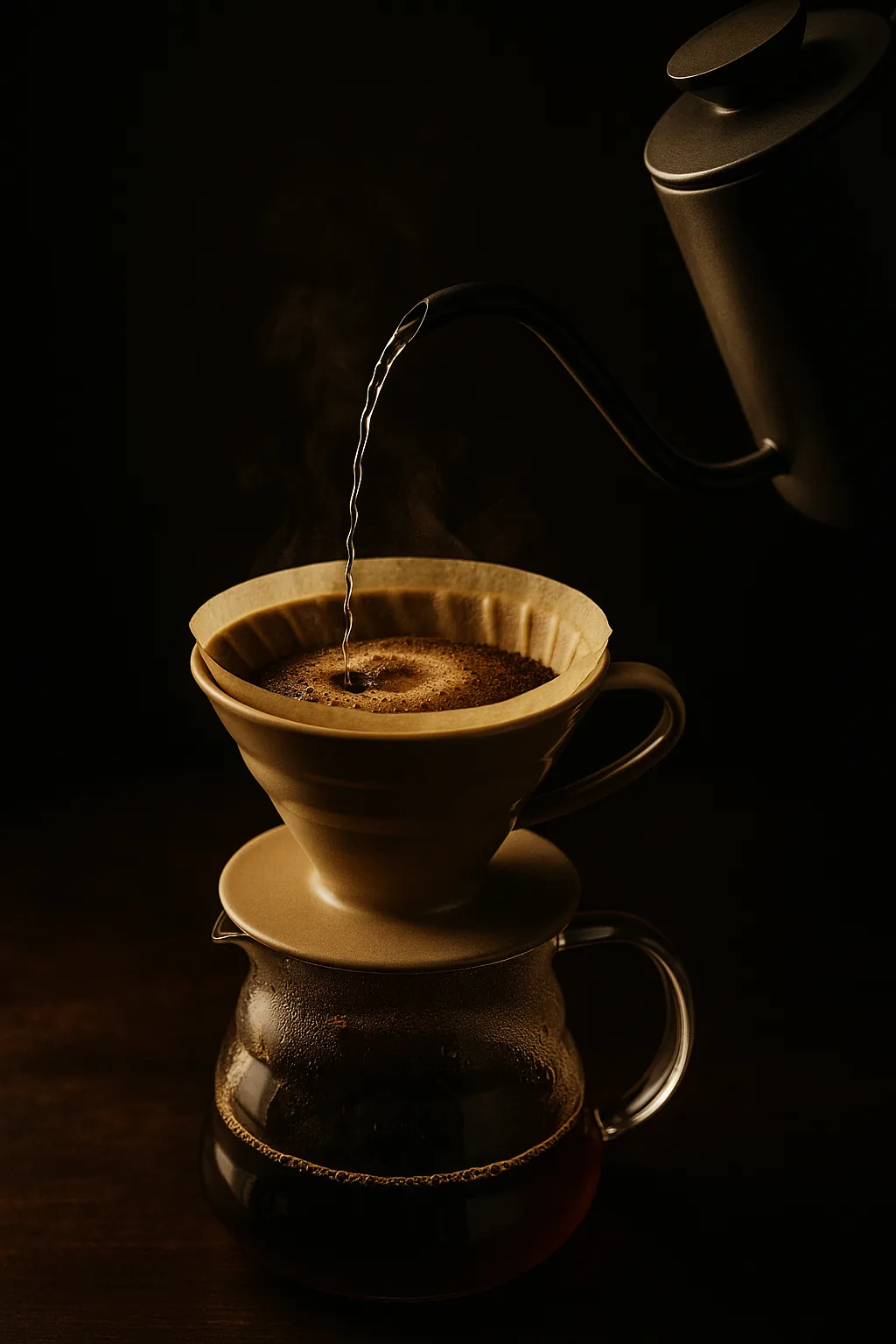
Pour-Over Coffee to Water Ratio and Grind Size: The Complete Guide
Three sourced guides converge on a 1:16 to 1:17 ratio for a V60 pour-over, with medium-fine grind, bloom timing, and a staged pour schedule explained.
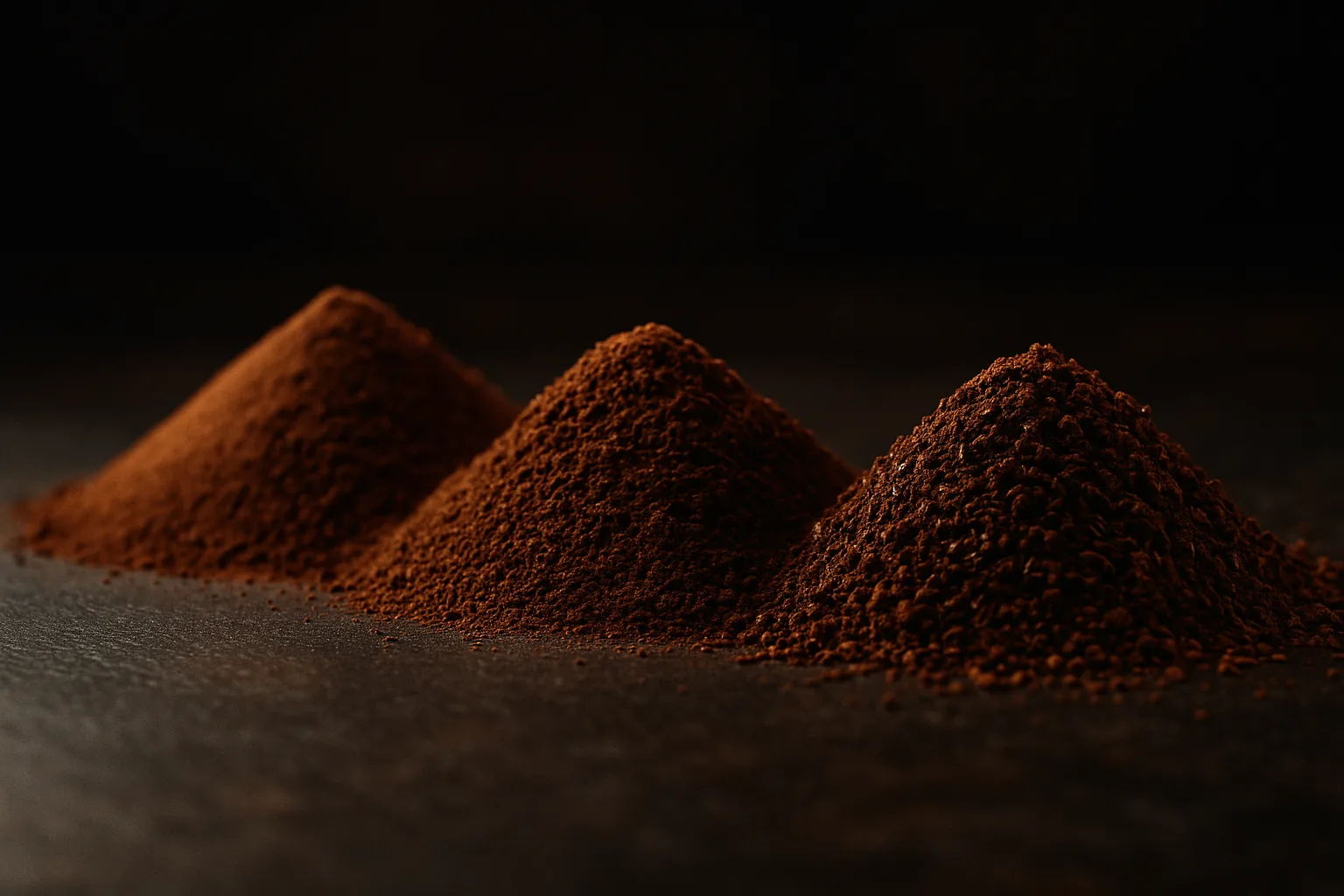
Cold Brew Coffee to Water Ratio and Grind Size: The Complete Guide
Three sourced guides converge on a 1:8 concentrate ratio for cold brew, with the coarse grind, dilution step, and steep time by temperature explained.
How Much Caffeine Is in a K-Cup? The Real Range, By Size
Two independent trackers agree: a standard K-Cup runs 75 to 125mg of caffeine. The cup-size button changes dilution, not the fixed dose in the pod.
How Much Caffeine Is in Dunkin' Coffee? Every Size, By the Numbers
Dunkin' publishes an approximate caffeine range, unlike some chains. Two trackers confirm the size-by-size numbers: 180mg small to 330mg extra-large hot coffee.
Moka Pot Coffee to Water Ratio and Grind Size: The Complete Guide
Two sourced guides reconcile to 1:7 to 1:8 by weight for moka pot, with gram doses by pot size, the right grind texture, and a full brewing routine.
How Much Caffeine Is in McDonald's Coffee? Every Size, By the Numbers
McDonald's has never officially published its coffee's caffeine content. Two independent trackers agree closely: 109mg small, 145mg medium, 180mg large.
How to Store Coffee Beans: The Right Container, and Why the Fridge Isn't It
Two sourced guides agree: opaque, airtight, and never the fridge. Here is the reconciled container setup, the valve question, and what actually degrades beans.
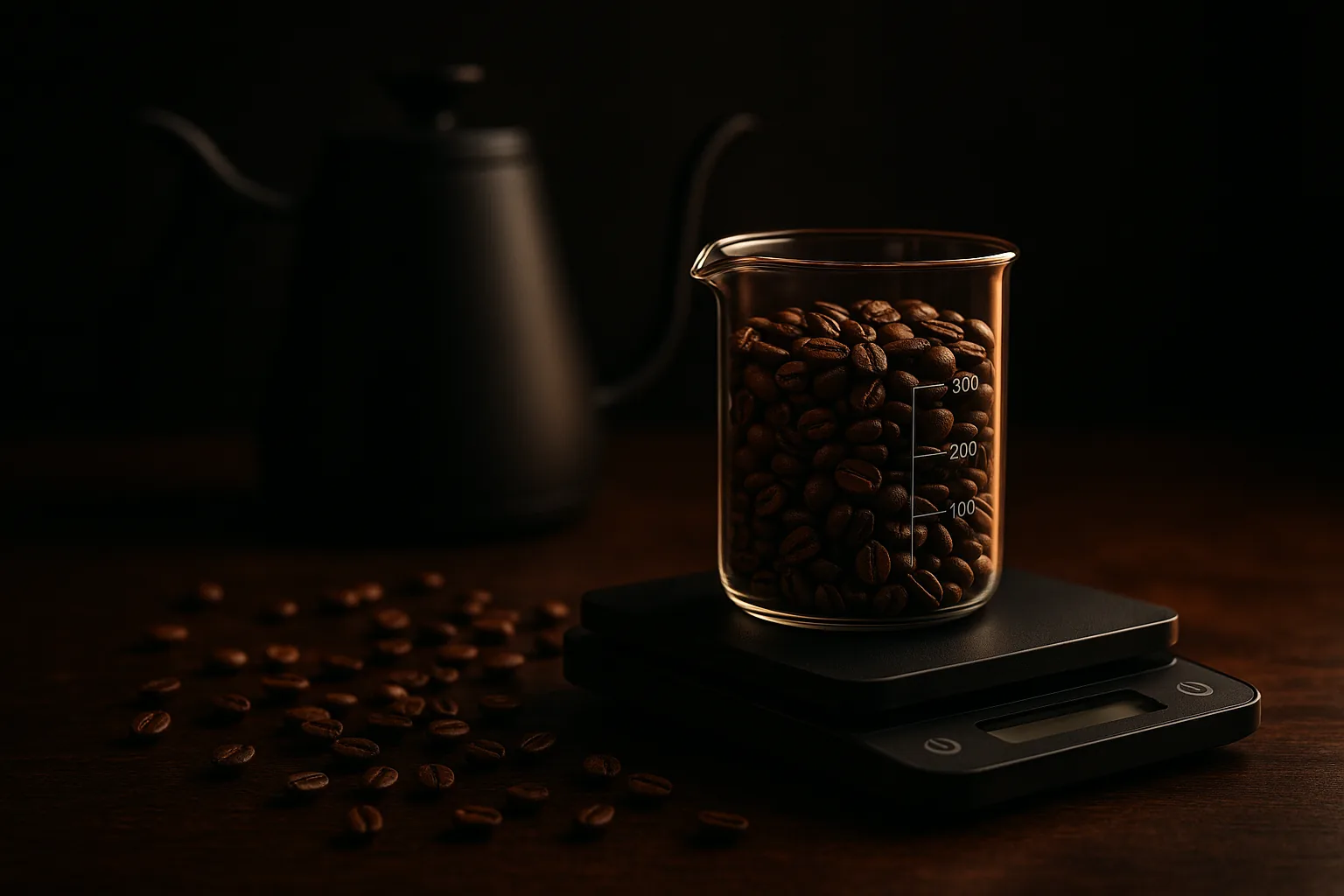
The Best Water Temperature for Coffee, and Why Roast Level Changes It
The specialty standard is 195 to 205F, but two sourced guides agree light and dark roasts need different ends of that range, and one shows the rule's limit.
Why Does My Coffee Taste Burnt? The Real Causes, Ranked
Burnt coffee usually means over-roasted beans or water above 205F, not bad technique. Two sourced guides show how to tell burnt from bitter, and fix it.
Chemex Coffee to Water Ratio and Grind Size: The Complete Guide
Chemex ratio lands at 1:16 across two sourced guides, with a medium-coarse grind built around its thick filter. Here is the math and full brew steps.
Why Does My Coffee Taste Sour? The Real Causes, Ranked
Sour coffee is almost always under-extraction. Three sourced guides agree on the top fixes, but disagree on how much water temperature actually matters.
Instant Coffee Caffeine Content: How It Really Compares to Brewed
Instant coffee runs 30 to 150mg of caffeine per cup against brewed coffee's 80 to 100mg. Two sourced guides explain why the range is so wide.
Espresso Shot Too Fast or Too Slow? The Real Causes, Ranked
Espresso windows run from about 28 to 36 seconds depending on the guide. Two sourced guides agree dose and grind are the top causes of a fast or slow shot.
Does Coffee Expire? The Real Shelf Life Timeline for Beans and Ground
Coffee does not expire like milk, it goes stale. Three sourced guides put whole bean shelf life anywhere from 1 to 9 months. Here is what each one measures.
Starbucks Brewed Coffee Caffeine: Pike Place, Blonde, and Dark Roast by Size
Blonde Roast beats Dark Roast on caffeine at every Starbucks size, up to 475mg at Venti. Two sourced guides agree closely. Here is the full size-by-roast table.
Nespresso Caffeine Content: OriginalLine vs VertuoLine, Every Pod Ranked
Nespresso pods run from 1.7mg decaf to 200mg for Melozio Boost. Two sourced rankings mostly agree, except on Kazaar and Vertuo decaf. Full breakdown.
Drip Coffee Ratio: How Much Coffee Per Cup, Actually
Drip coffee ratio runs 1:15 to 1:18 across two sourced guides, and a machine's cup marking is rarely a true 8 ounces. Here is the real gram math.
Siphon Coffee Ratio and Grind Size: The Complete Guide
Siphon coffee ratio runs 16:1 by one sourced guide and 1:13 by another. Here is the reconciled range, the vacuum-brew method, and the grind it needs.
Why Is My Espresso Crema Thin or Missing? The Real Causes, Ranked
Thin or missing espresso crema traces to a short list of causes. Two independently sourced troubleshooting guides agree on stale beans, grind, and pressure.
Kalita Wave Coffee to Water Ratio and Grind Size: The Complete Guide
Kalita Wave ratio lands at 1:16 across two sourced guides, with a medium to medium-fine grind. Here is the flat-bed design, the math, and the brew steps.
Turkish Coffee Ratio and Grind Size: The Complete Guide
Turkish coffee ratio runs 1:8 to 1:12 depending on strength, with a grind finer than espresso. Here is the gram breakdown, the cezve method, and why it works.
Espresso Channeling: What It Is and How to Fix It
Channeling explains why an espresso shot can taste sour and bitter at once. Here is what causes it, how to spot it, and the puck prep fix that actually works.
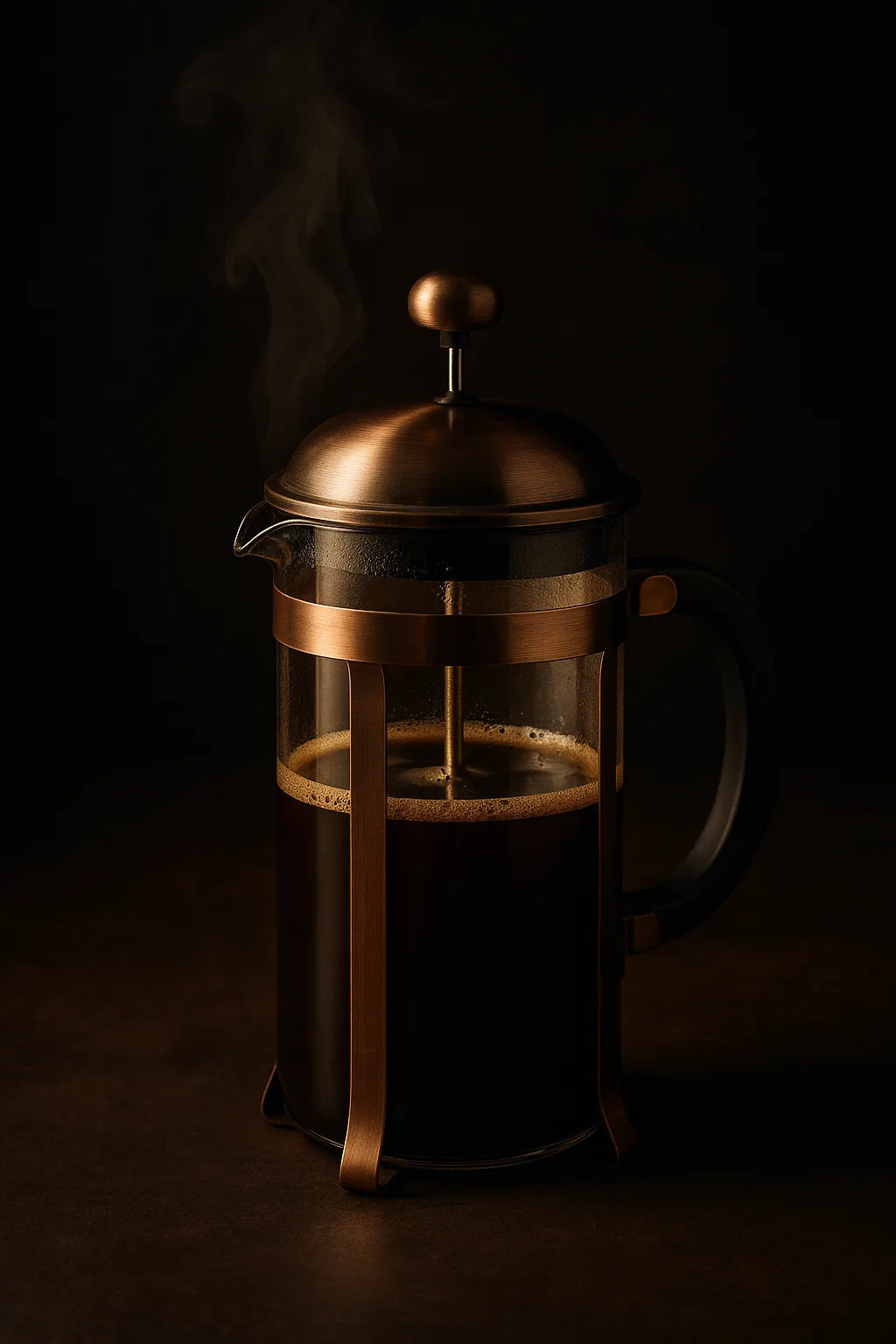
French Press Coffee to Water Ratio: The Complete Guide by Strength and Batch Size
The real french press ratio range, 1:12 to 1:17, gram amounts for every press size, and James Hoffmann's full recipe timed out step by step.
How Much Caffeine Is Really in Death Wish Coffee? The 472mg vs 728mg Split, Reconciled
Death Wish Coffee gets quoted at both 472mg and 728mg of caffeine a cup. We pulled the actual lab numbers and found out whether they really disagree.
Coffee Consumption by Country: Why the Rankings Never Agree
Finland tops one coffee-by-country ranking and Luxembourg tops another, both citing the same trade data. We pulled the real sources to explain why.
Why Does My Coffee Taste Watery or Weak? The Real Causes, Ranked
Coffee tasting thin, watery, or weak despite a careful brew? We rank the real causes, dose, grind, temperature, and dilution, each with a fix.
The Coffee to Water Ratio Chart, and Why the Golden Ratio Is a Range
Gram amounts for every brew method and batch size, what the SCA's Golden Cup standard actually specifies, and why ratio alone cannot fix a bad cup.
Coffee Grind Size Chart by Brew Method: The Complete Micron Reference
Every brew method's grind size in microns, with a texture test you can feel, typical brew time, and why the numbers never transfer between grinders.
Can You Freeze Coffee Beans? What the Research Actually Shows
The 'never freeze coffee' rule turns out to be mostly wrong. A Scientific Reports grinding study and freshness research show what freezing really does.
AeroPress Coffee to Water Ratio and Grind Size: A Complete Guide
AeroPress ratios run from 1:4 concentrate to 1:18 full immersion. Here's the grind, water temperature and steep time for each mode, plus a fix it table.
How Much Caffeine Is Really in a Shot of Espresso?
The 63mg-per-shot figure everyone quotes traces to one USDA entry. Cafe-measured shots range far wider, and most cafes actually pour a double.
The Origin Atlas: How Where Coffee Grows Changes What You Taste
A working guide to coffee origins, Ethiopia, Kenya, Colombia, Brazil, Central America, Sumatra, plus the variety, altitude, and processing that shape each cup.
Coffee Roast Levels, Decoded: What Light, Medium and Dark Actually Mean
What happens during roasting, what light, medium and dark do to flavor and body, the caffeine myth debunked, and how roast should guide your brew method.
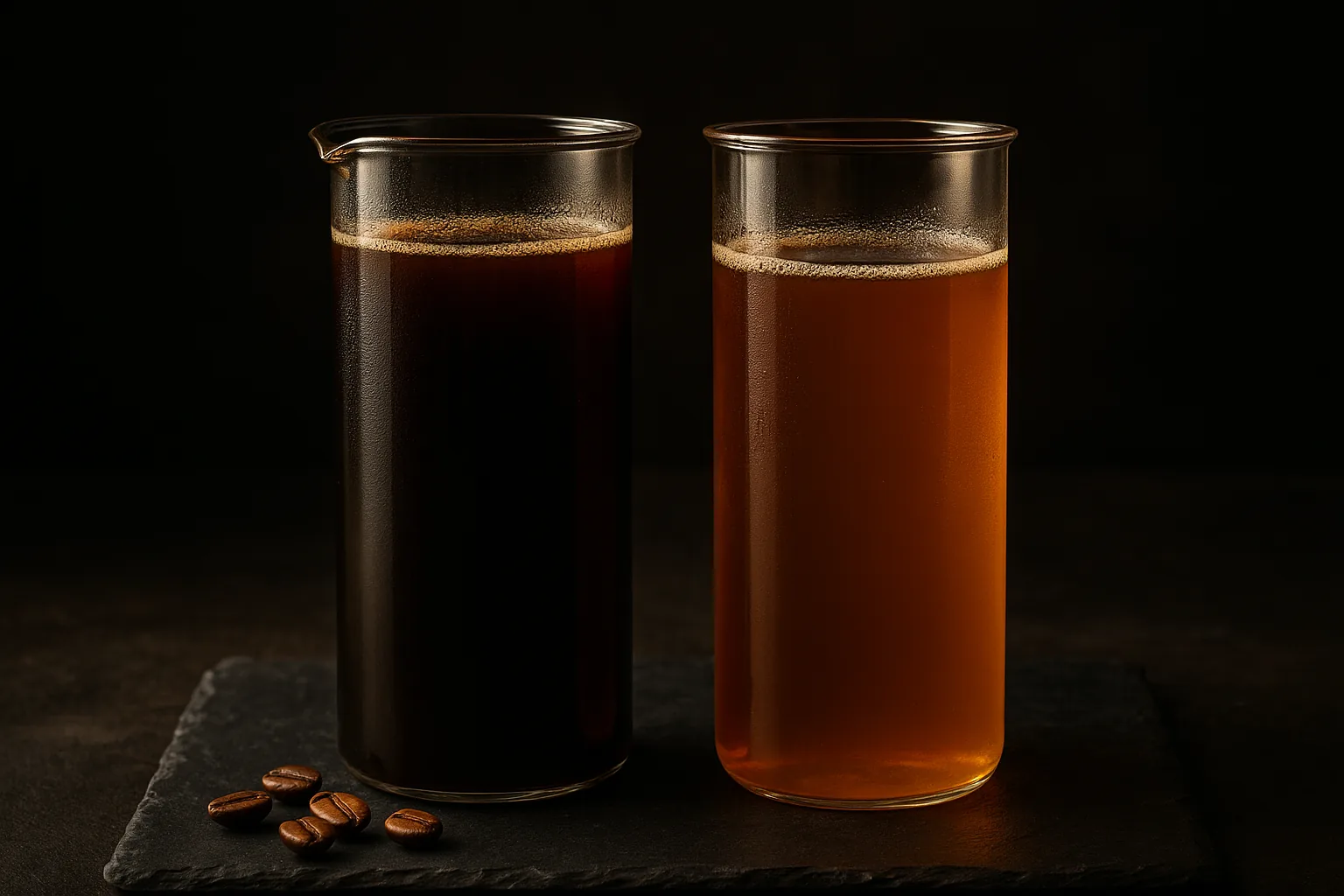
How Much Caffeine Is Really in Cold Brew? Reconciling the Wild Disagreement
Brand labels, a real lab study, and coffee blogs all quote wildly different cold brew caffeine numbers. We pulled the actual sources and reconciled them.
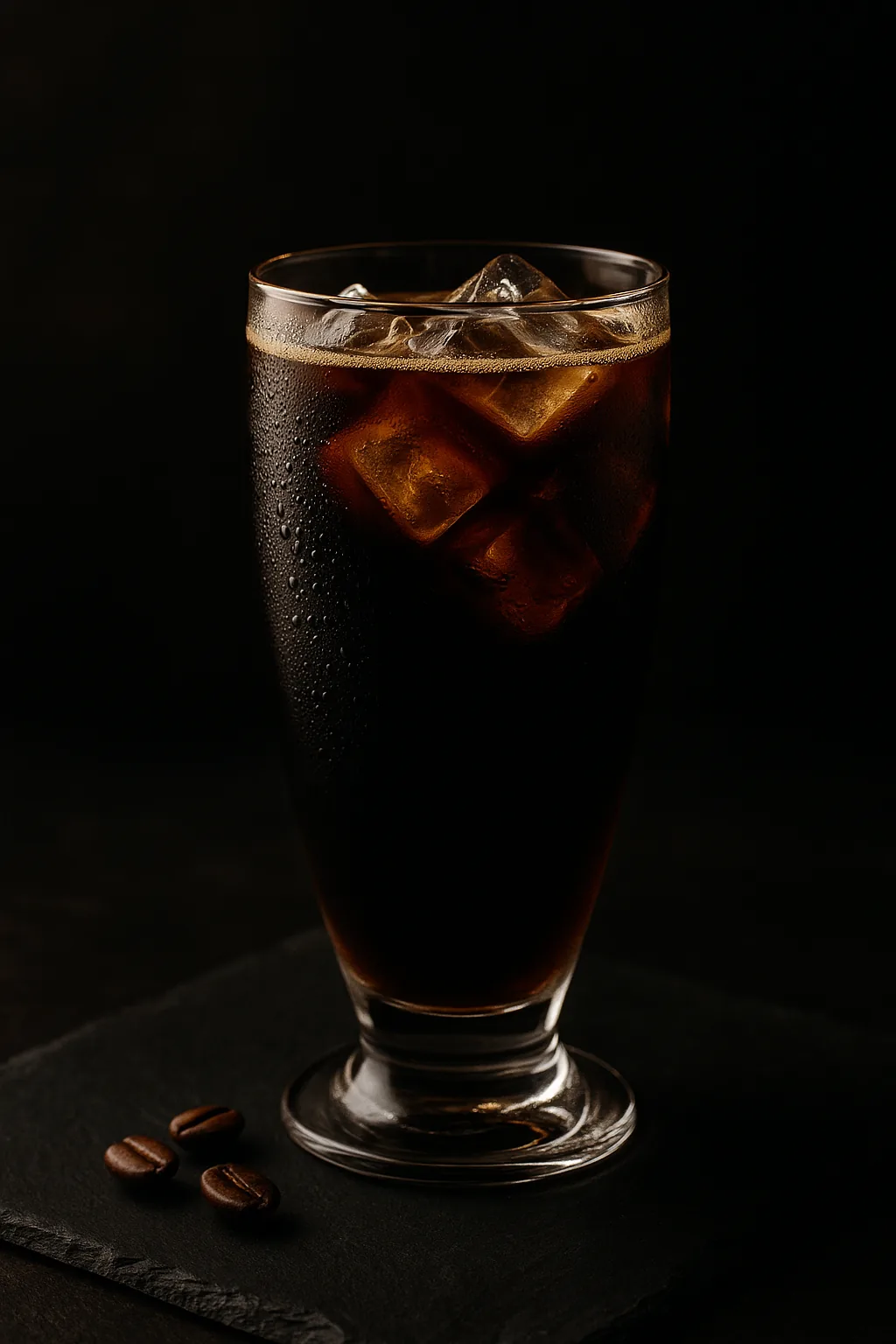
Why Does My Cold Brew Taste Woody, Bitter, or Sour? Five Real Causes
Cold brew coming out woody, harshly bitter, or oddly sour despite following a recipe? We walk through steep time, grind, ratio, beans, and vessel, with fixes.
Why Your French Press Coffee Is Muddy, and How to Fix It
The physics behind muddy, sludgy french press coffee, the exact fixes for grind, stirring and plunging, and James Hoffmann's no-plunge method explained.
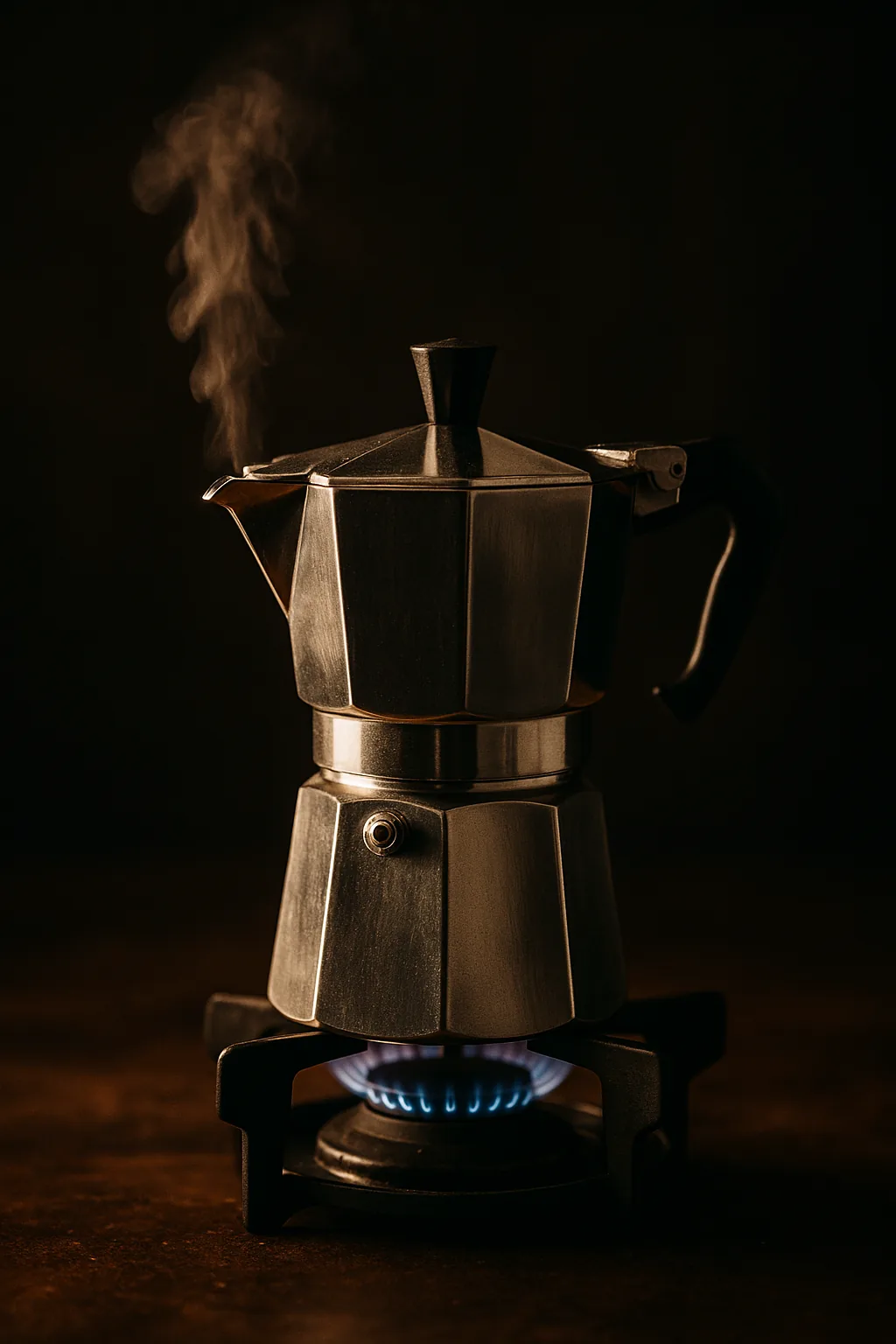
Why Your Moka Pot Coffee Tastes Bitter (and How to Actually Fix It)
Moka pot coffee running bitter? Here's the physics behind it, five real causes ranked by impact, and a minute-by-minute heat curve to fix it tonight.
Why Your Pour-Over Stalls: Every Cause of Slow V60 Drainage, Fixed
Water pooling on your V60 and refusing to drop? We break down all five real causes of a stalled pour-over, from grind size to water chemistry, with fixes.
Trade Coffee vs Bean Box: What We Found Researching Both Subscriptions
A research-based comparison of Trade Coffee and Bean Box on pricing, matching, roasters, freshness and reviews, ahead of our hands-on long-term test.
Why Is My Coffee Bitter? The Real Causes, Ranked
The real, ranked causes of bitter coffee: grind size, water heat, brew time, dose, dirty gear, roast level and water chemistry, with a fix for each.