The Coffee Atlas
Coffee,mappedto itssources.
Every origin, varietal, and processing method, charted from cupping scores, altitude data, and published research. Every claim cited. Every page checked before you read it.
every gold point is a coffee origin
Now charted
Begin with the benchmarks.
Three entries every coffee conversation eventually reaches. New origins, varietals, and processes join the atlas every morning.
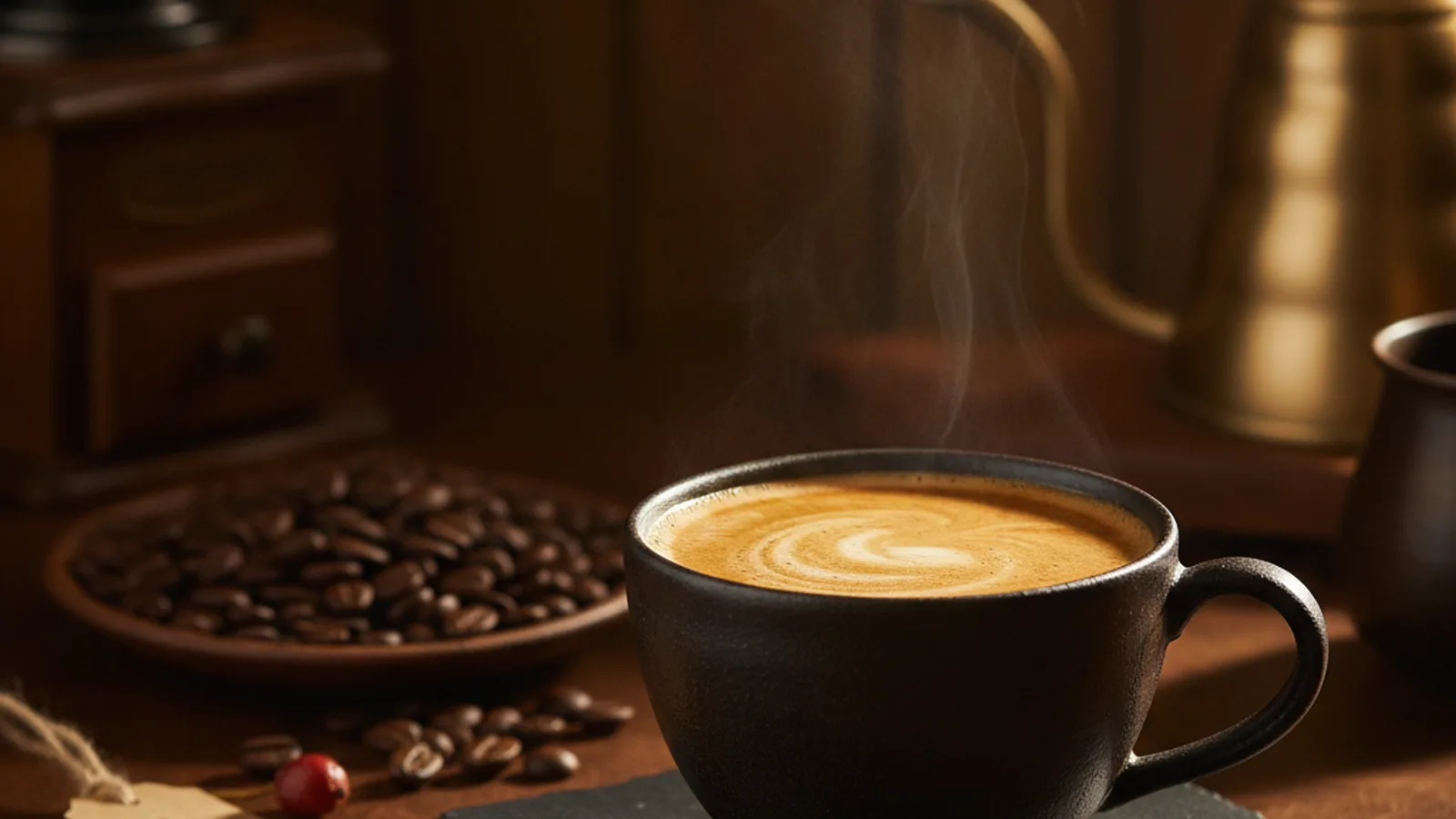
Costa Rica Tres Rios
Costa Rica Tres Rios, the small volcanic-soil district near San Jose known as the Bordeaux of Costa Rica, with a sourced flavor profile and real citations.
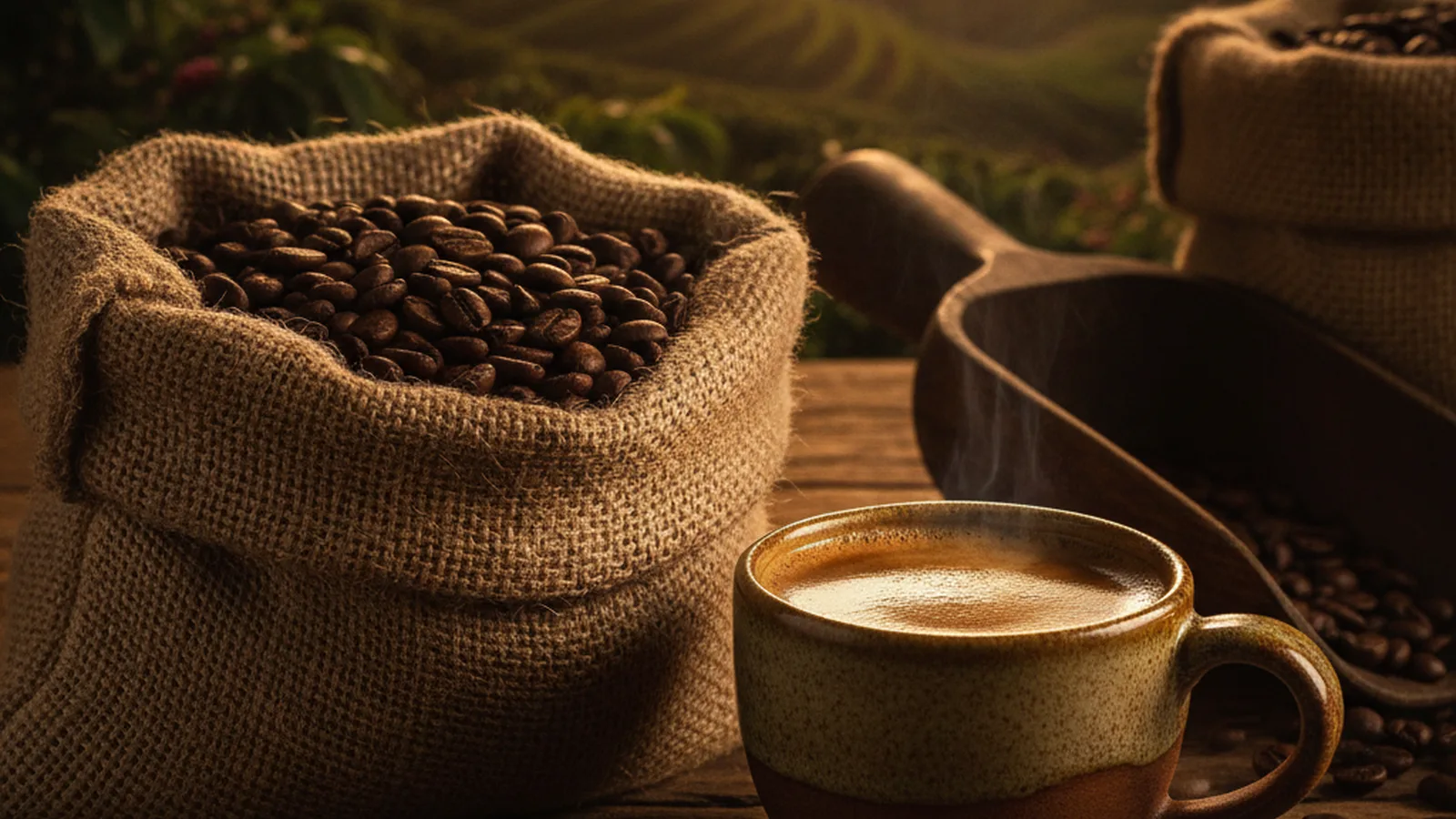
Guatemala Acatenango
Guatemala Acatenango grows on the volcano next to Antigua, where a 395-producer cooperative's everyday crop and prized microlots cup ten points apart.
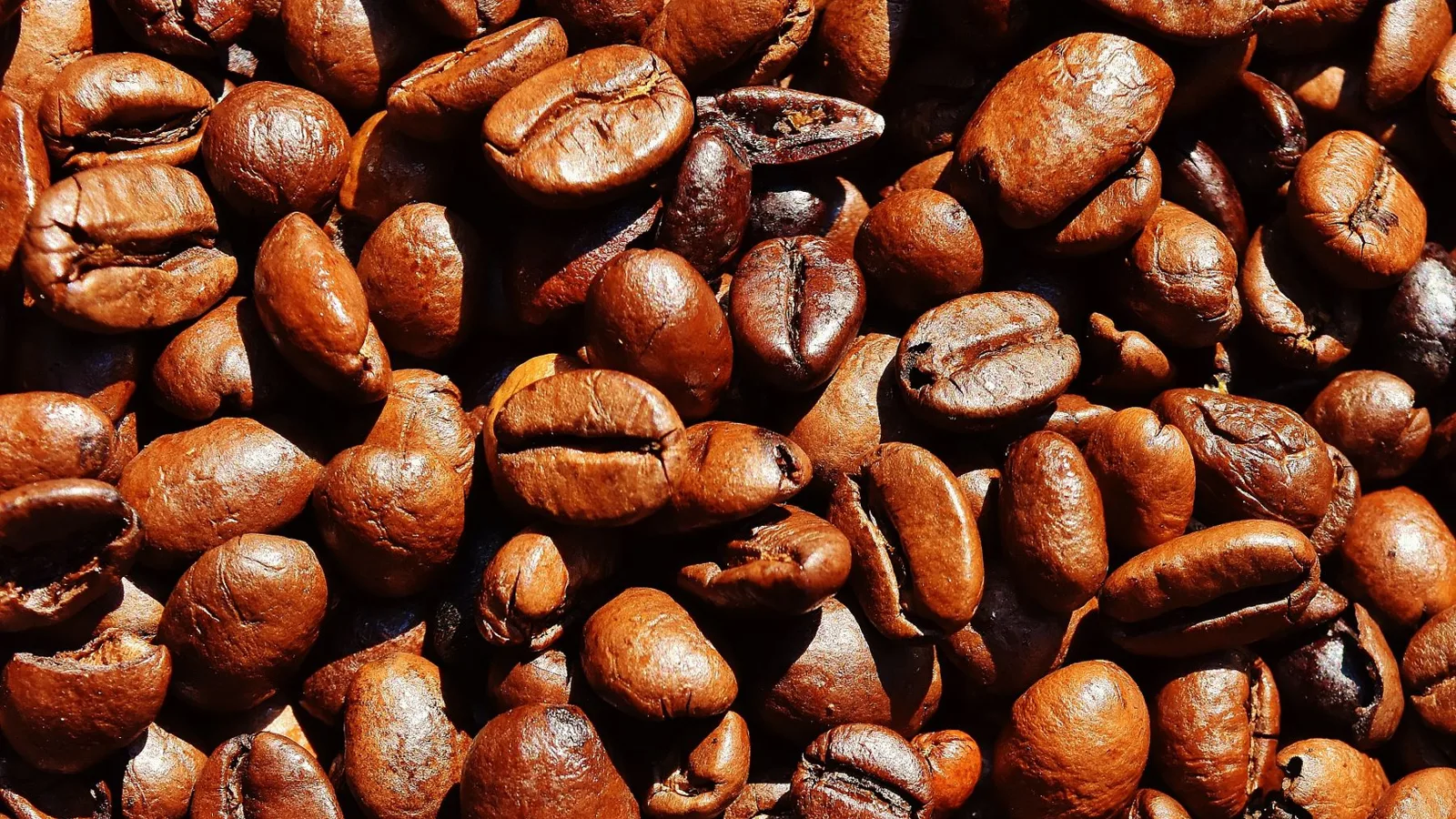
Nicaragua Matagalpa
Matagalpa is Nicaragua's historic coffee heartland, German-settled in the 1880s, with real altitude data and sourced Coffee Review cupping scores.
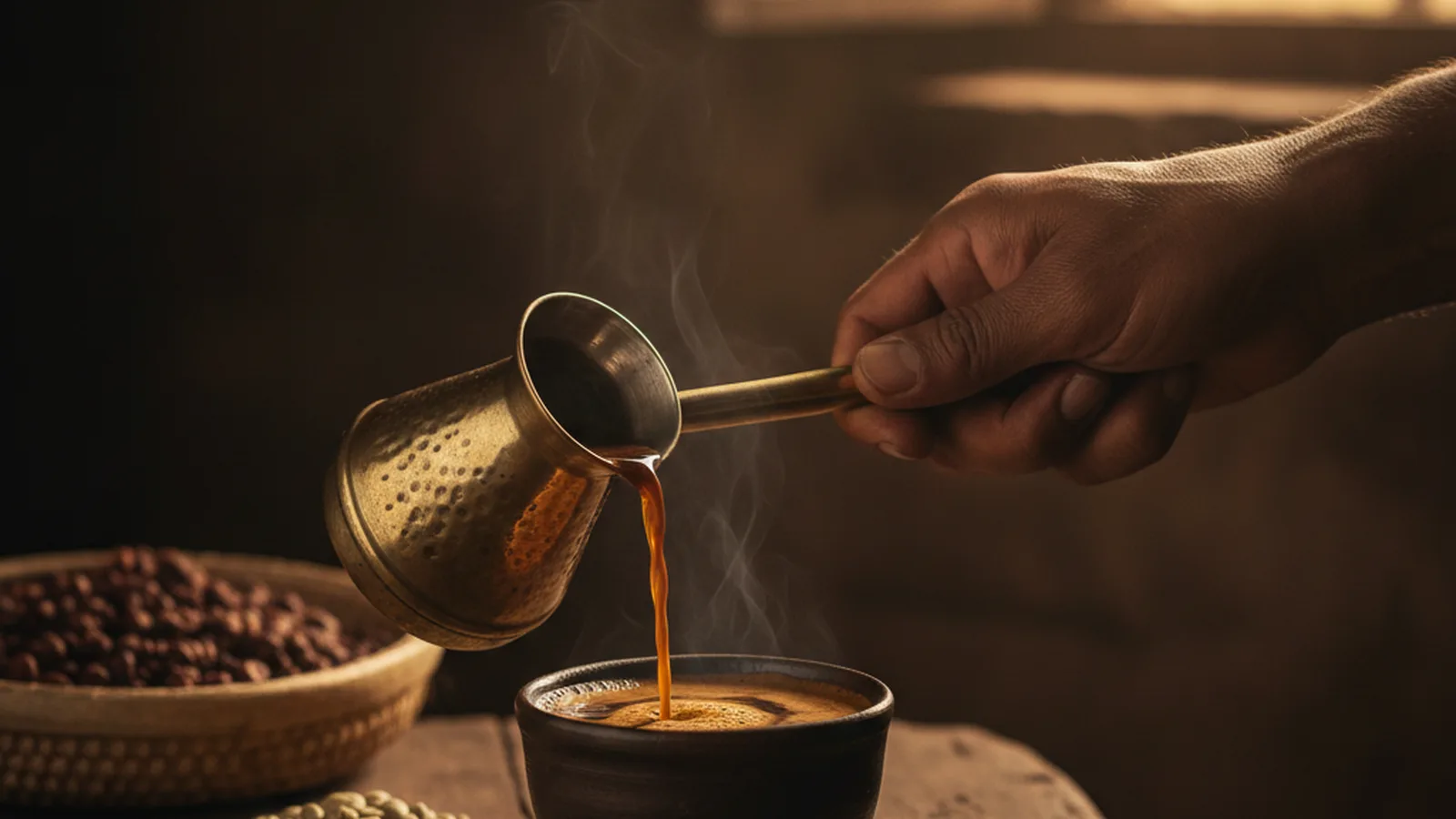
Ethiopia Sidamo
Ethiopia Sidamo, the broad origin Yirgacheffe and Guji were carved out of, still one of the ECX's most diverse cups, with a sourced flavor profile.
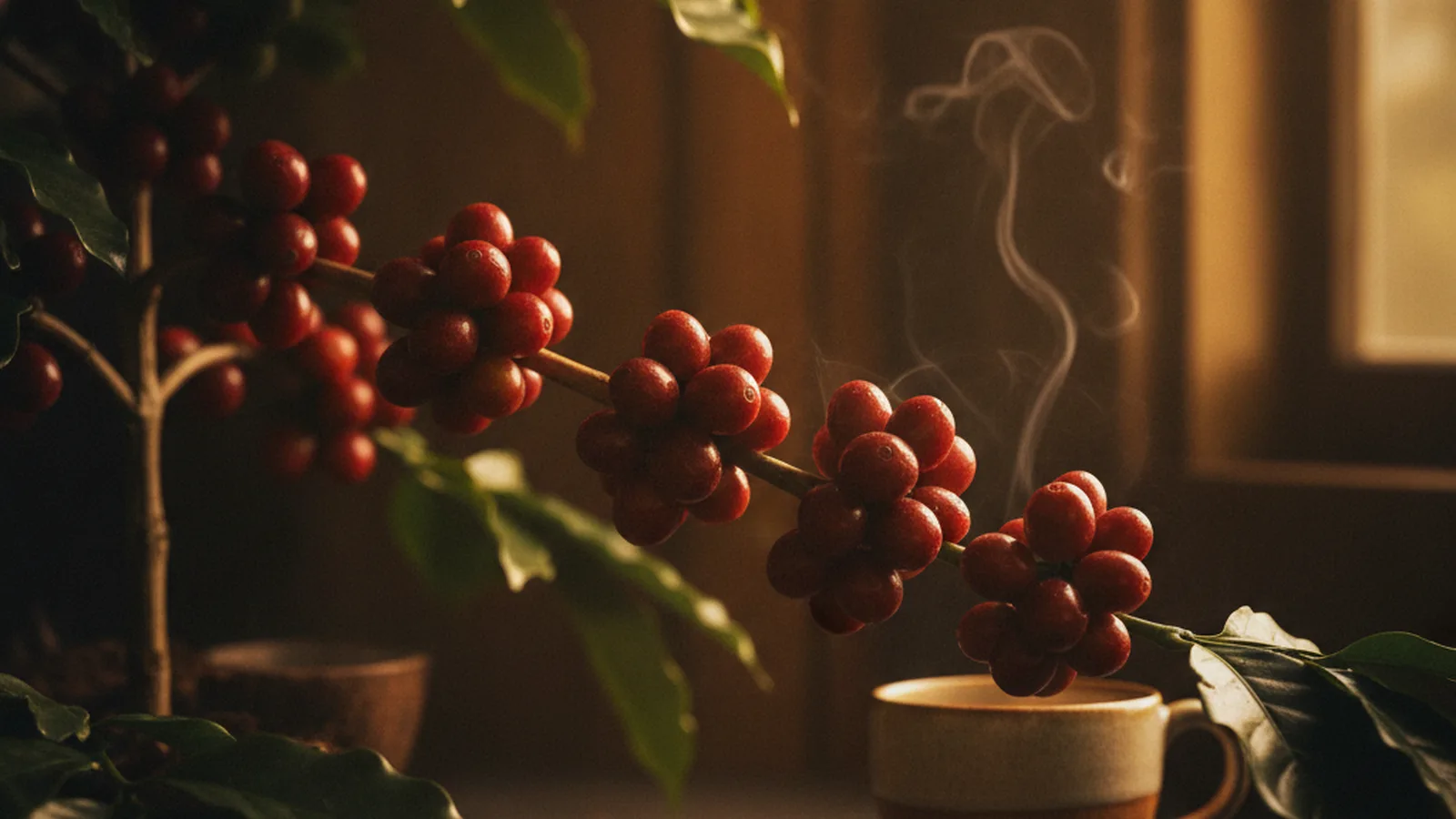
Maracaturra Coffee
Maracaturra crosses Maragogype giant bean with Caturra high yield: a Nicaragua bred hybrid with real Coffee Review scores and honest historical sourcing.
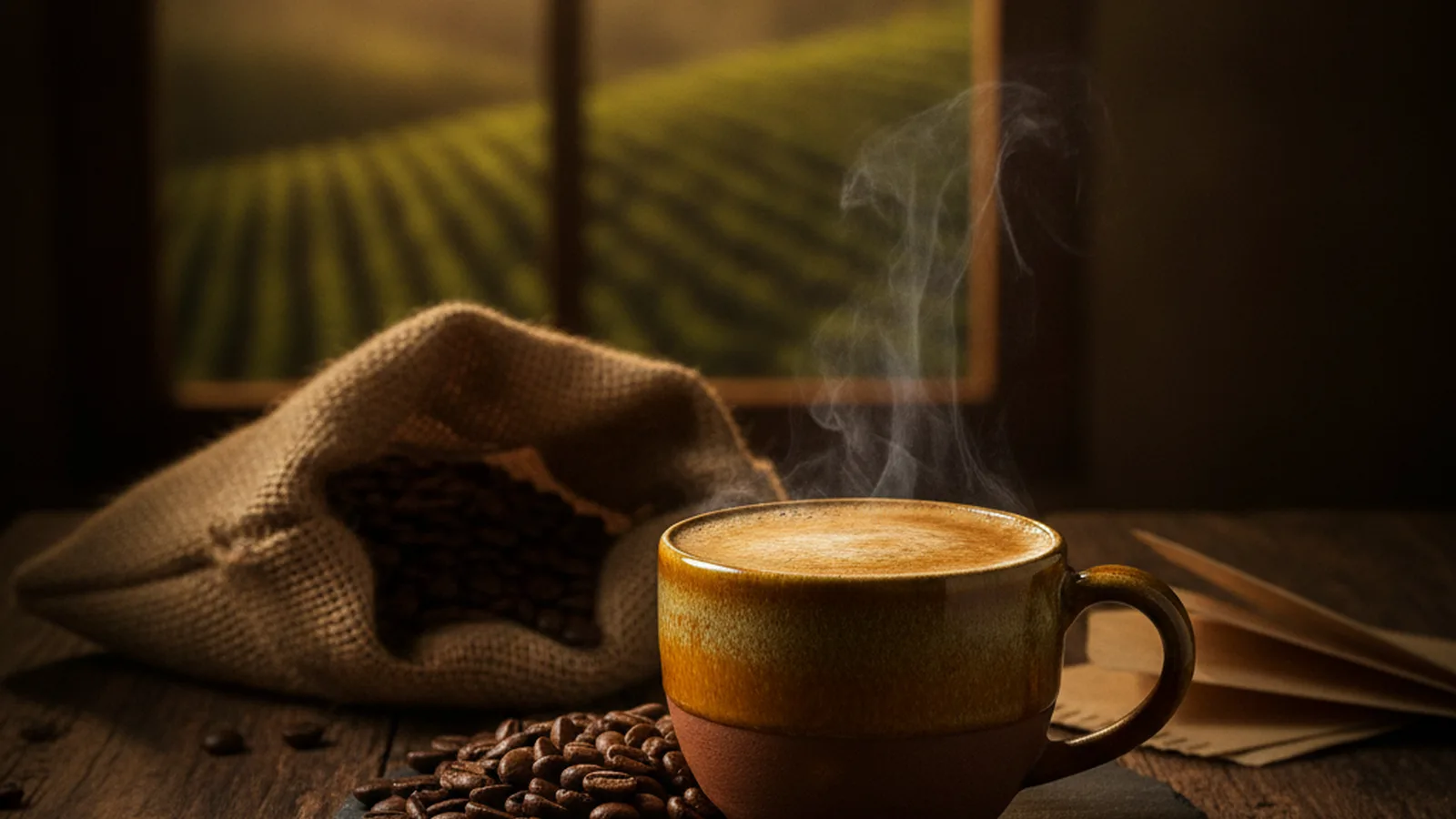
Brazil Mogiana
Brazil Mogiana, one of the country's oldest coffee valleys, prized for low-acid, chocolate-and-nut natural lots, with sourced cupping scores and citations.
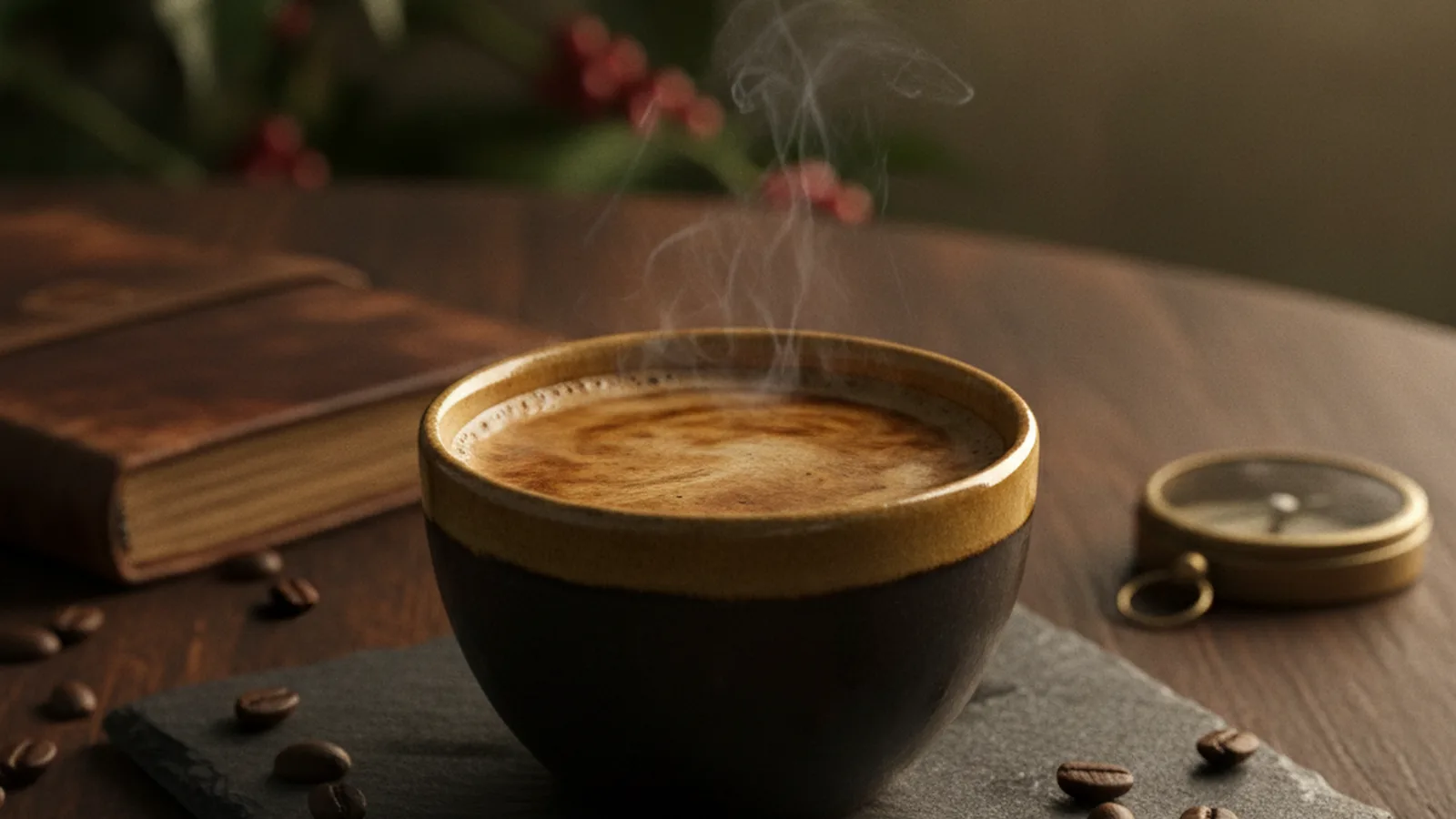
Colombia Santa Marta
Colombia Santa Marta grows on the world's highest coastal range, farmed by indigenous growers under a 2017 Denomination of Origin, with sourced data.
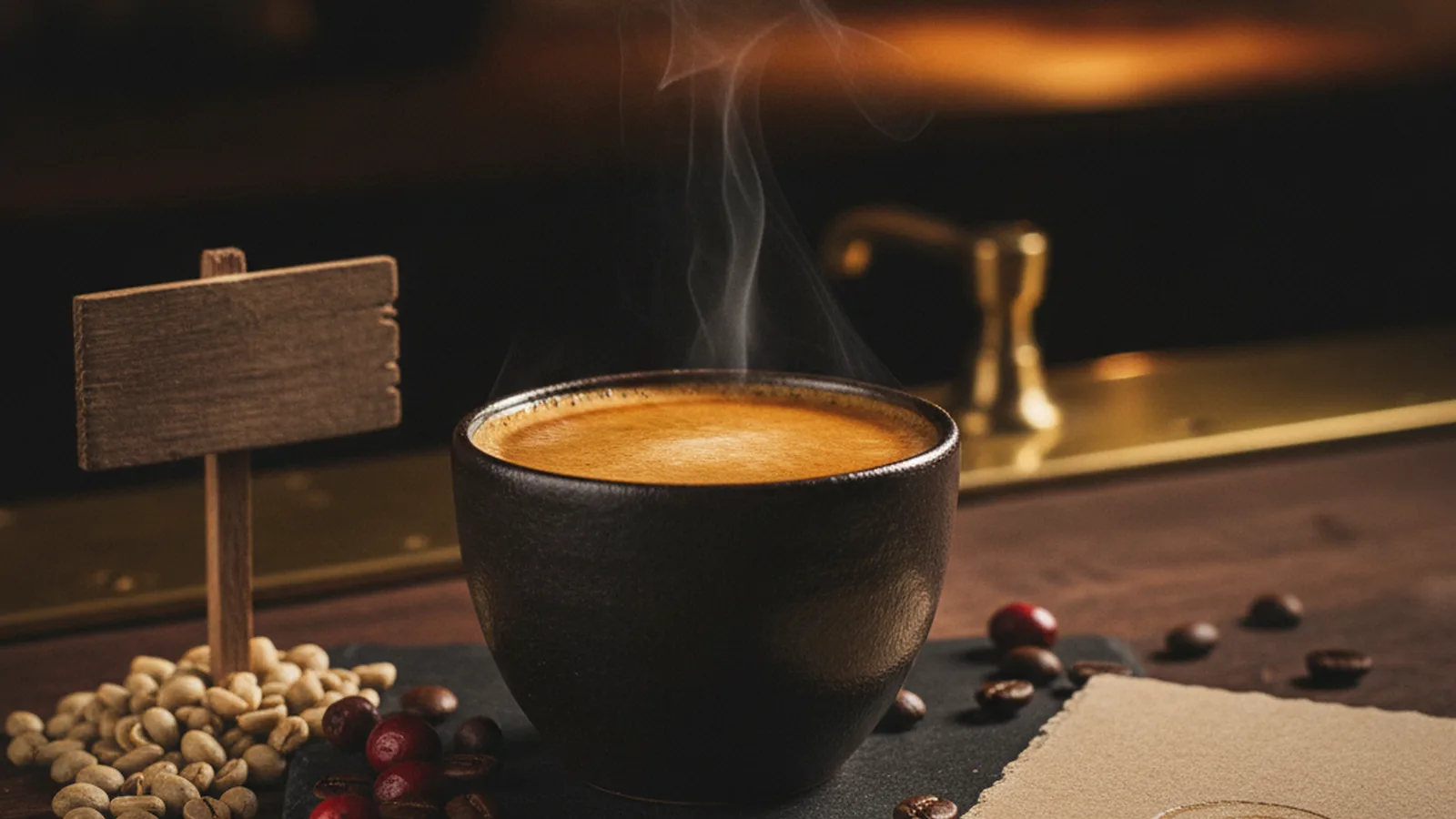
Puerto Rico Yauco Selecto
Puerto Rico Yauco Selecto, the island's historic AA grade coffee brand rebuilding after Hurricane Maria, with a sourced flavor profile and real citations.
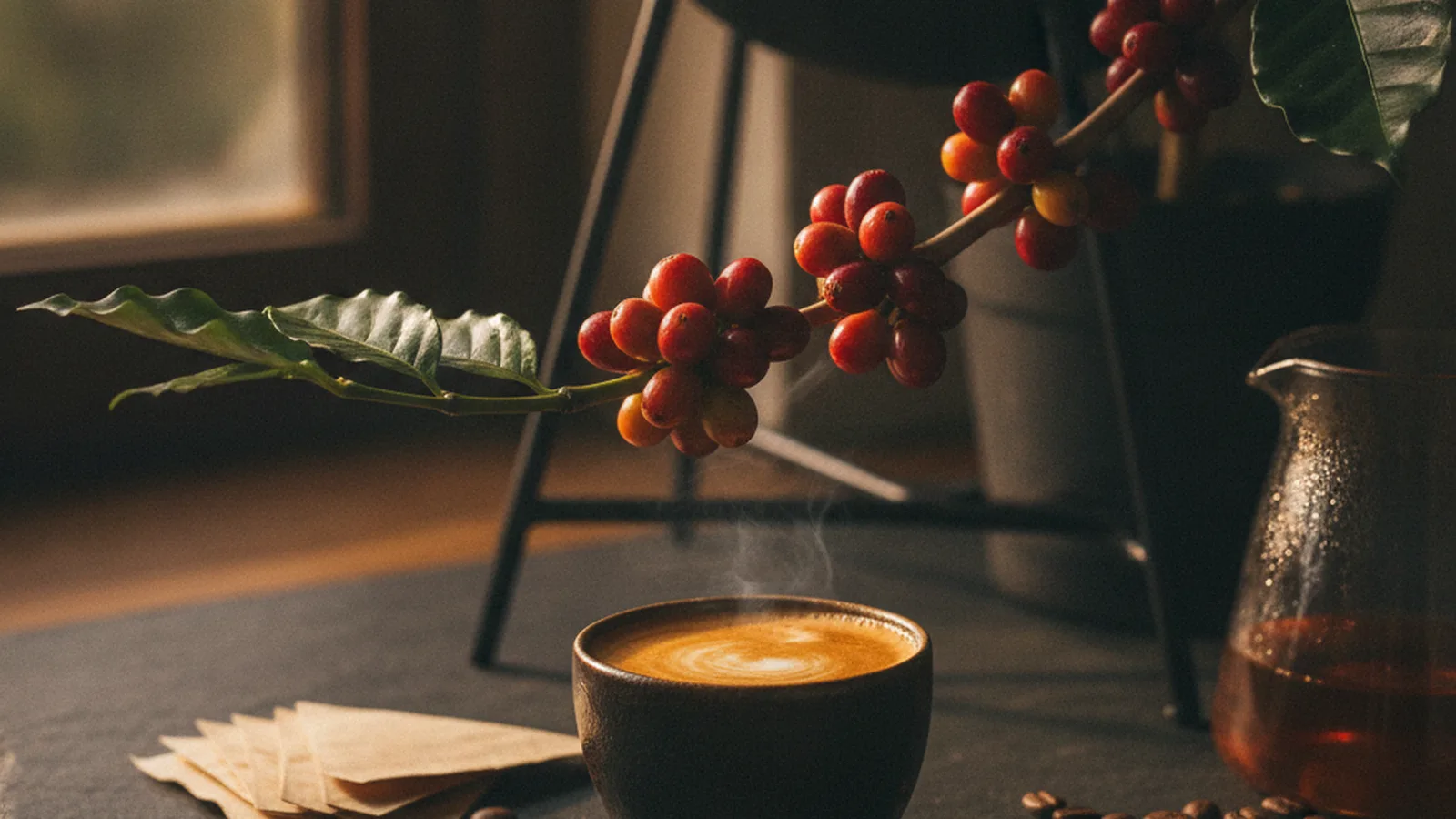
Villa Sarchi Coffee
Villa Sarchi, the compact Bourbon mutation from Costa Rica's West Valley that became the rust-resistant Sarchimor line's parent, with sourced cupping scores.
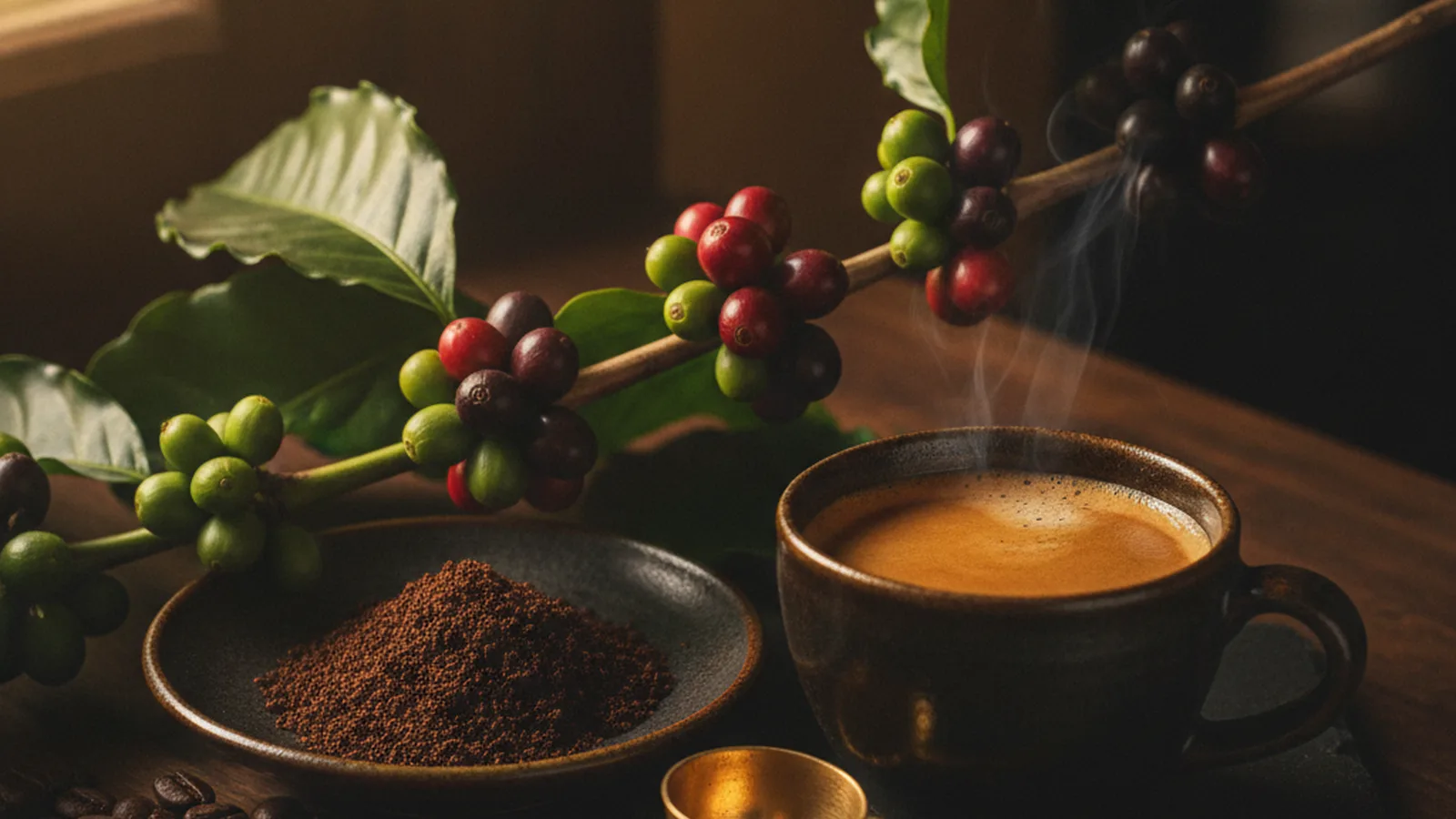
Castillo Coffee Variety
Castillo is Cenicafe's 2005 rust-resistant Caturra x Timor Hybrid release covering most of Colombia: the breeding story and the real Caturra quality debate.
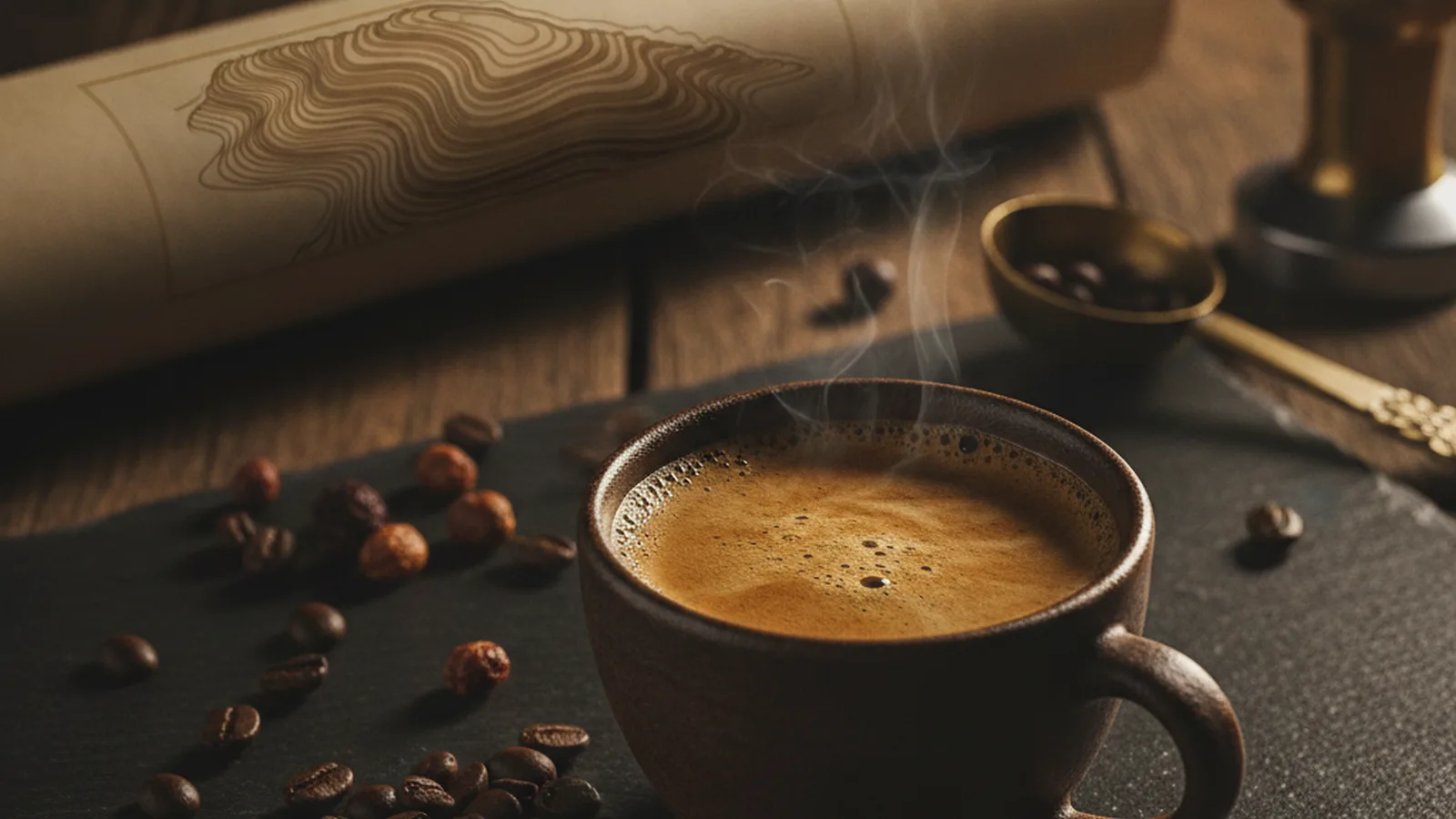
Guatemala Huehuetenango
Guatemala Huehuetenango, the country's highest non-volcanic origin: brighter, fruit-forward, with a sourced altitude range and real cupping citations.
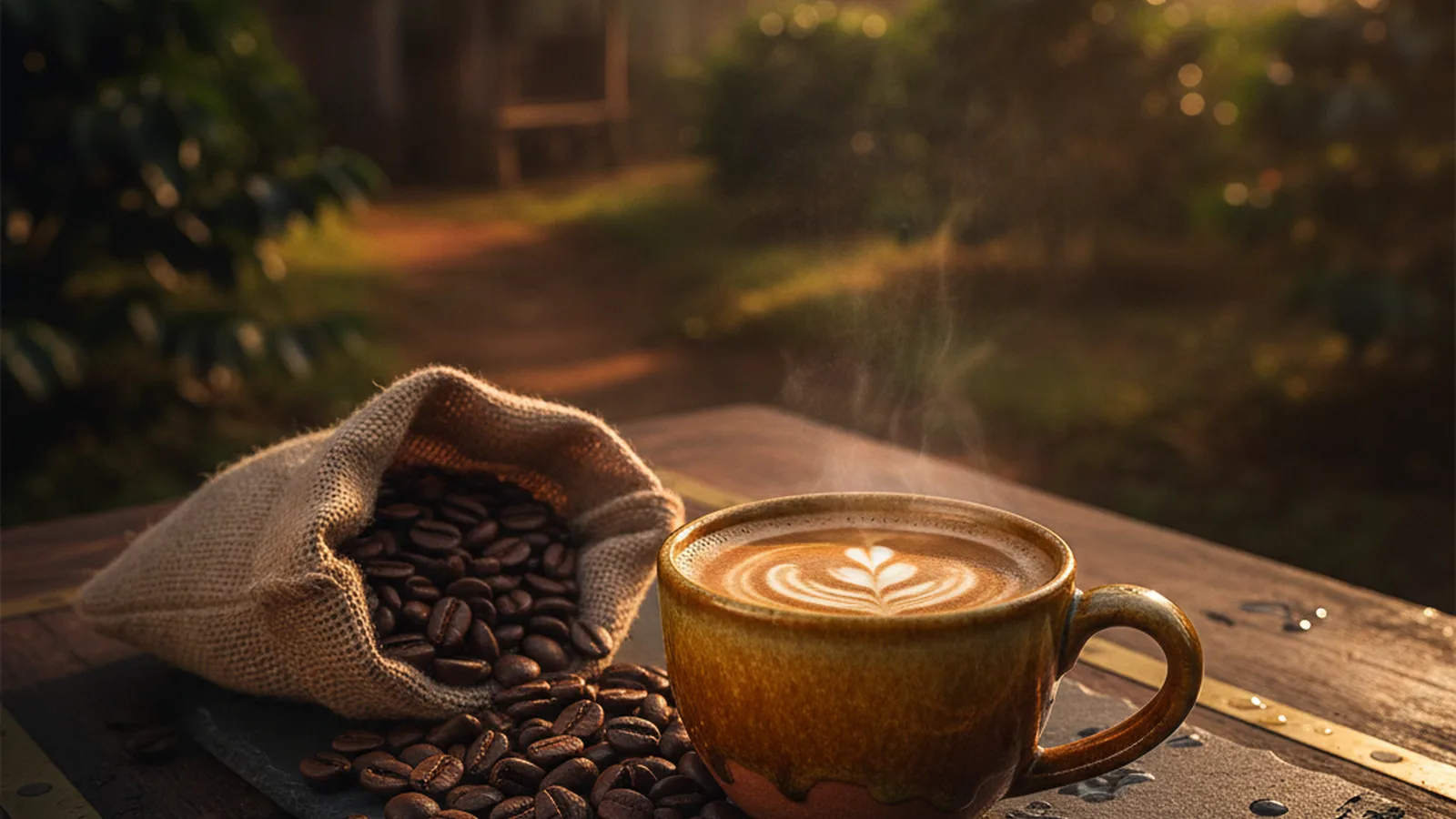
Cuba Sierra Maestra
Cuba Sierra Maestra coffee grows behind a UNESCO-listed plantation ruin and a six-decade US embargo, with a sourced flavor profile and real citations.
Costa Rica West Valley
Costa Rica's West Valley, the volcanic-soil coop belt that produced the Villa Sarchi variety, with a sourced flavor profile, altitude data, and citations.
Brazil Sul de Minas
Sul de Minas grows roughly 30% of Brazil's coffee across a 750-1,350 m altitude band, with sourced cupping scores, altitude data, and citations.
Colombia Cauca
Colombia Cauca pairs a 2011 Denomination of Origin washed baseline with the experimental fermentation lots reshaping specialty coffee, sourced and cited.
Kenya Kirinyaga
Kenya Kirinyaga sits beside Nyeri on Mount Kenya's slopes, but 14 cooperatives and 74 wet mills mean the name covers far more than one flavor.
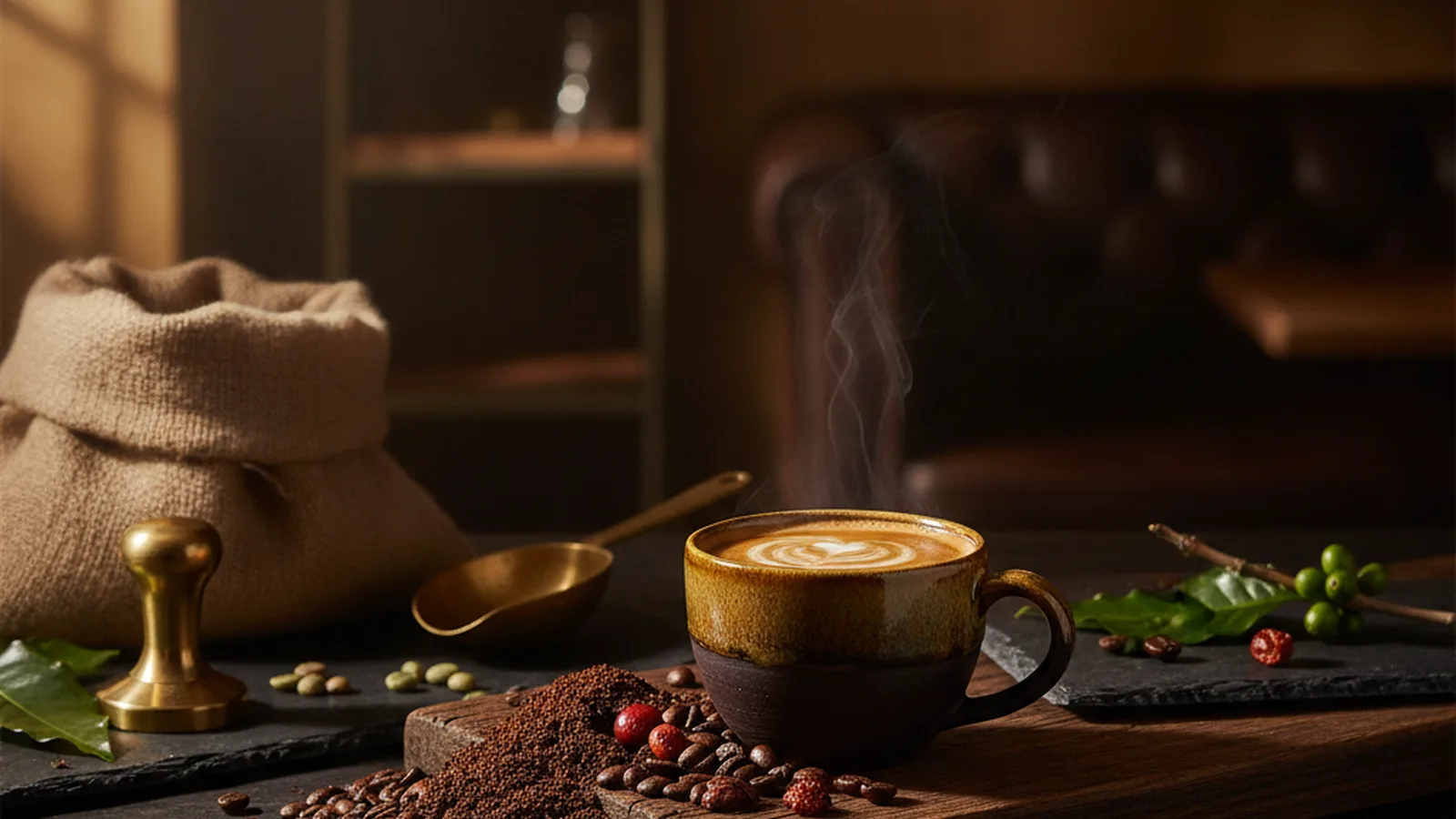
Ethiopia Harrar
Ethiopia Harrar, the ancient dry-processed origin behind coffee's wine and blueberry flavor, with a sourced flavor profile and real citations.
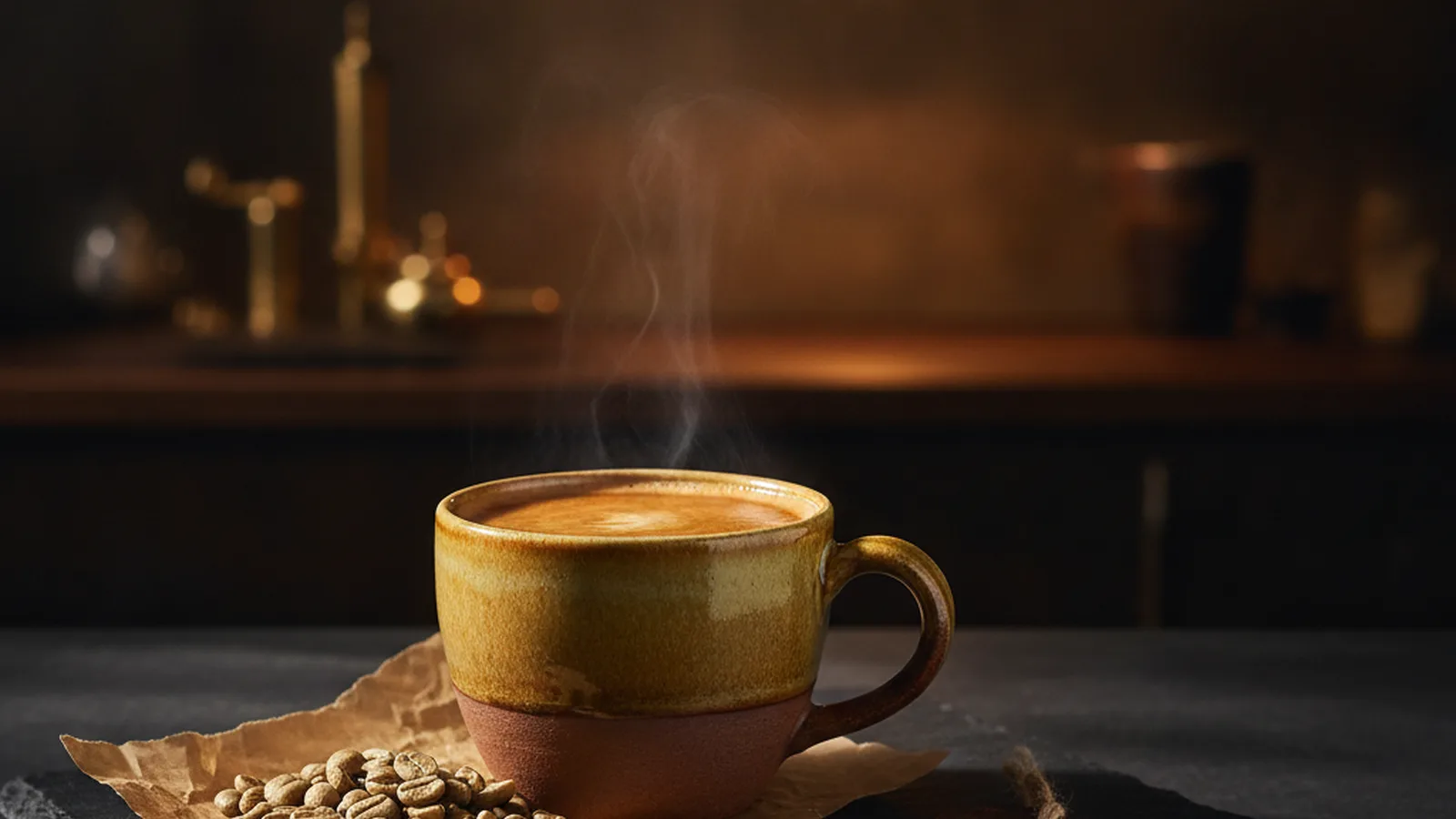
Kenya Nyeri
Kenya Nyeri is the actual county behind many top Kenya AA lots: real altitude, soil, and variety data, not just the size grade printed on the bag.
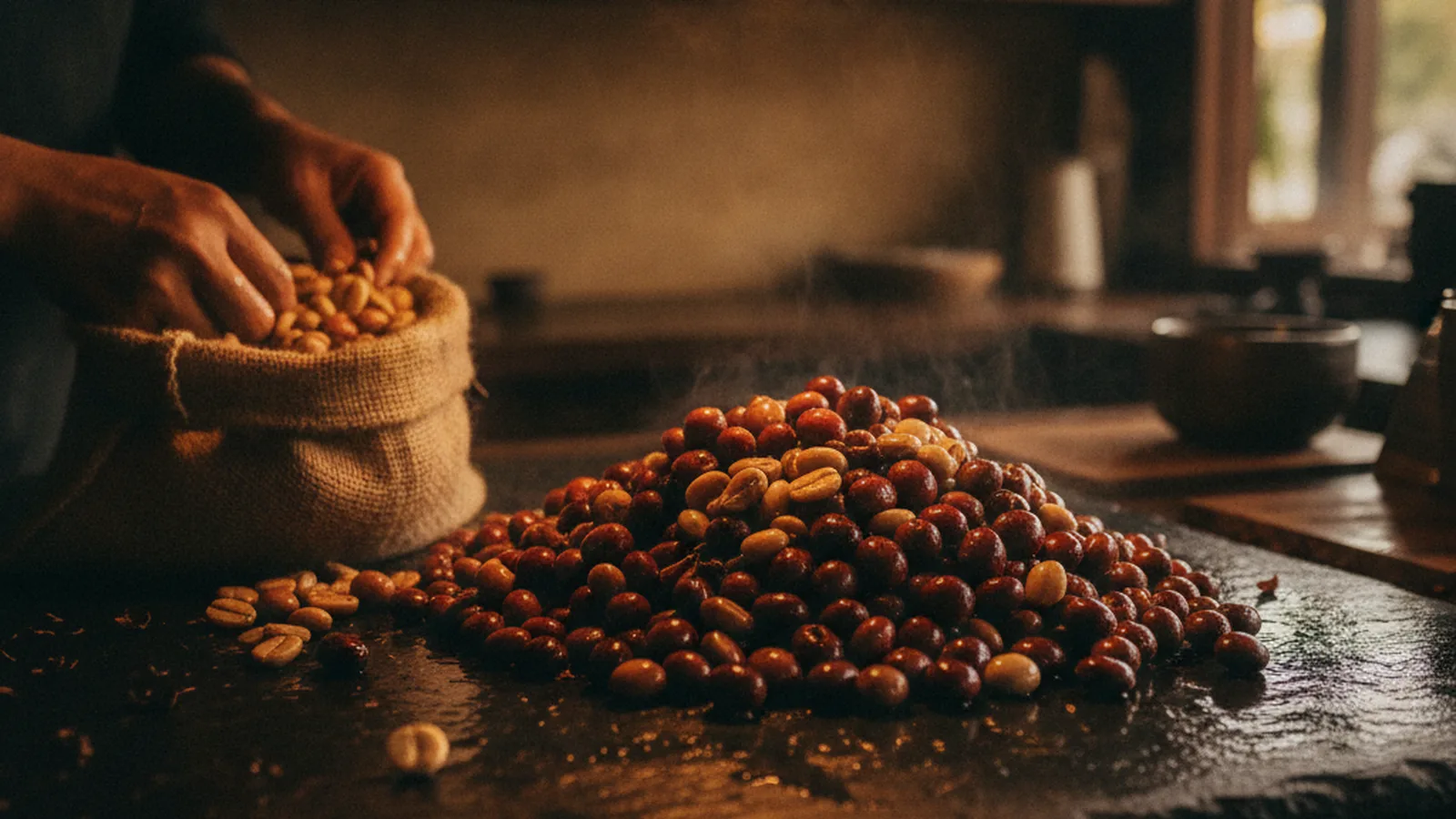
Wet Hulling (Giling Basah)
Wet hulling, giling basah, strips parchment early, giving Sumatra and Toraja coffee heavy body, low acidity, an earthy cup, with a sourced profile.
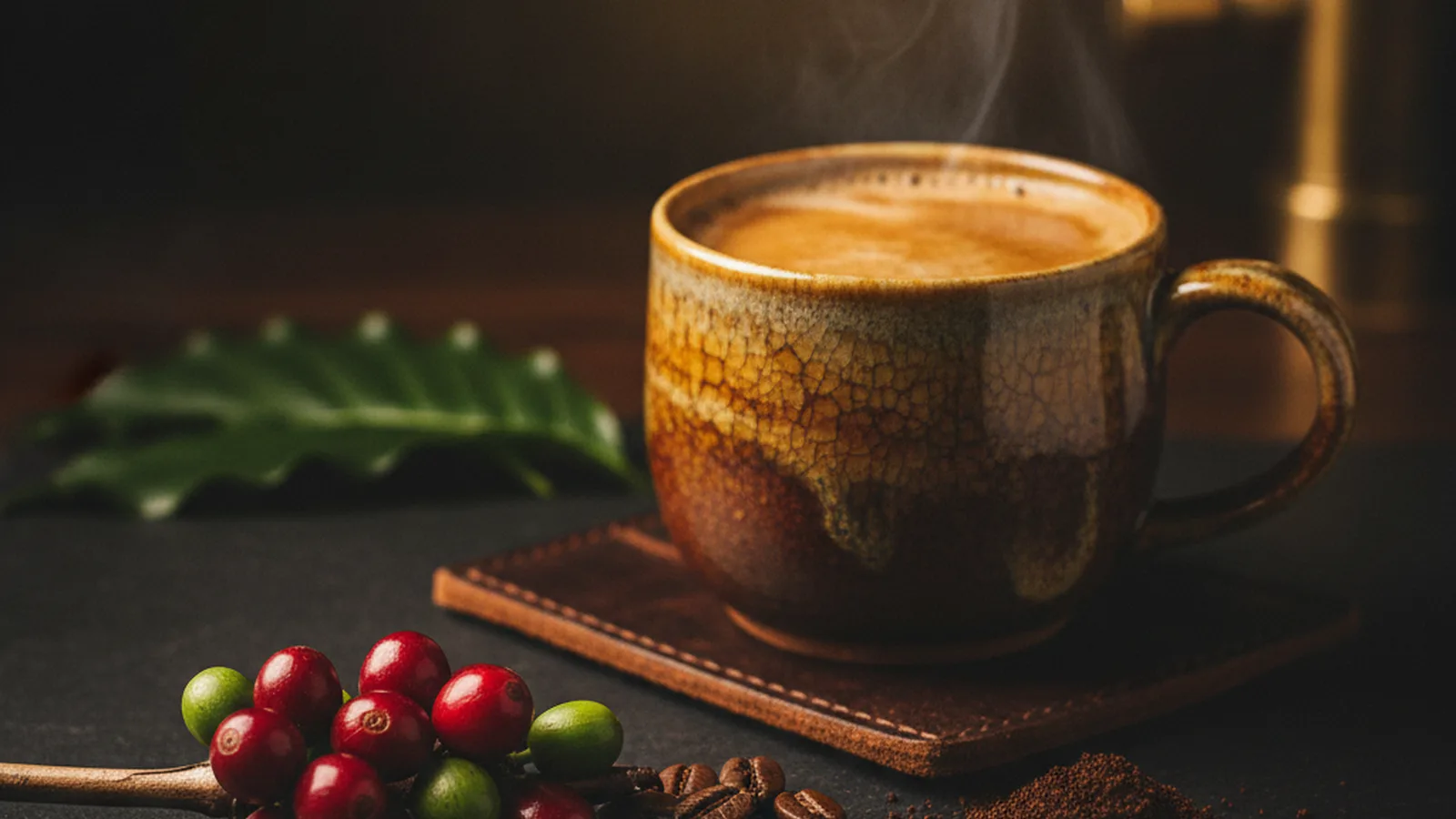
Catimor Coffee
Catimor crossed a rust-resistant Timor hybrid with Caturra to fight a 1970s leaf-rust epidemic, and inherited a flat-cup reputation the real scores complicate.
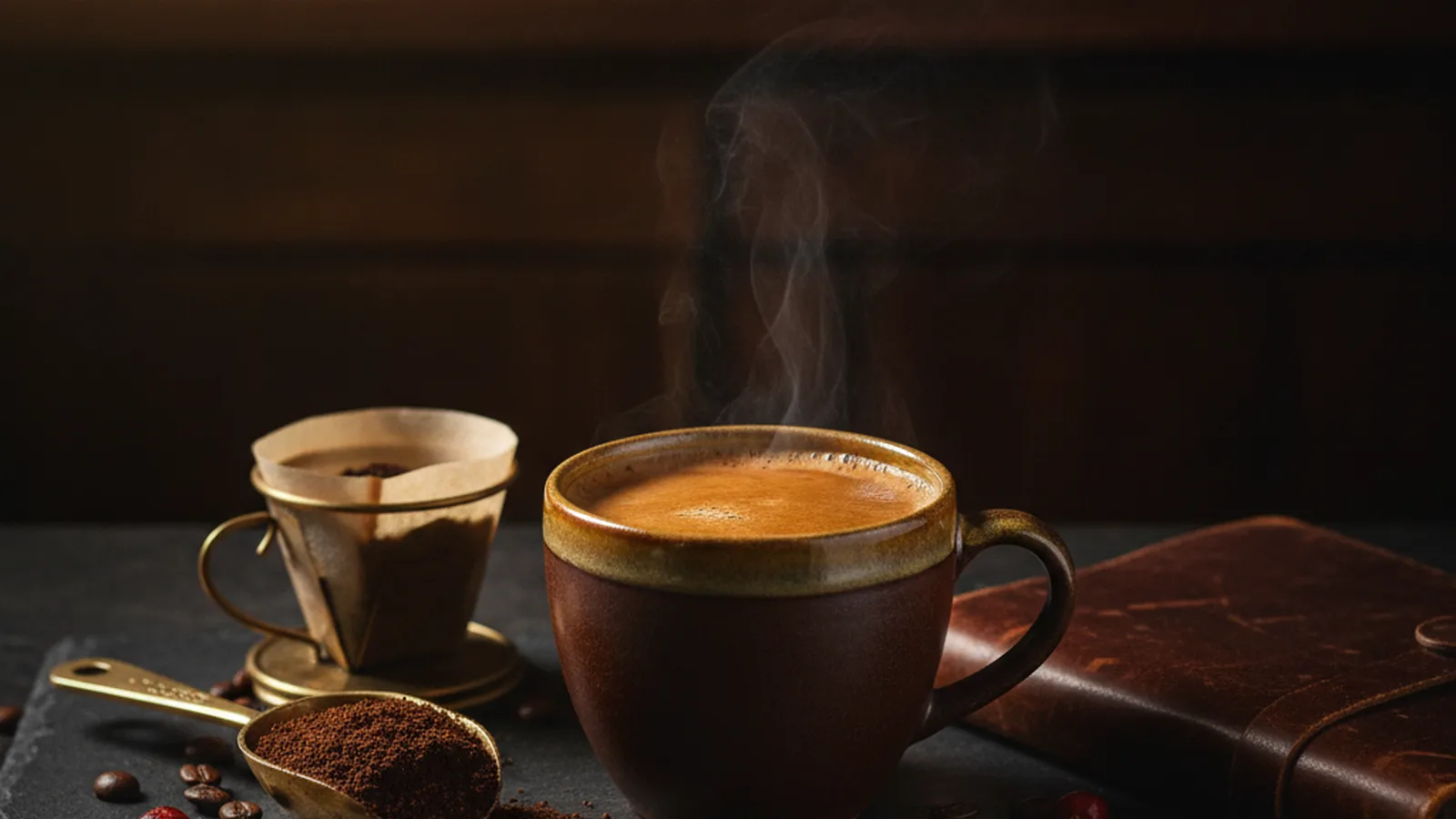
Indonesia Java
Indonesia Java is not one coffee: a small washed-Arabica estate tradition on the Ijen Plateau against the Robusta bulk that makes up most of the island's crop.
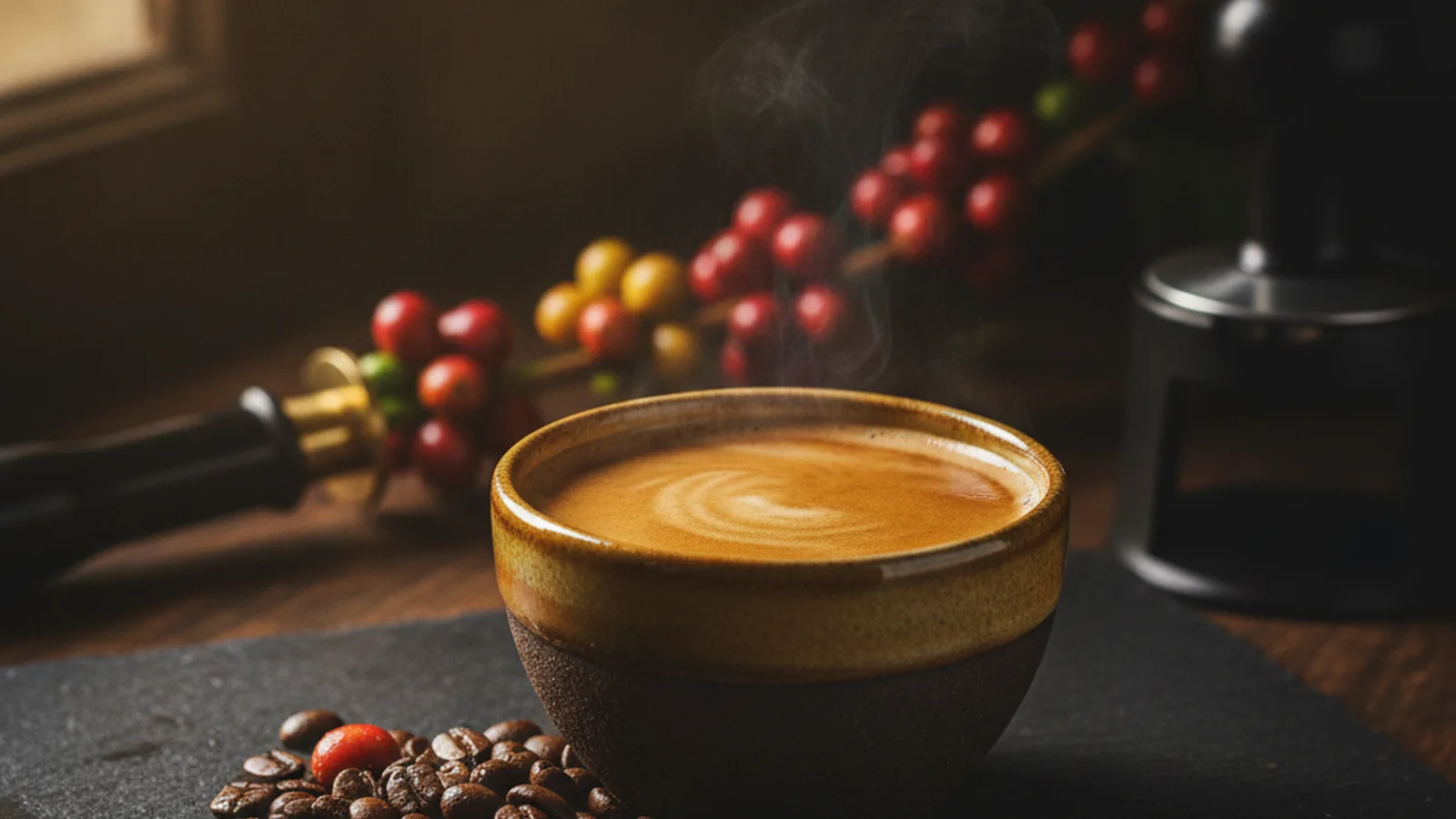
Yellow Bourbon Coffee
Yellow Bourbon is a 1930s Brazilian mutation of Red Bourbon, a rare, low-yield variety scored here from three real, dated Coffee Review lots.
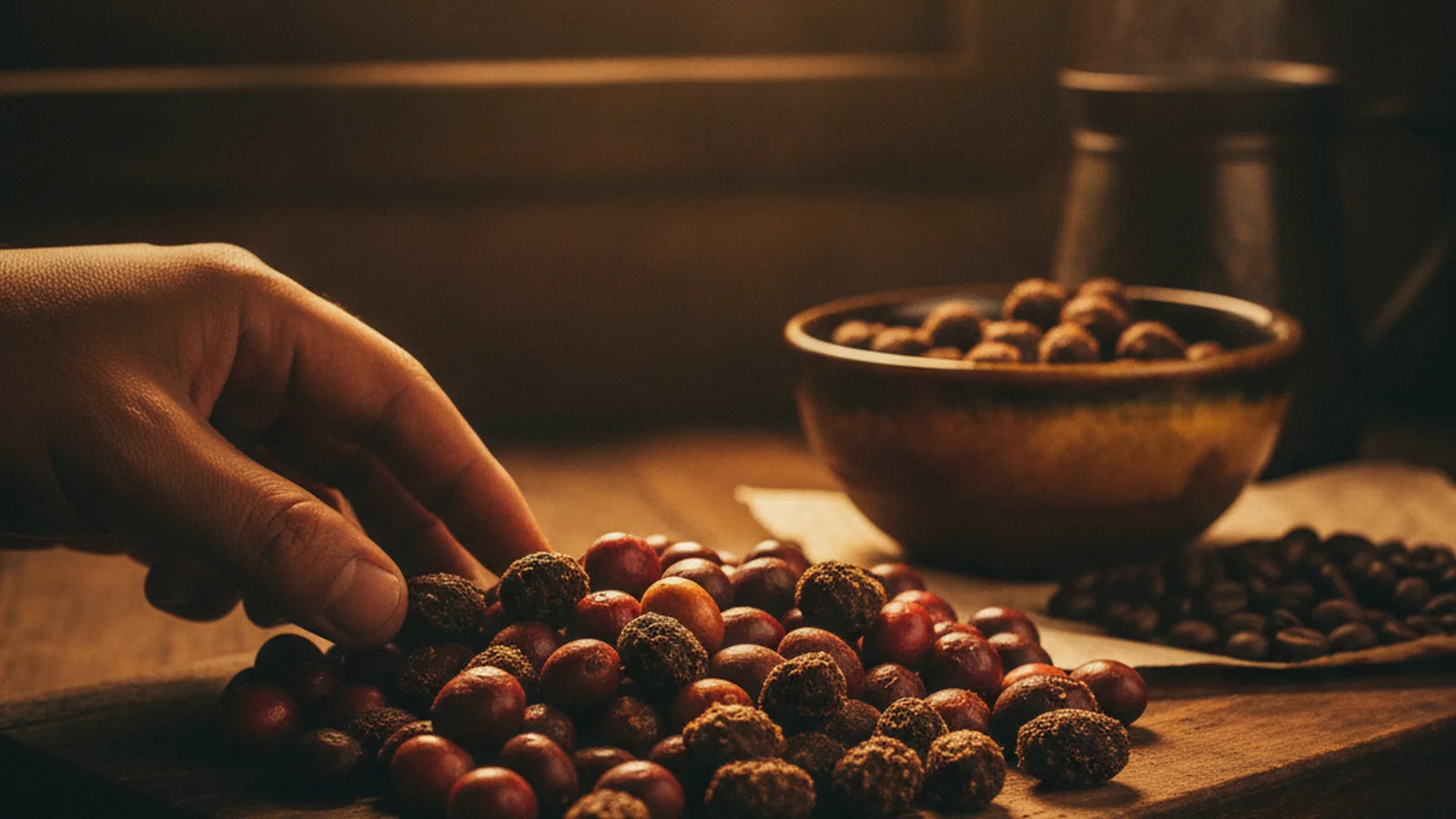
Kopi Luwak
Kopi luwak is coffee digested by the Asian palm civet: the real fermentation mechanism, the caged-civet fraud problem, and sourced cupping scores.
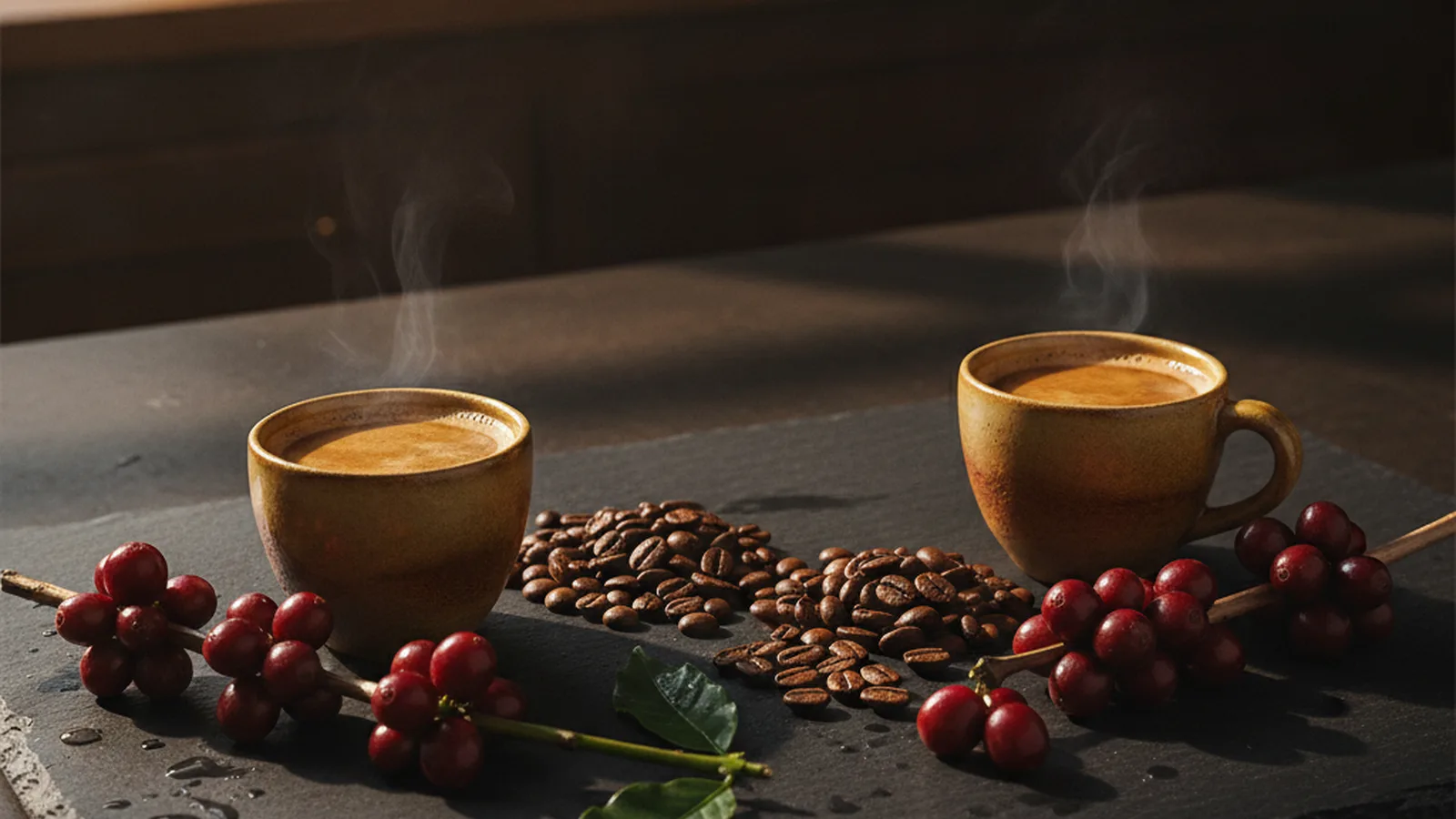
Arabica vs Robusta Coffee
Arabica and Robusta are different coffee species, not roast styles: the real genetics, caffeine, and cupping-score gap, sourced and compared side by side.
Colombia Narino
Colombia Narino is the country's highest-grown coffee department and its first protected Denomination of Origin, with a sourced flavor profile and citations.
Ethiopia Guji
Ethiopia Guji, the high-altitude Oromia zone once folded into generic Sidamo exports, now scored on its own real washed and natural cupping data.
Sulawesi Toraja
Sulawesi Toraja is Indonesia's wet-hulled highland arabica: heavy body, low acidity, earthy-spice cup, with a sourced flavor profile and real citations.
Caturra vs Catuai Coffee
Caturra and Catuai are the dwarf varieties that remade Latin American coffee farming: real genetics, agronomic tradeoffs, and a sourced flavor comparison.
Liberica and Excelsa Coffee
Liberica and excelsa: the coffee species outside the arabica-robusta duopoly, a 2025 genomic species split, real cupping scores, and where each actually grows.
Thailand Doi Chang
Thailand's Doi Chang, the Akha-grown Chiang Rai coffee that replaced opium poppies, with a sourced flavor profile, real cupping scores, and honest citations.
Bolivia Caranavi
Bolivia Caranavi coffee: a high-altitude Yungas origin with a sourced flavor profile and real altitude data, not just organic-and-Fairtrade adjectives.
Congo Kivu
Congo Kivu coffee rebuilds a war-scarred industry around Lake Kivu's Bourbon lots and cooperative washing stations, with a sourced flavor profile.
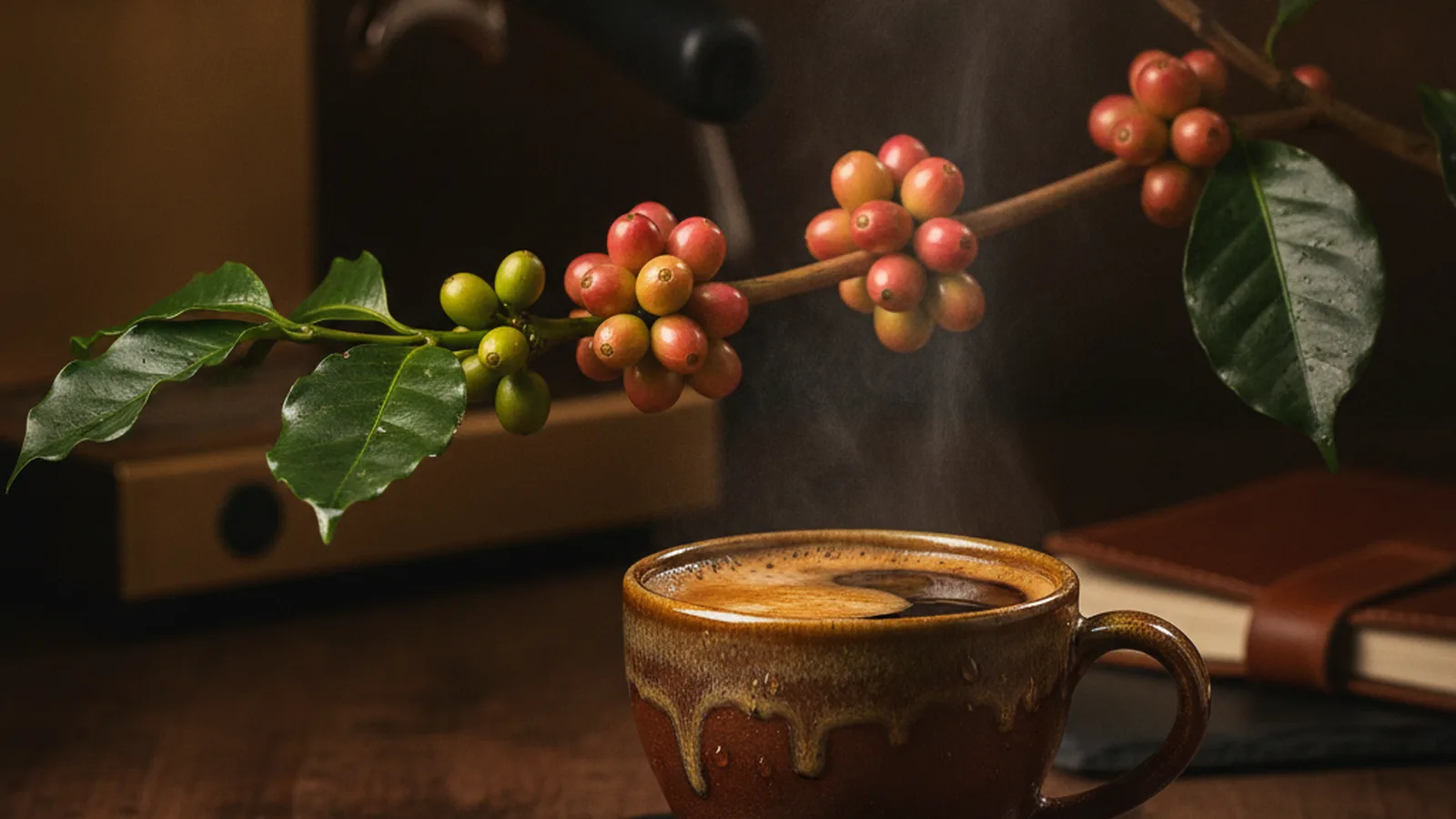
Pink Bourbon Coffee
Pink Bourbon looks and is named like a Bourbon mutation, but 2023 DNA testing traced this record-scoring Colombian varietal to an Ethiopian landrace instead.
Timor-Leste
Timor-Leste coffee, home to the rust-resistant Hibrido de Timor hybrid and organic smallholder farming, with a sourced flavor profile and real citations.
China Yunnan
China's Yunnan Province, now the source of nearly all Chinese coffee: Catimor variety, a Nestle-era origin story, and a sourced flavor profile.
El Salvador Apaneca-Ilamatepec
El Salvador's Apaneca-Ilamatepec highlands: the country's original coffee zone, volcanic soil, Bourbon lots, and a sourced flavor profile.
Papua New Guinea
Papua New Guinea's washed highland Arabica, seeded by a 1930s Blue Mountain planting, with sourced cupping scores, altitude data, and real citations.
Uganda Mount Elgon
Uganda's Mount Elgon Bugisu coffee, the washed East African origin known for chocolate sweetness and citrus brightness, with sourced cupping data and citations.
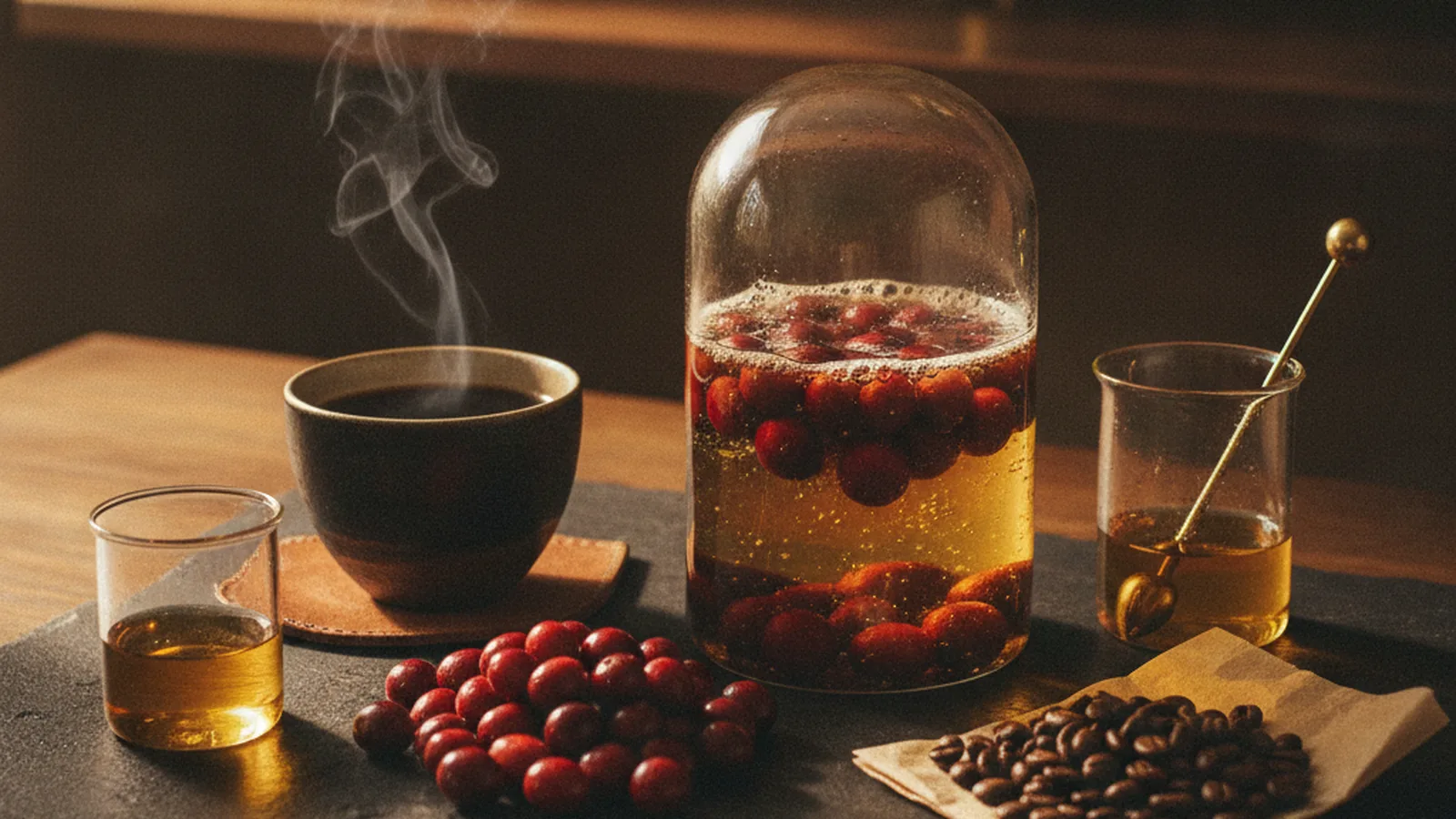
Carbonic Maceration Coffee Processing
Carbonic maceration seals whole coffee cherries in CO2 to ferment inside out, the wine-borrowed technique that won the 2015 World Barista Championship.
How Decaf Coffee Is Made
How decaf coffee is made: Swiss Water, sugarcane EA, and CO2 explained, with real caffeine-removal percentages and the taste trade-offs of each method.
Ecuador Loja
Ecuador's Loja province produced 2021's record-price Cup of Excellence lot from tiny smallholder farms, with sourced altitude, harvest, and cupping data.
Maragogype Coffee
Maragogype is coffee's biggest bean, an 1870 Typica mutation. Real Coffee Review data tests whether its size actually predicts cup quality.
Nicaragua Jinotega
Jinotega grows most of Nicaragua's coffee, but generic labeling hides it. Real altitude, harvest windows, and sourced cupping scores, no invented data.
Honduras Marcala
Honduras Marcala, Central America's first coffee Denomination of Origin: what the legal designation requires, and how the cup scores against real reviews.
Pacamara Coffee
Pacamara is El Salvador's 30-year Pacas by Maragogipe cross: huge beans, real Cup of Excellence wins, and an honest look at how often the hype holds up.
SL28 and SL34 Coffee Varieties
SL28 and SL34 are Kenya's 1935-39 Scott Labs selections: the real history, the genetics, and drought-tolerance evidence weighed against the lore.
Tanzania Peaberry
Tanzania Peaberry is a shape grade, not a quality grade: real grading rules, sorting economics, and two averaged Coffee Review scores behind its cup.
Vietnam Robusta
Vietnam supplies nearly 40% of the world's robusta exports. A sourced look at Coffea canephora's chemistry, Fine Robusta scoring, and real cupping data.
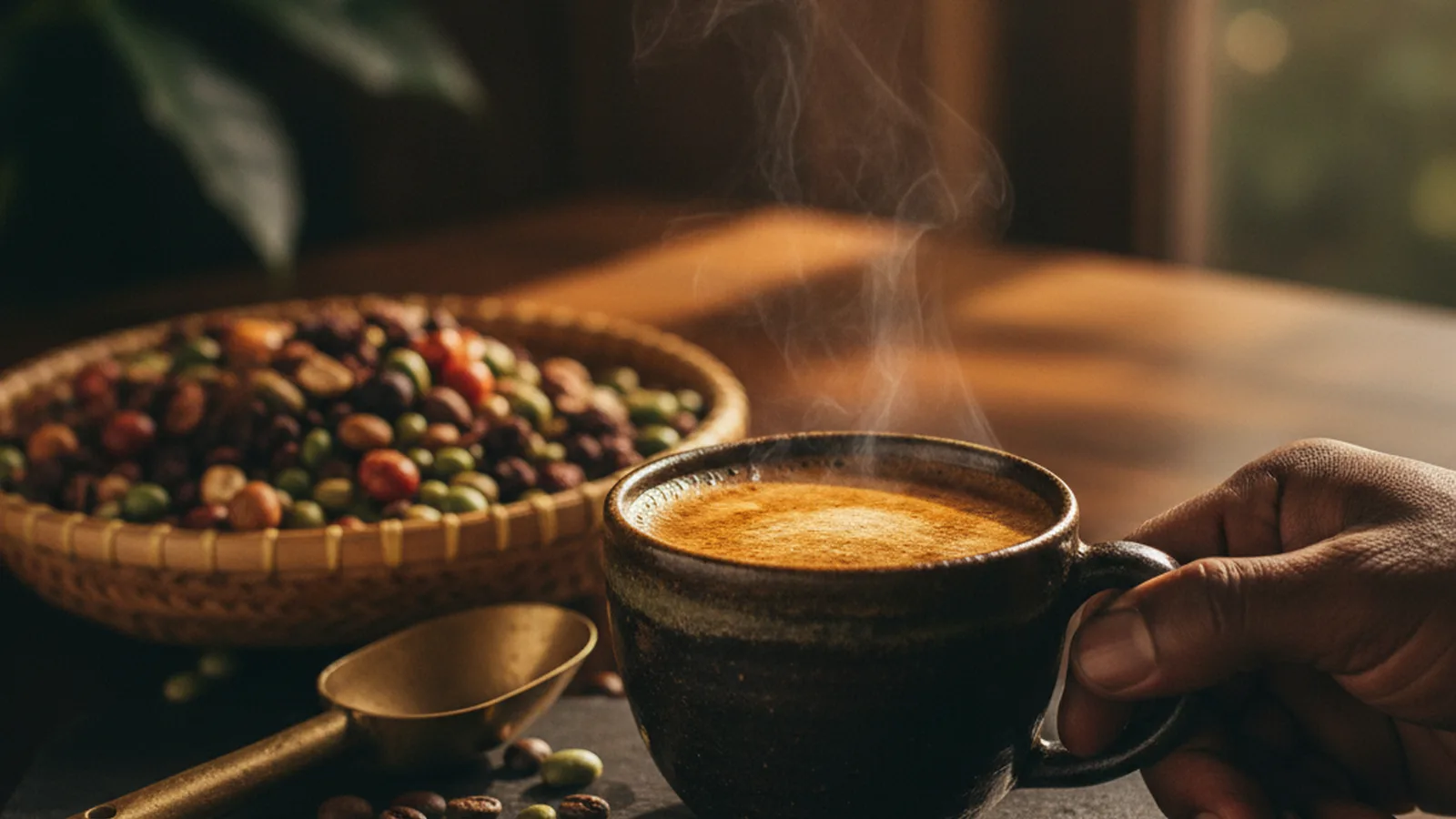
Burundi Kayanza
Burundi's Kayanza province grows Bourbon coffee that scores alongside Rwanda's best lots, with Cup of Excellence and Coffee Review data behind it.
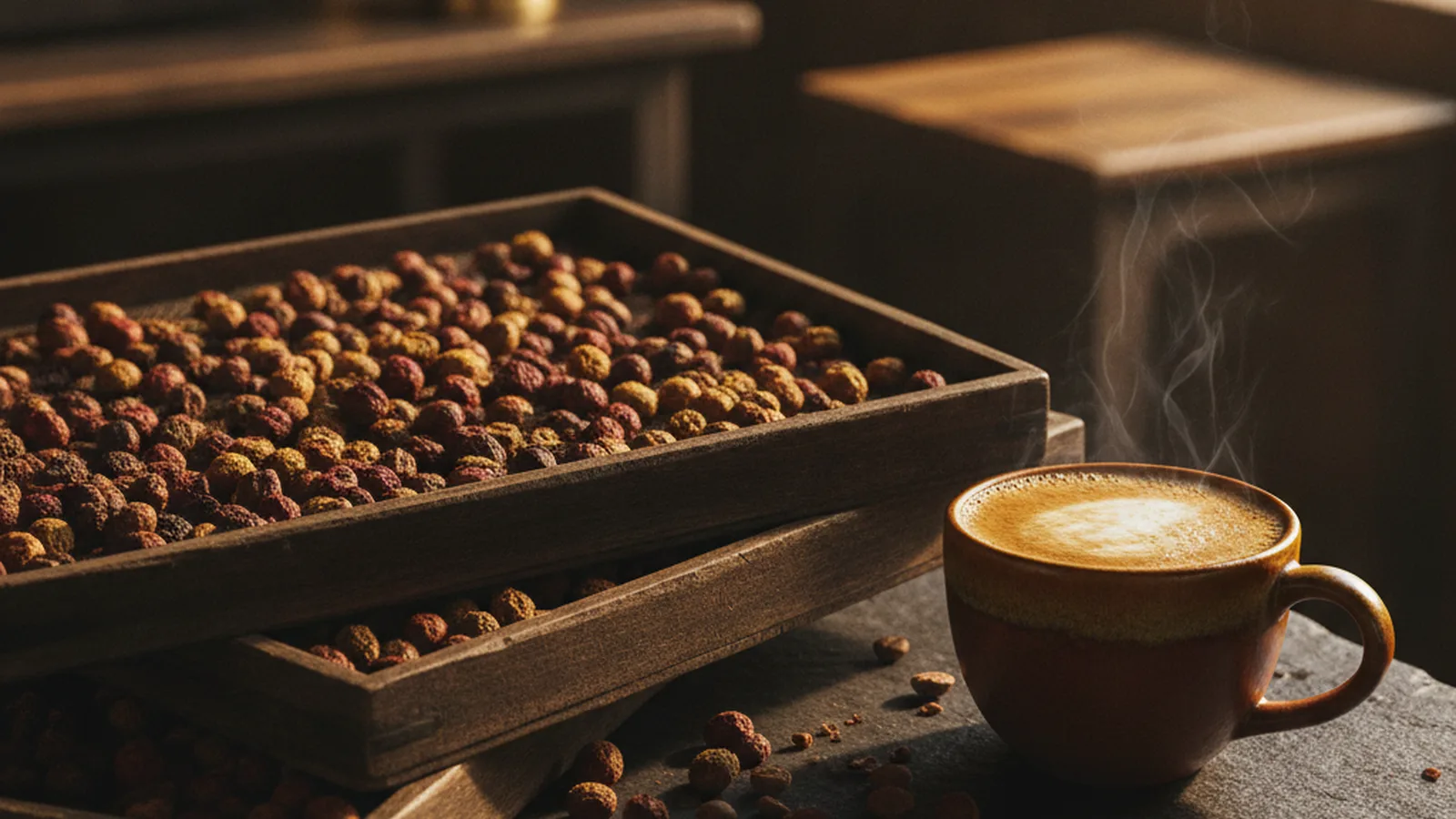
Monsooned Malabar Coffee
Monsooned Malabar trades acidity for body: raw beans absorb monsoon humidity on India's Malabar Coast for 12-16 weeks, with the real mechanism and cupping data.
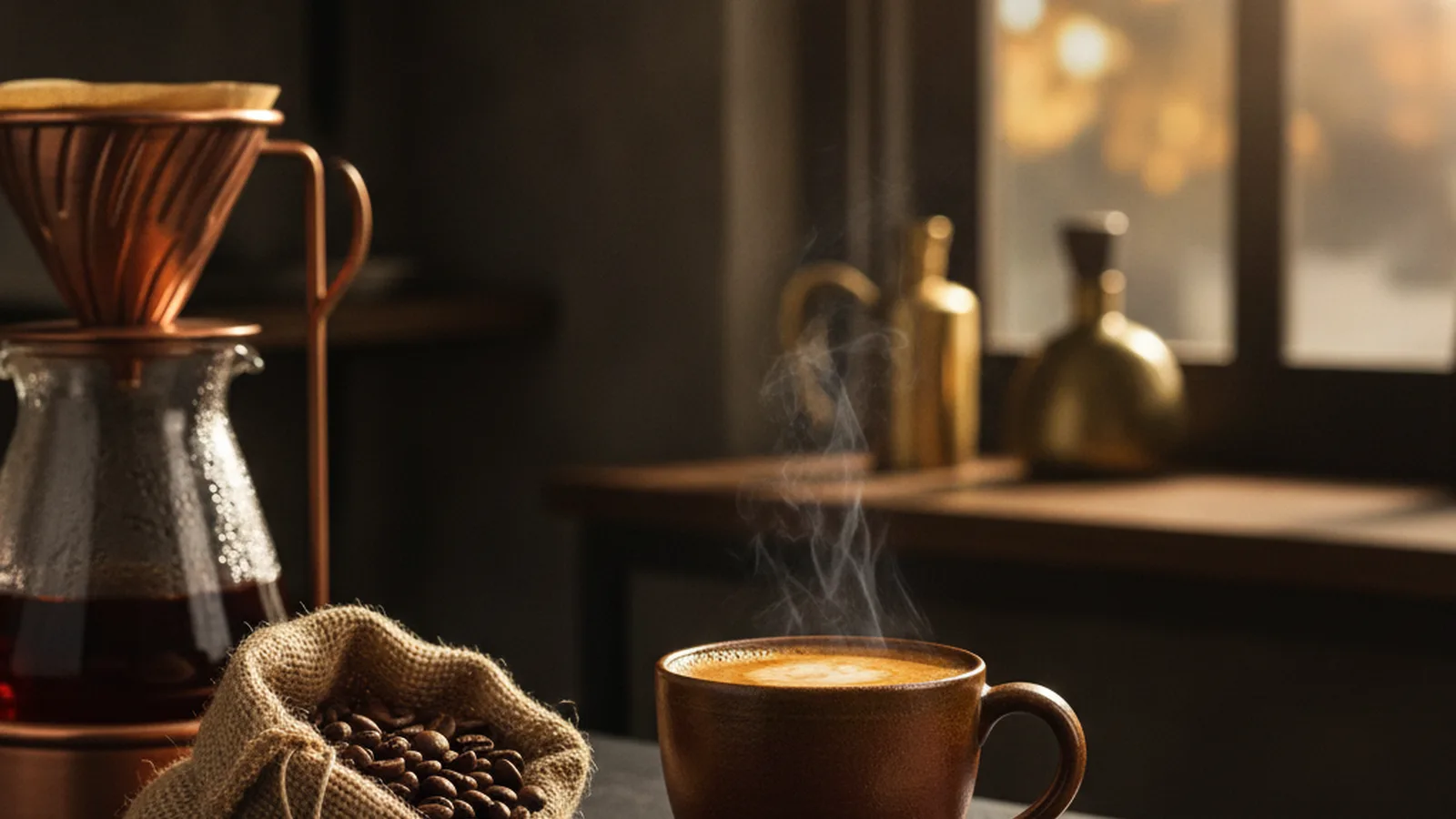
Mexico Chiapas
Chiapas grows coffee on the same Sierra Madre slopes as Guatemala's coffee zone, yet sells for less: altitude bands, cupping scores, and the reasons why.
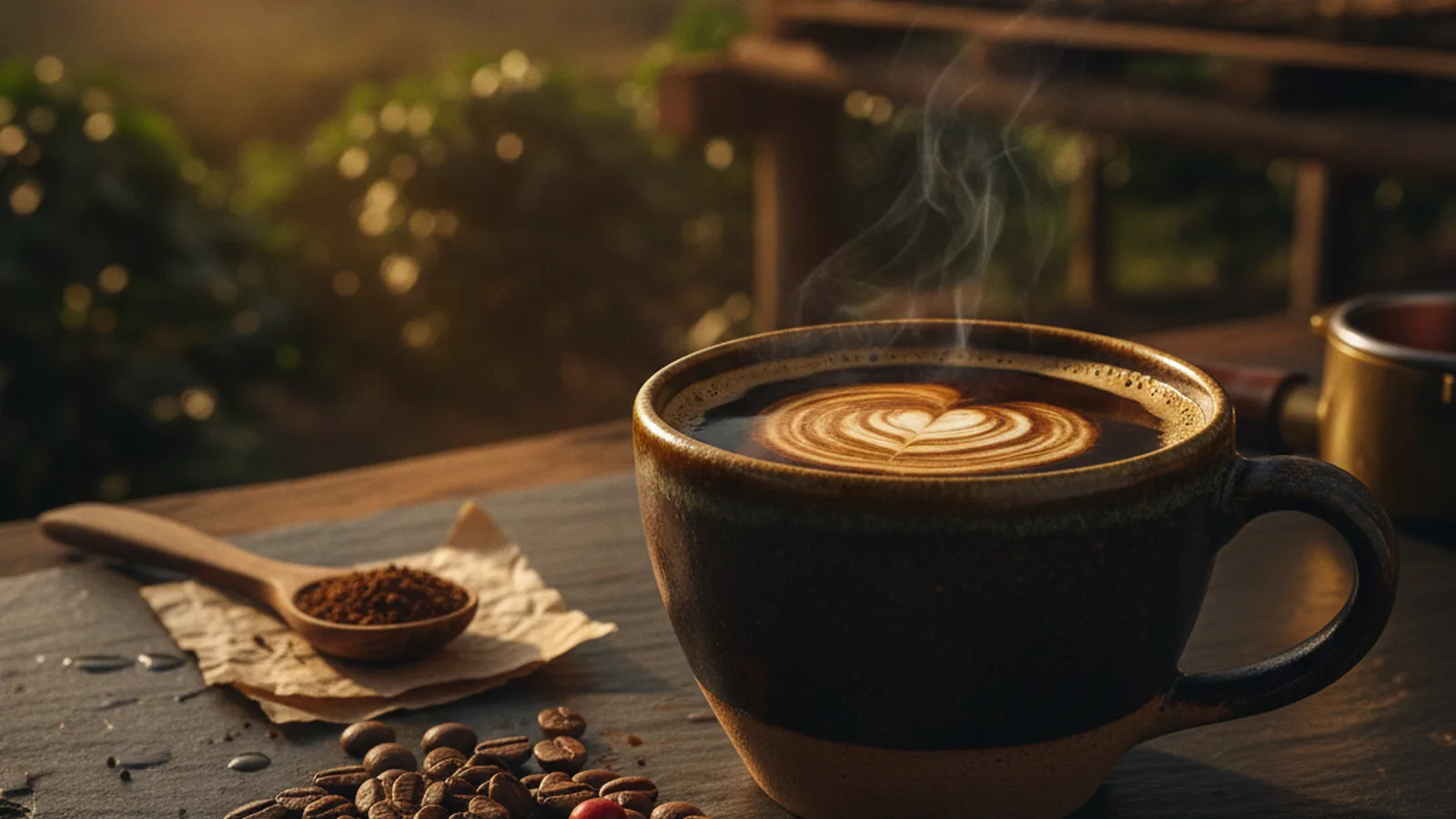
Peru Cajamarca
Peru's Cajamarca growers ship some of the world's most organic coffee, and this entry weighs the real certification cost against the real cooperative premium.
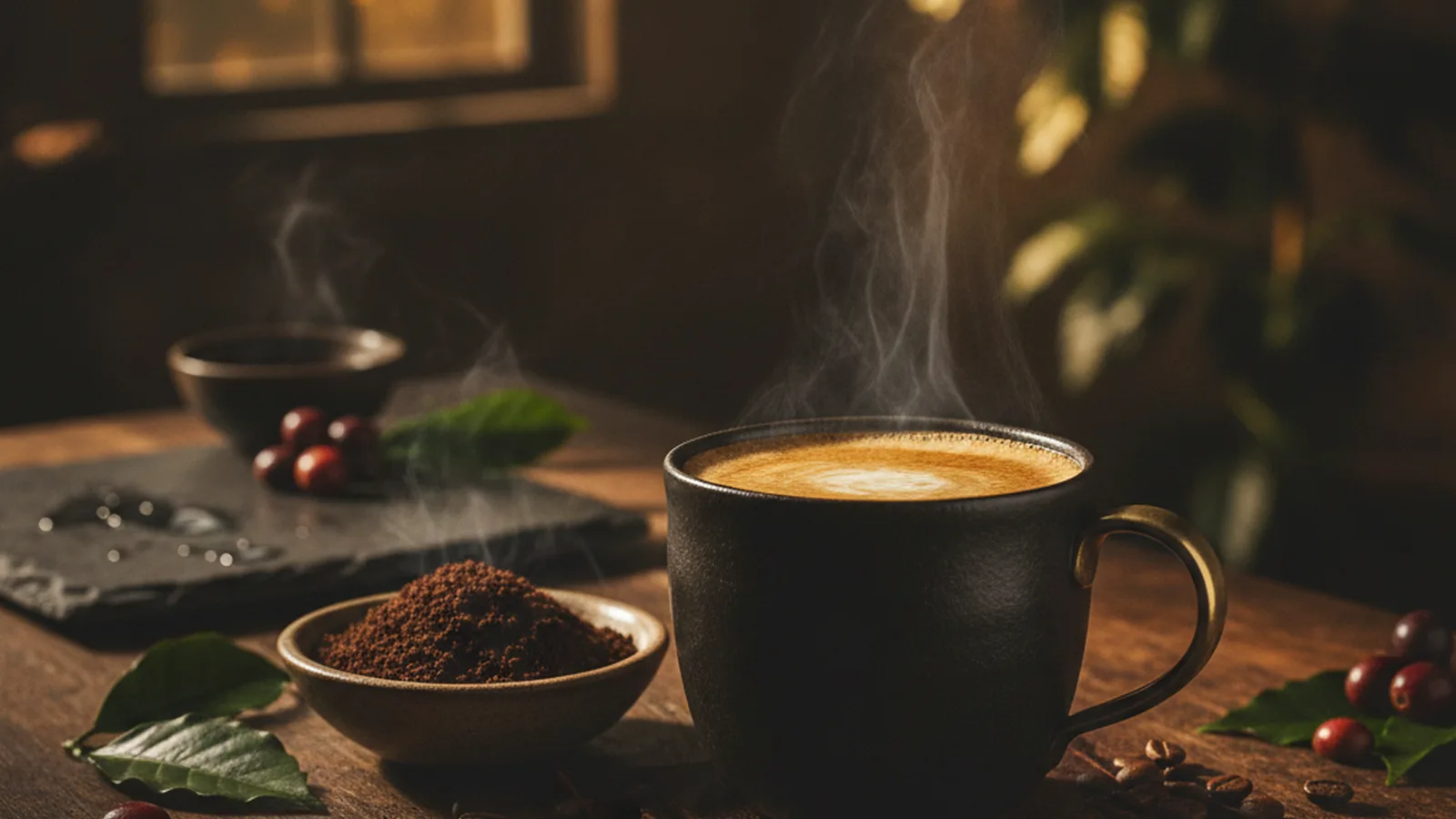
Rwanda Bourbon
Rwanda rebuilt its coffee industry on Red Bourbon and post-2000 washing stations, and honestly explains the real defect risk in that same terroir: potato taste.
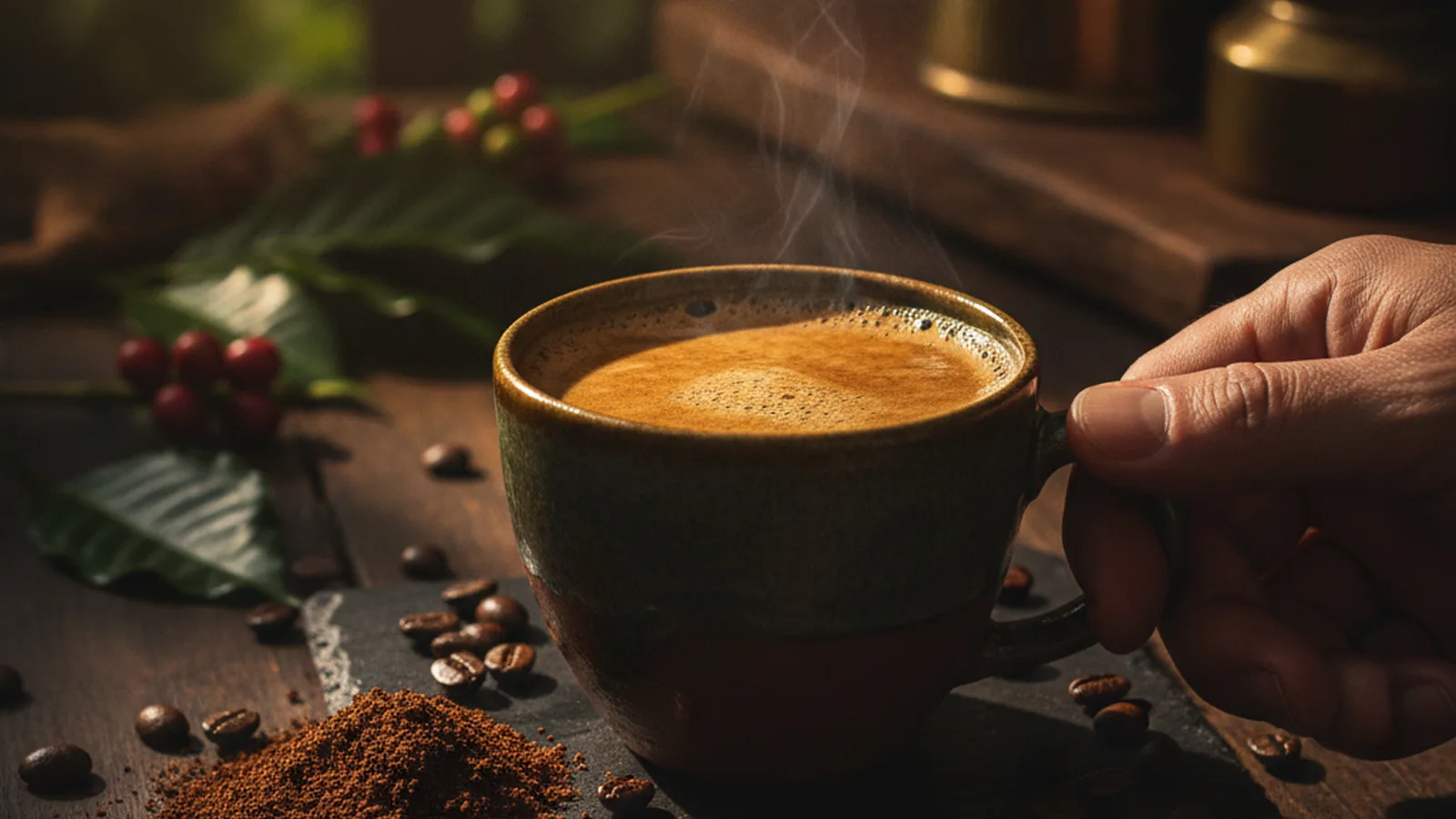
Costa Rica Tarrazu
Costa Rica Tarrazu, the sedimentary-soil highland region whose micromill economics changed who profits from the cup, with sourced flavor data and citations.
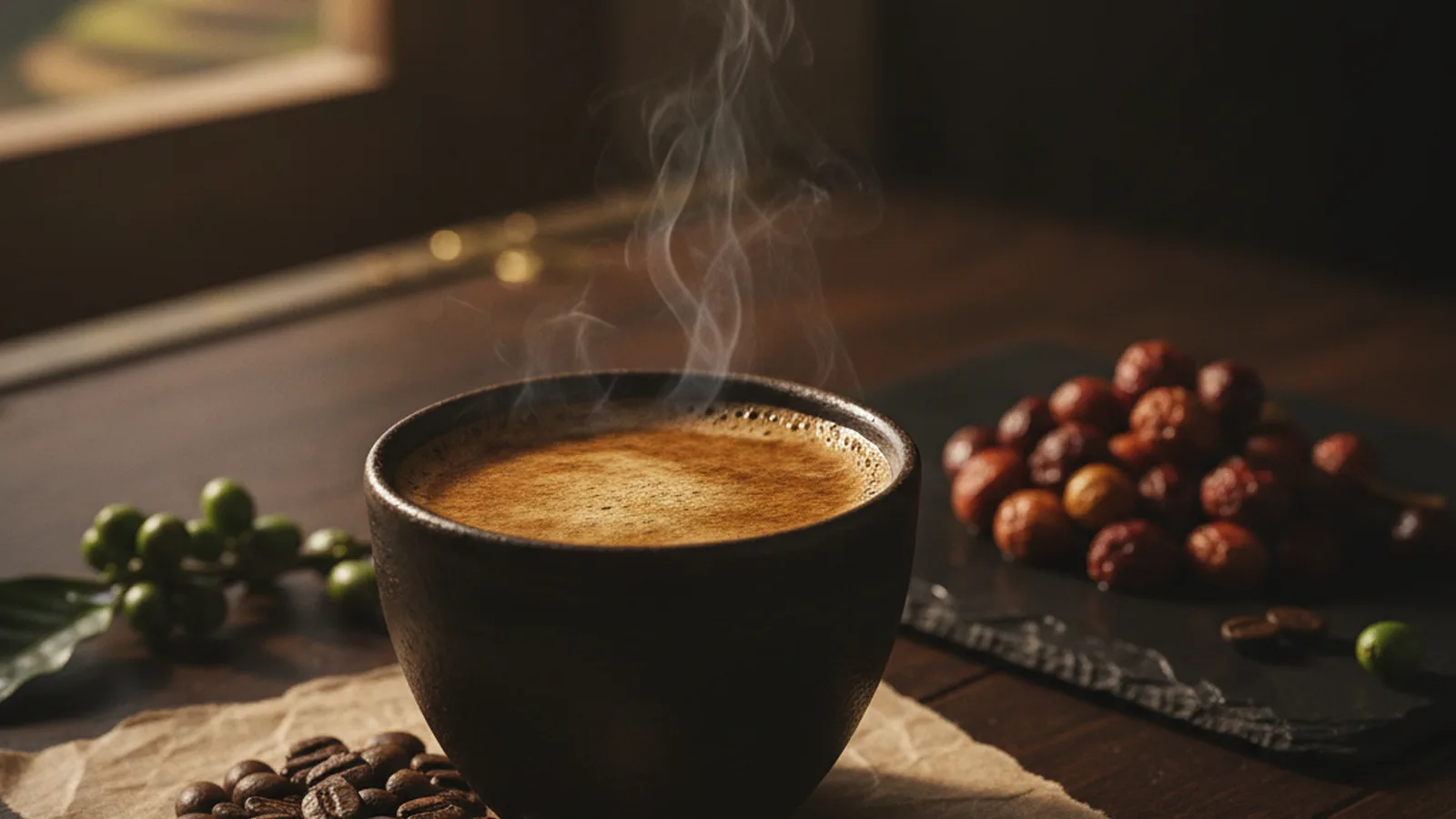
Yemen Mocha
Yemen Mocha, where coffee cultivation and the global coffee trade began: named heirloom varieties, natural rooftop drying, and a sourced flavor profile.
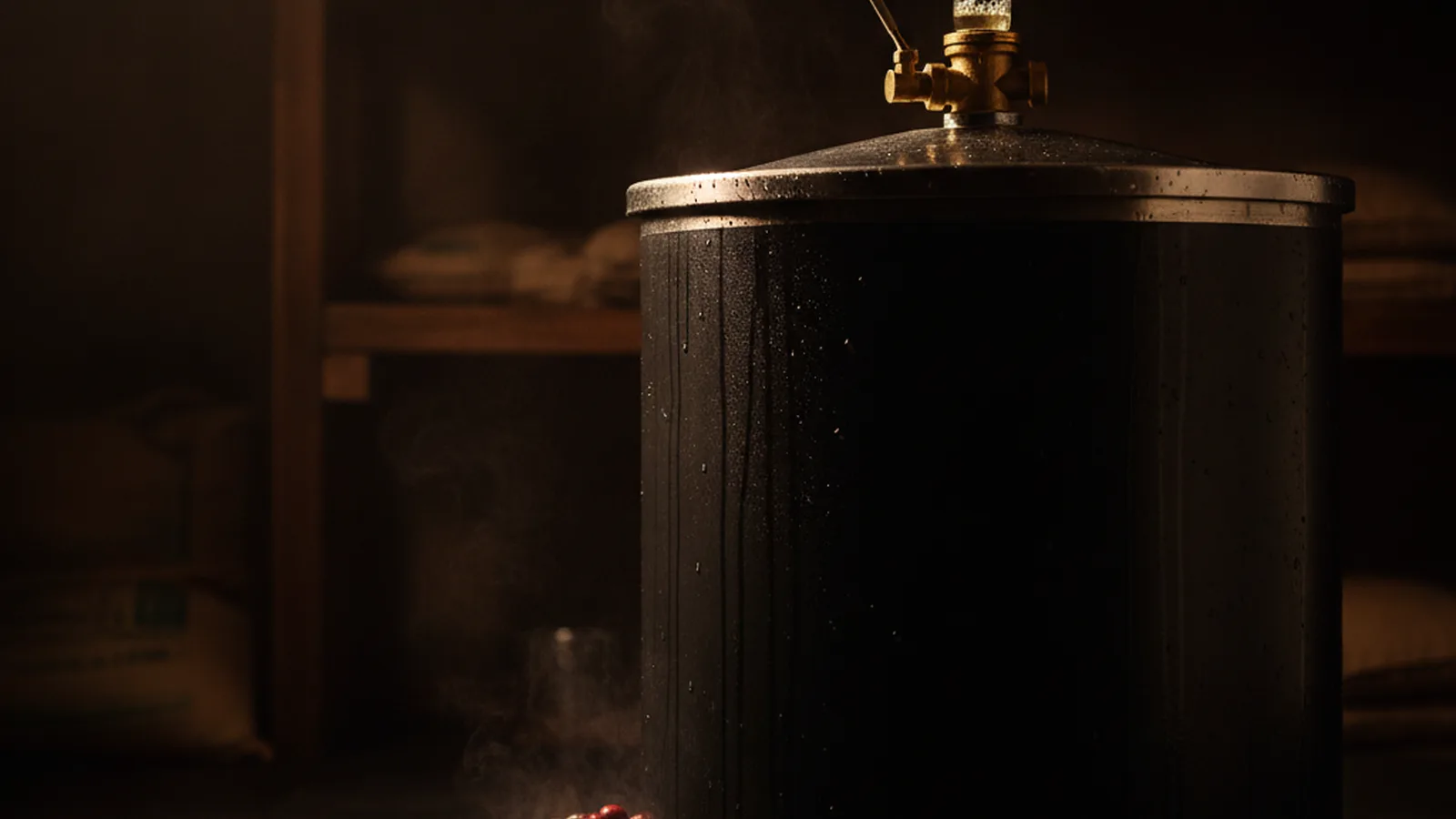
Anaerobic Coffee Processing
Anaerobic coffee processing seals cherries in oxygen-free tanks to build fruit-forward cups: the real fermentation mechanism and its competition-circuit rise.
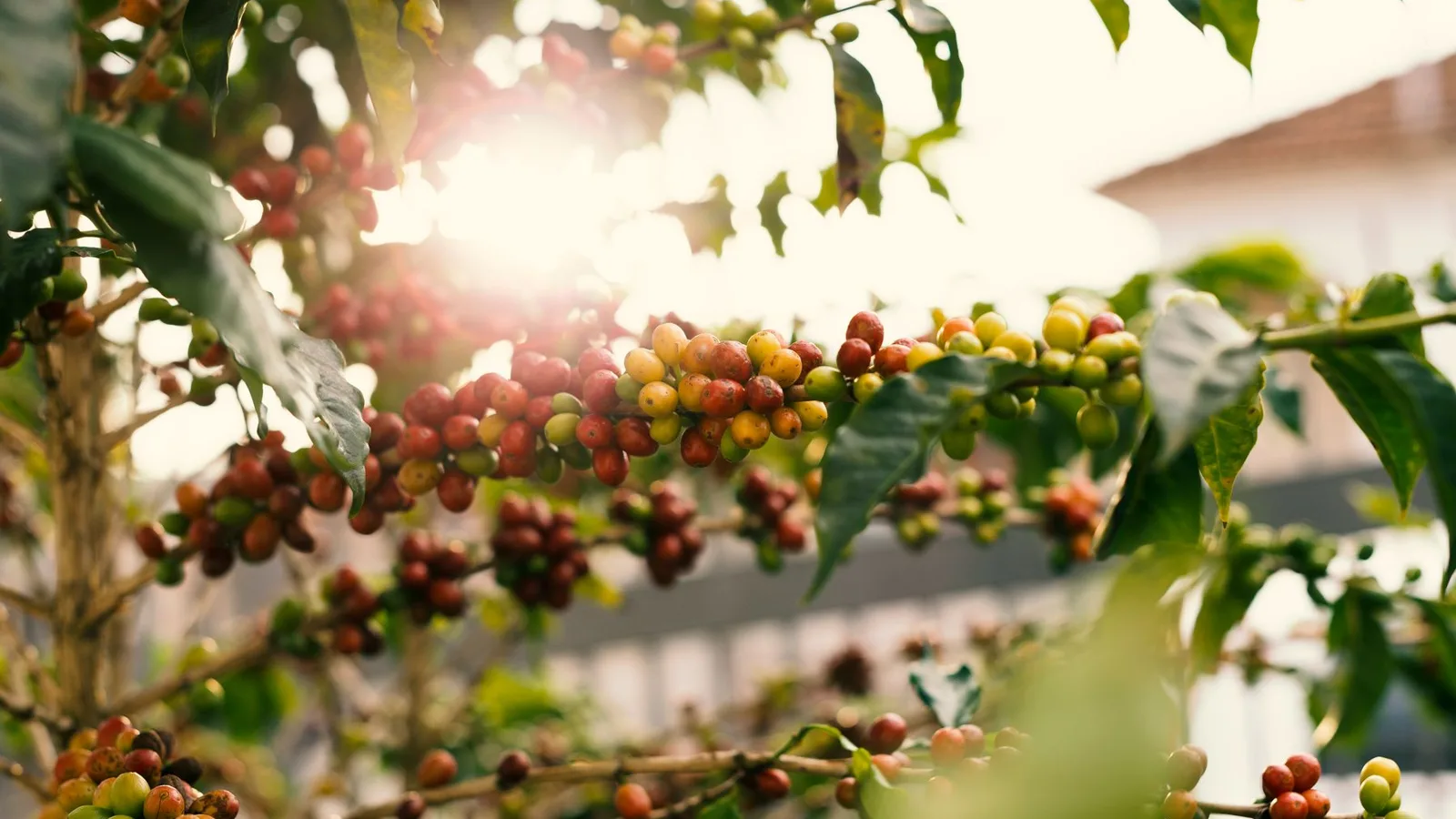
Bourbon vs Typica Coffee
Bourbon and Typica are the two varieties most modern Arabica cultivars trace to: real genetic lineage, a sourced flavor comparison, and the family tree.
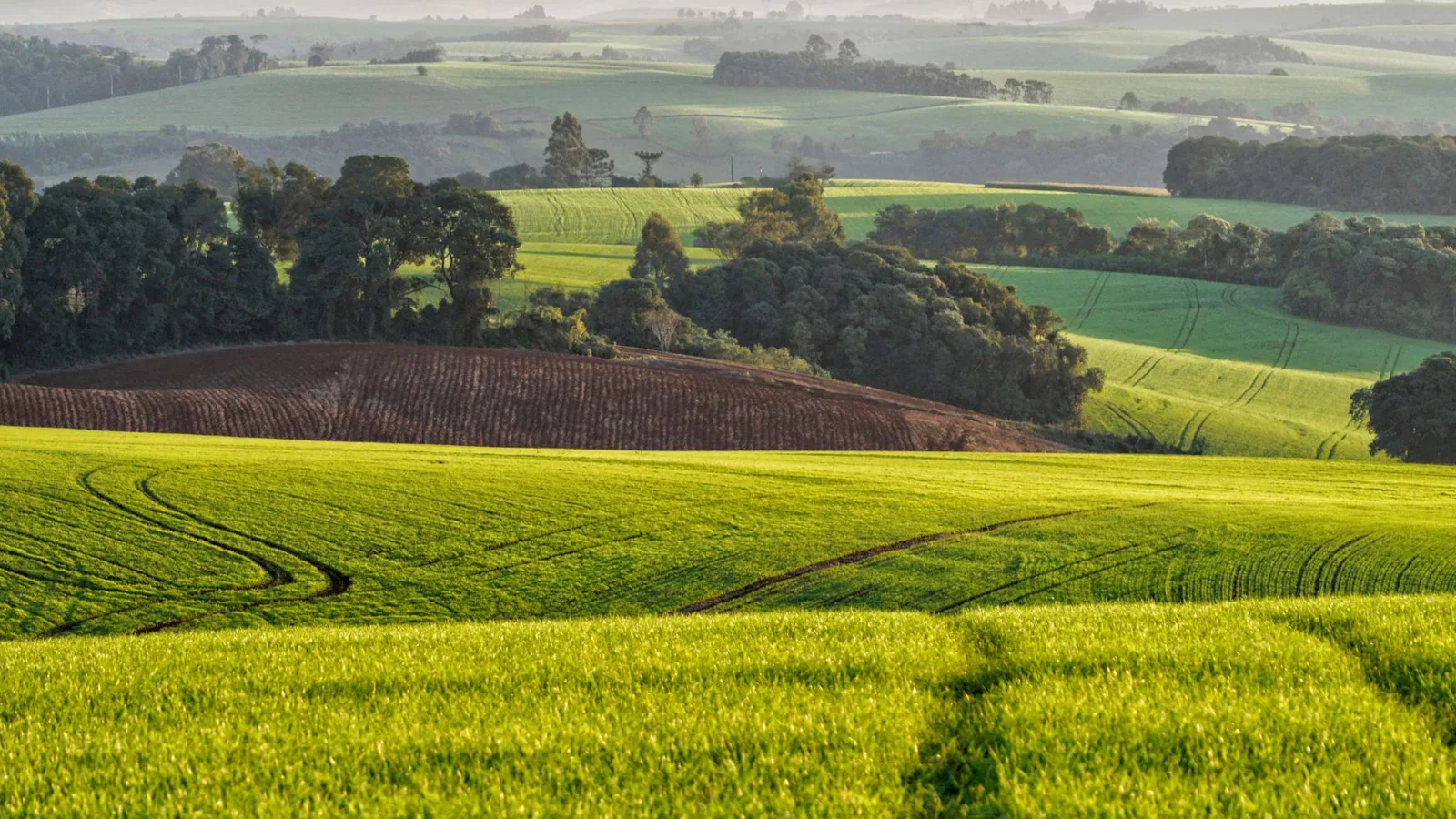
Brazil Cerrado
Brazil Cerrado is the low-altitude workhorse behind the world's largest coffee crop, with a sourced altitude range, real cupping scores, and citations.
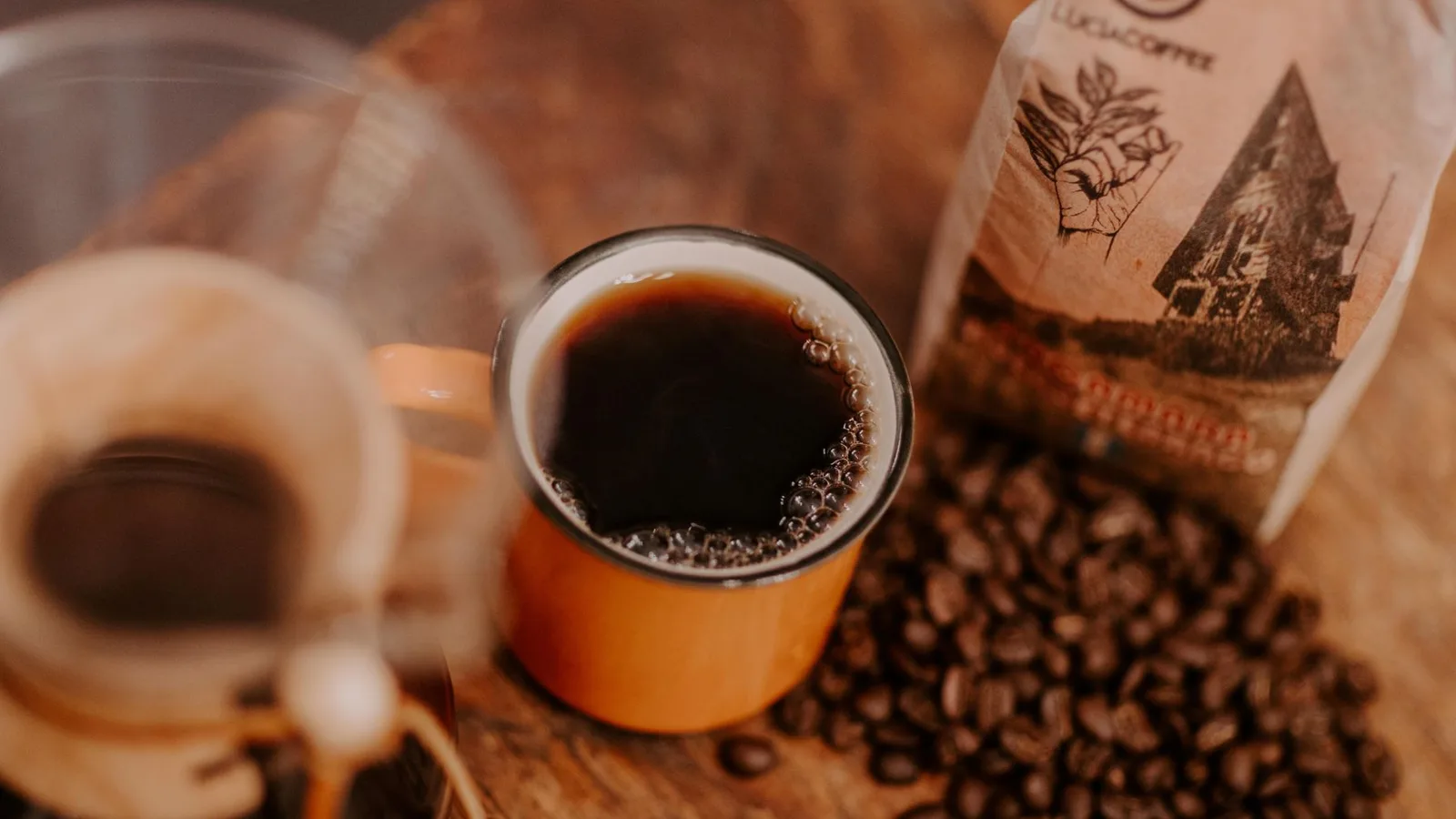
Guatemala Antigua
Guatemala Antigua is the volcanic-soil classic behind Central America's coffee reputation, with a sourced altitude range, real cupping scores, and citations.
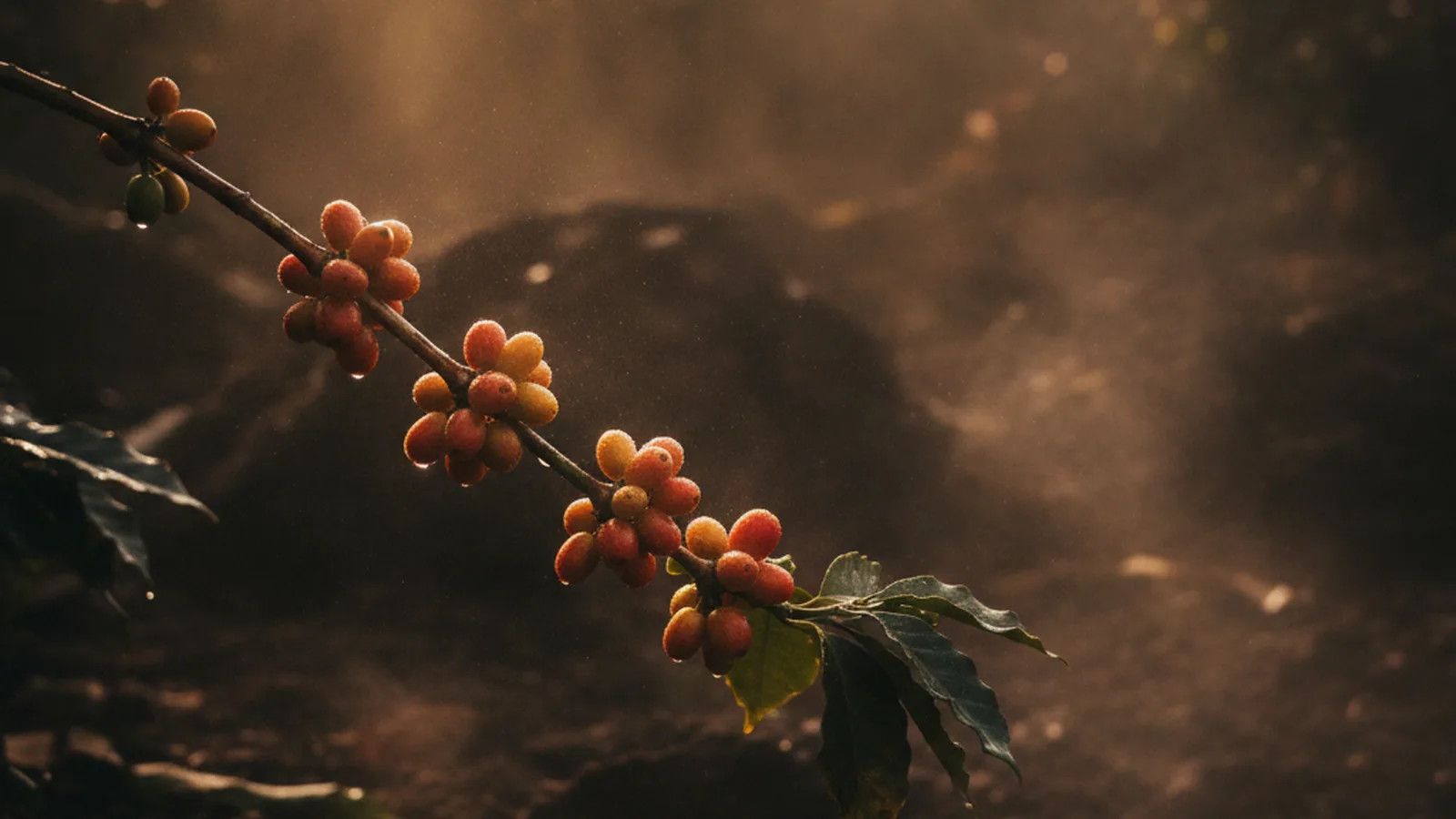
Panama Boquete Geisha
Panama's Boquete highlands on Volcan Baru grow the Geisha coffee behind record auctions, with sourced cupping scores, altitude data, and real citations.
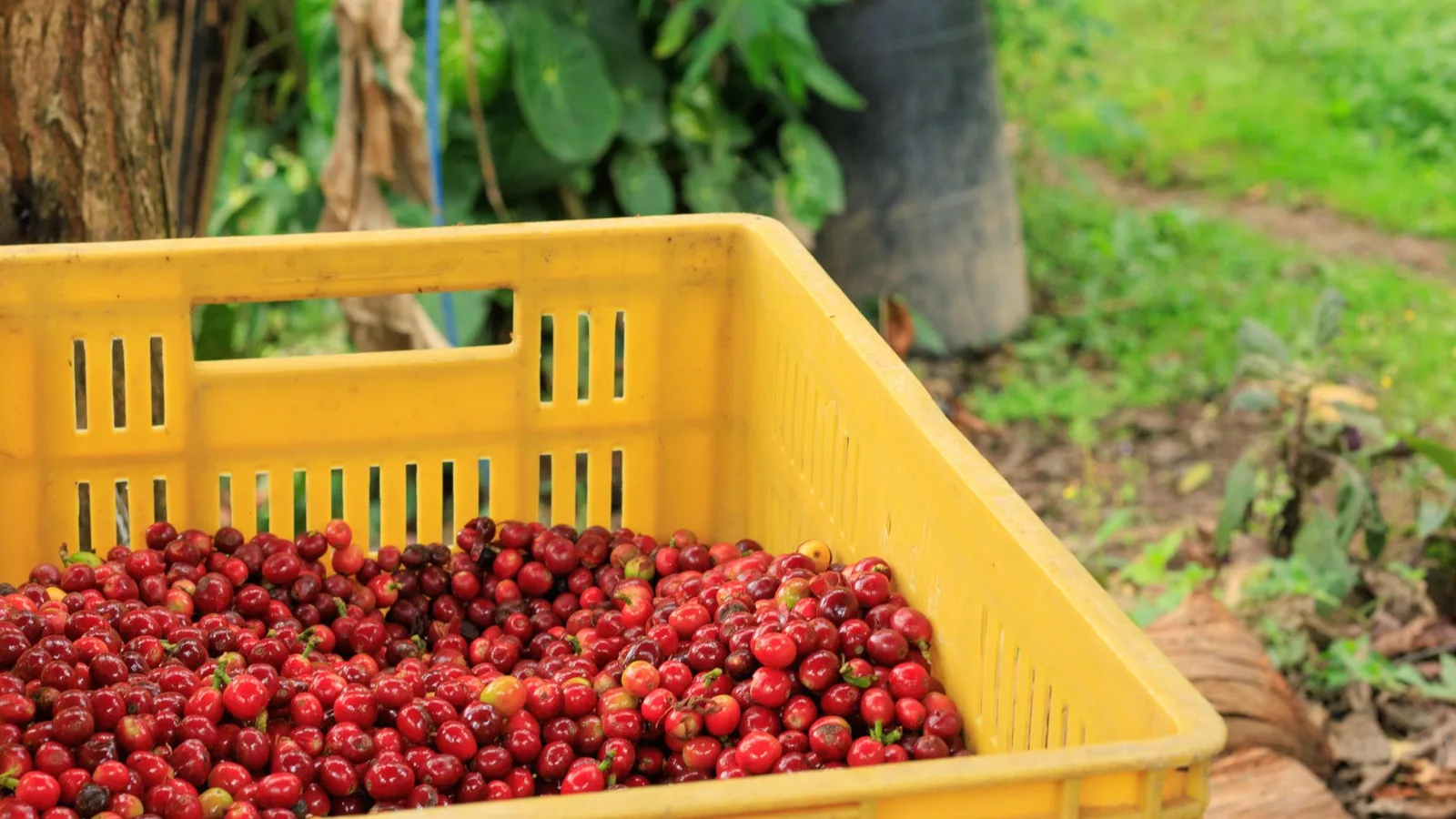
Colombia Huila
Colombia Huila is the country's biggest coffee-growing department, a traceable micro-region behind the generic Colombian coffee label, with sourced data.
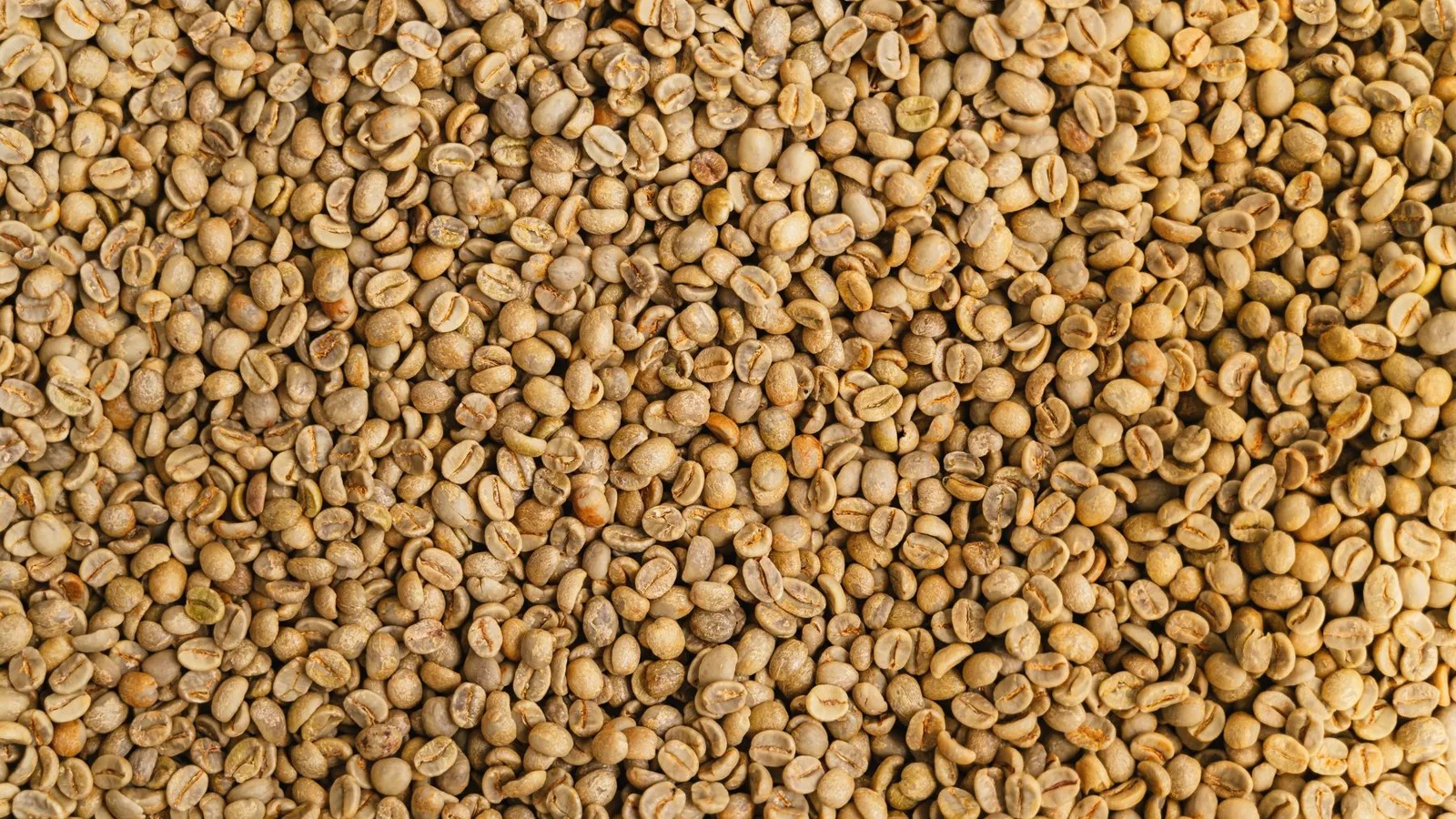
Hawaii Kona Coffee
Kona grows on a narrow volcanic belt at 244 to 762 meters. Real Coffee Review scores, the 2025 fraud case, and the 10 percent blend law explain the name.
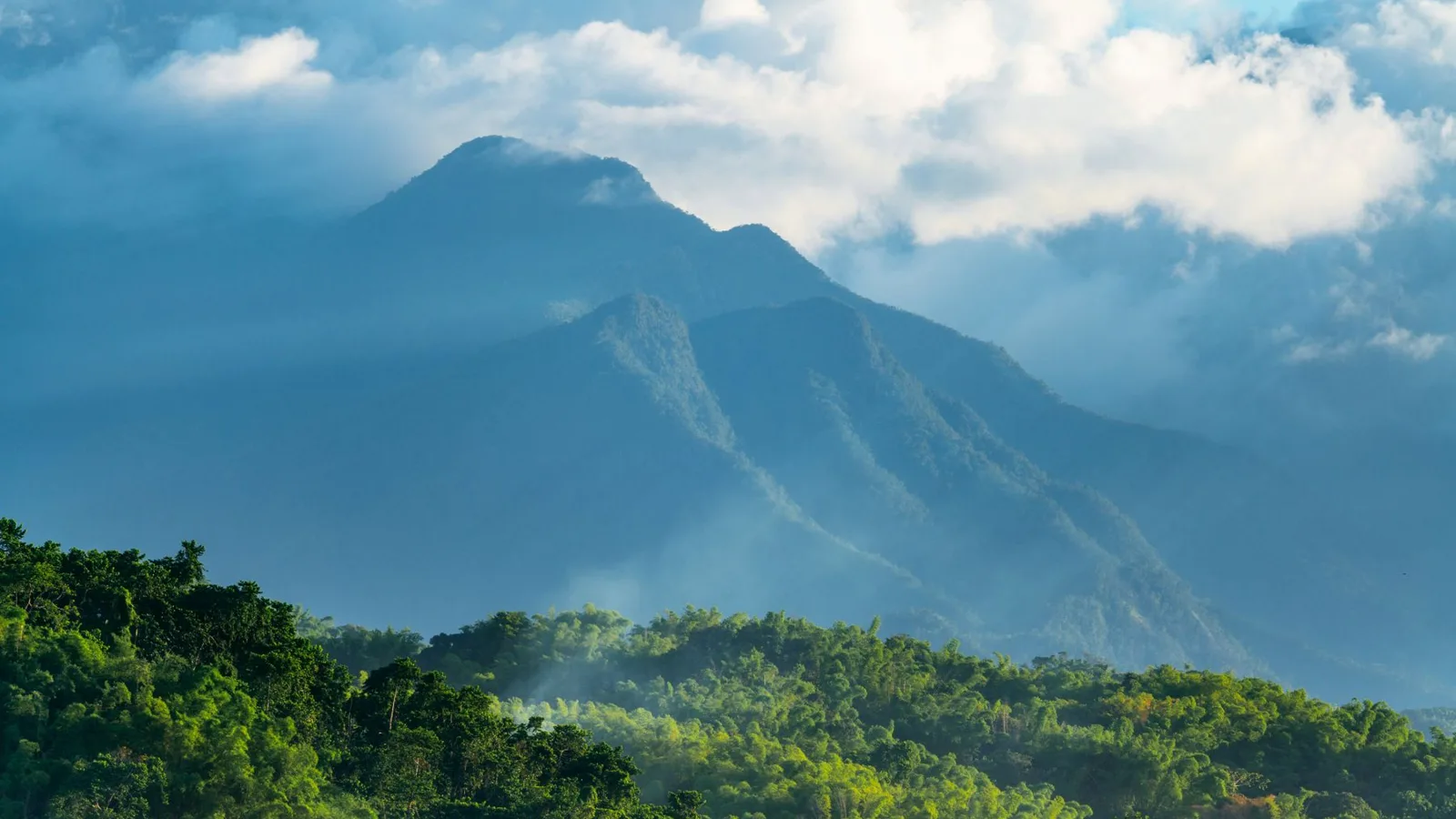
Jamaica Blue Mountain Coffee
Jamaica Blue Mountain costs $50 to $120 a bag, driven by scarcity and Japanese demand. Real Coffee Review scores test whether the cup backs up the hype.
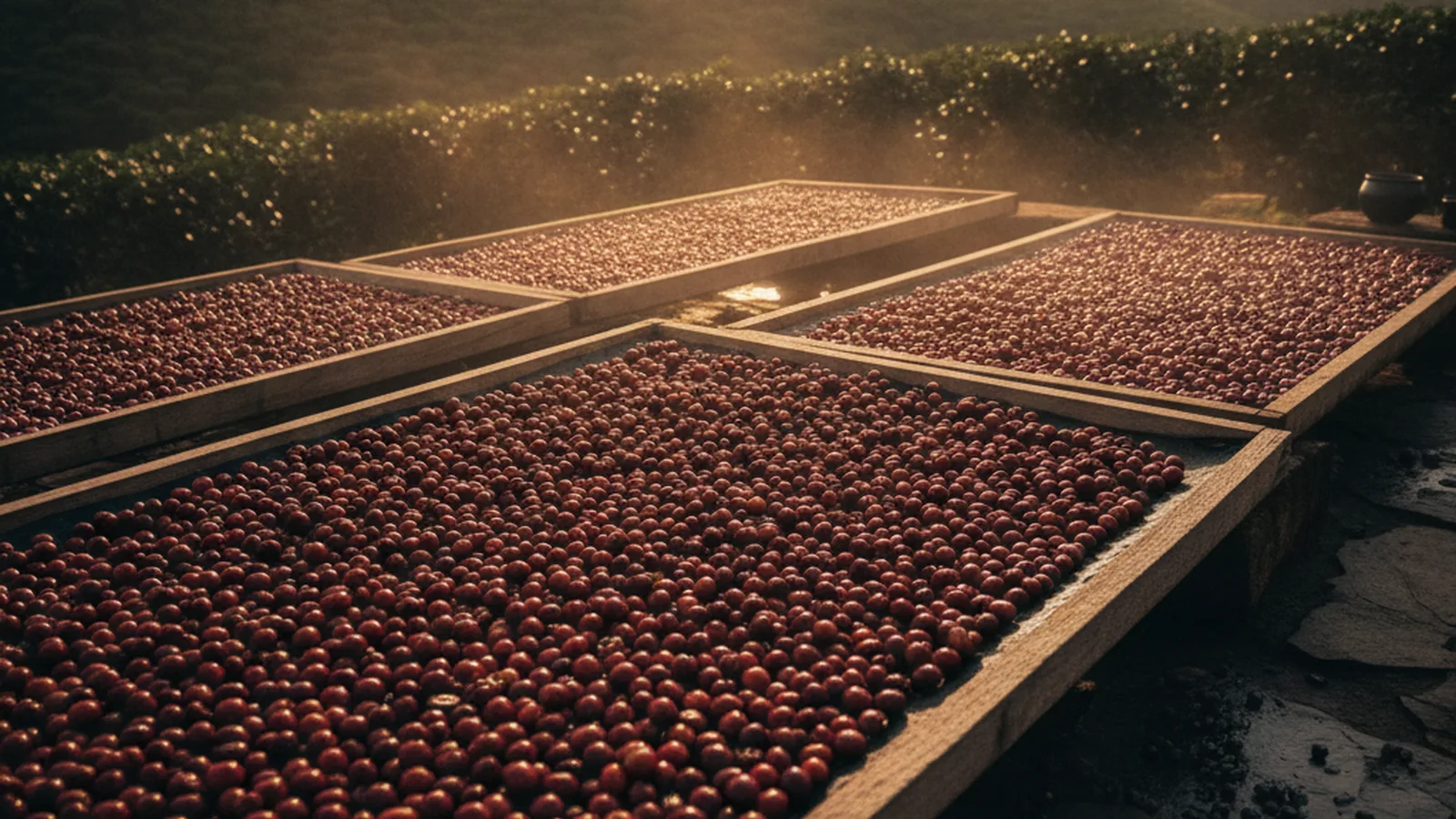
Kenya AA
Kenya AA is a bean-size grade, not a quality score: the real grading table, the separate Class rating system, and a sourced flavor profile from two top lots.
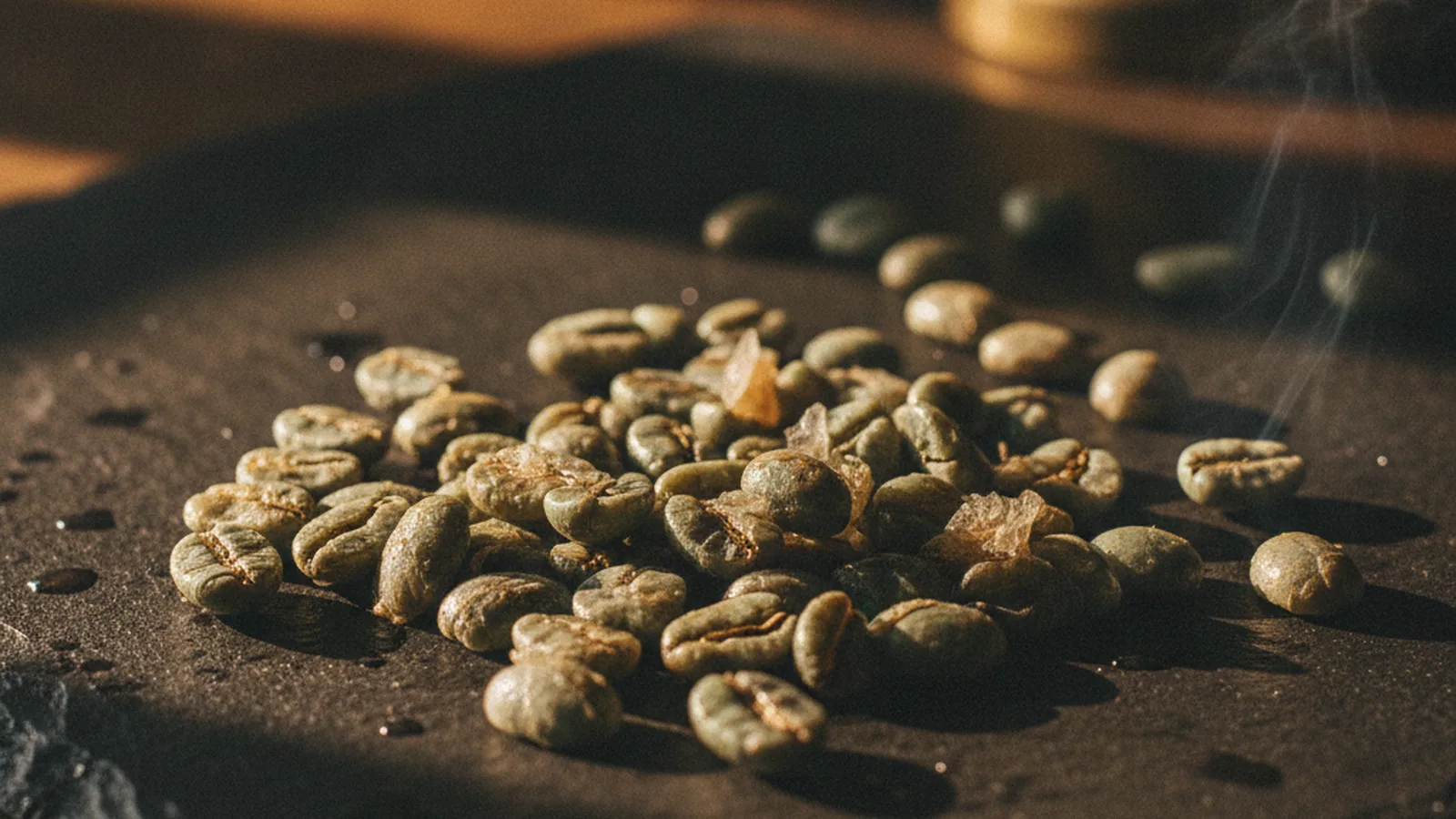
Sumatra Mandheling
Sumatra Mandheling coffee explained through its defining process, wet-hulling, with sourced altitude, real cupping scores, and a citation for every claim.
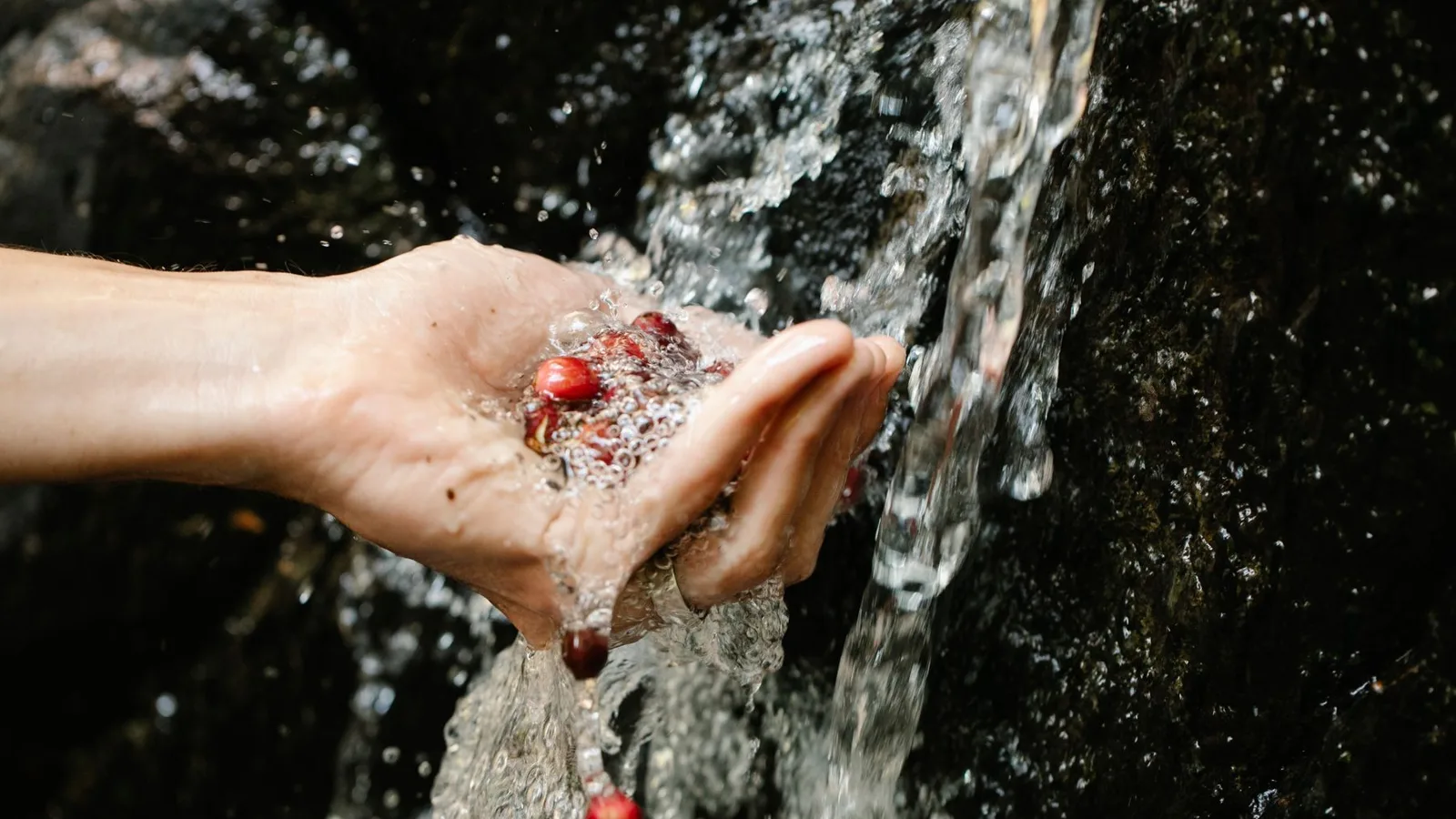
Ethiopia Yirgacheffe
Ethiopia Yirgacheffe, the washed origin that teaches drinkers what clean, floral coffee tastes like, with a sourced flavor profile and real citations.
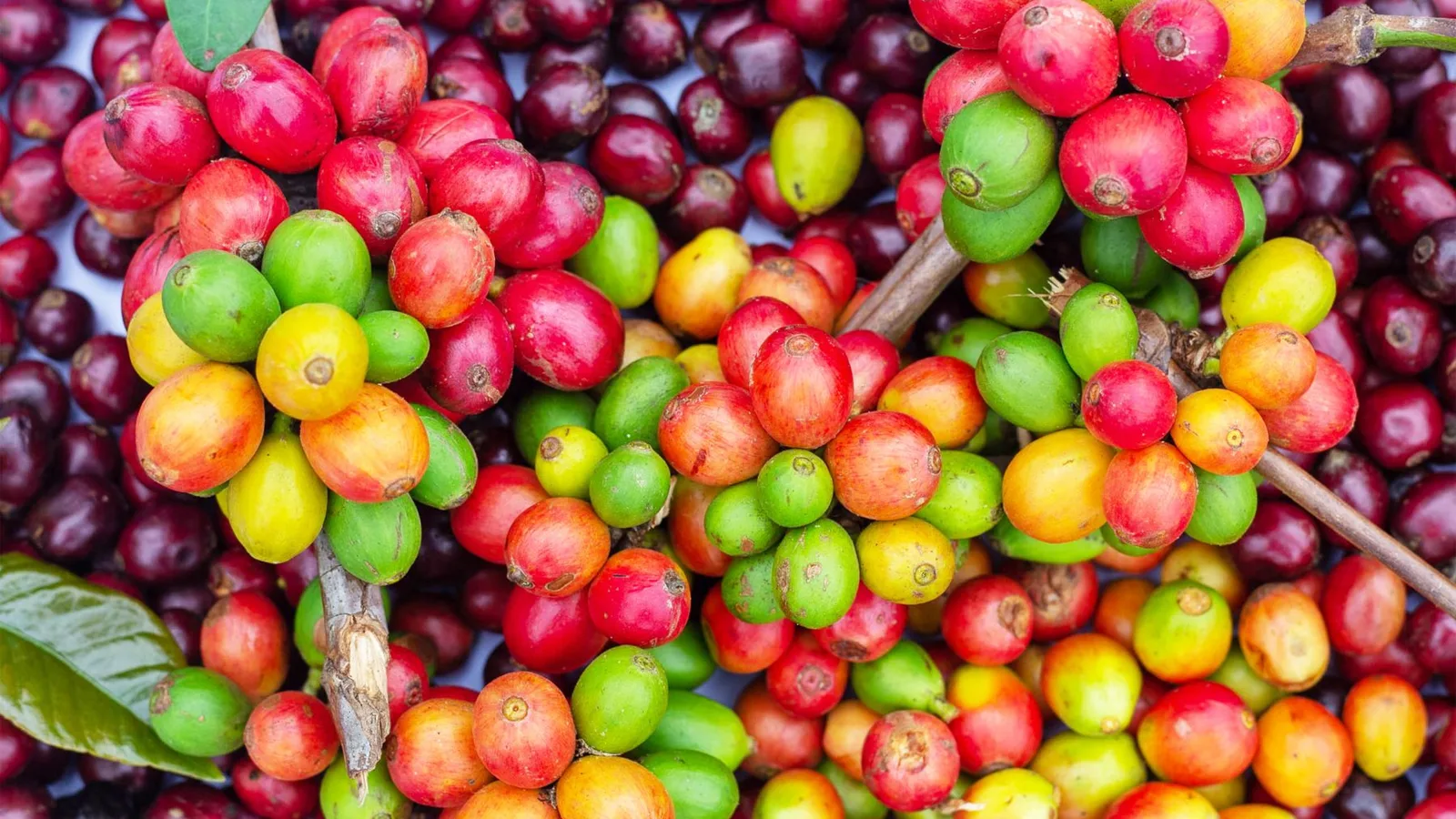
Gesha (Geisha) Coffee
Gesha, the rare Ethiopian varietal that turned Panama's Boquete highlands into the auction world's most expensive coffee, from $21 to $13,705 a pound.
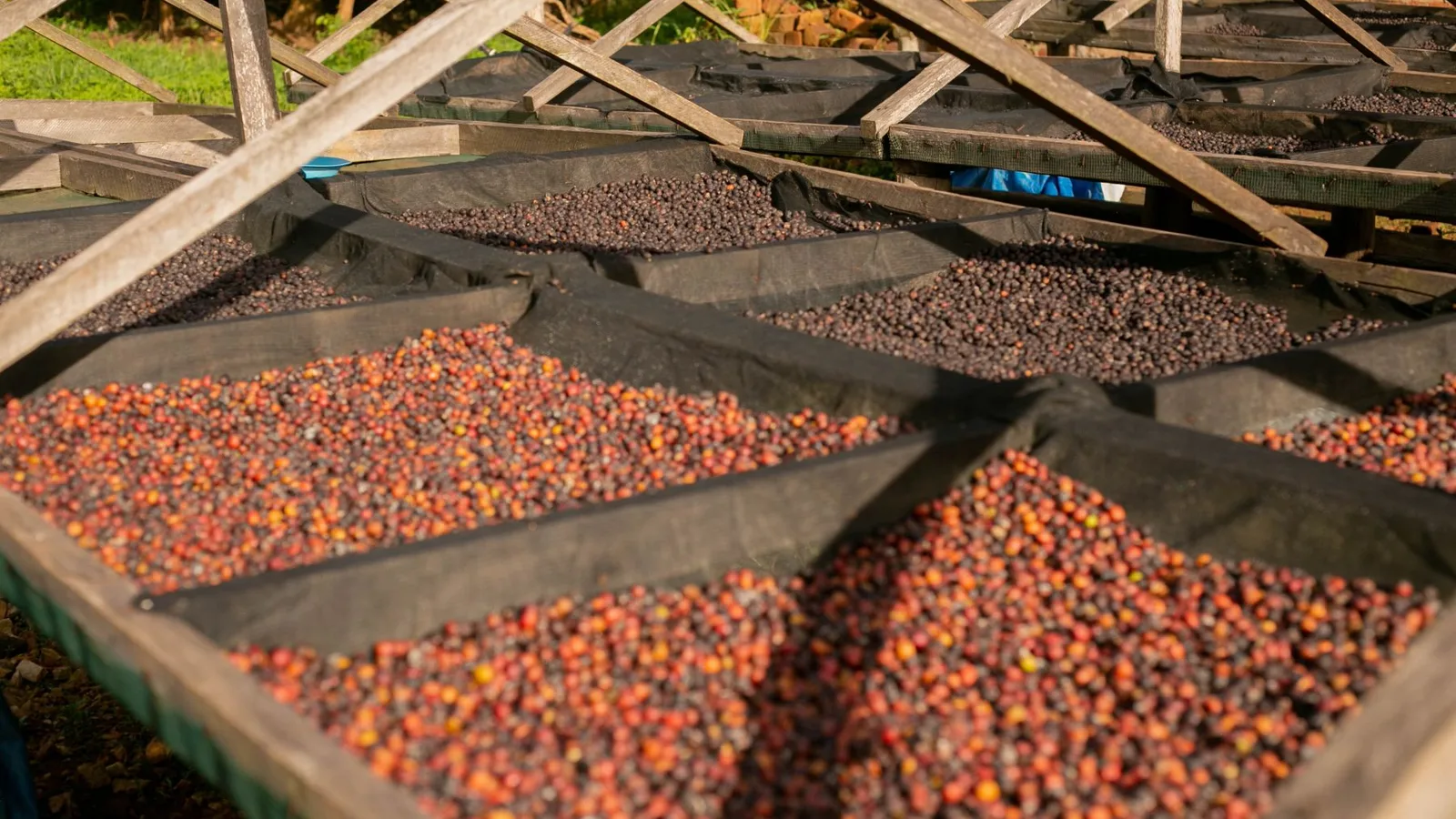
Washed vs Natural vs Honey Coffee Processing
Washed, natural, and honey coffee processing shape acidity, body, and sweetness in different directions: a sourced comparison of all three methods.
Three ways in
Browse the way you think about coffee.
Origins
Where a coffee grows: the altitude, climate, and terroir that set its character before anyone touches it.
Varietals
The plant itself: the cultivars and landraces that decide what flavors are even possible in the cherry.
Processing
What happens after picking: washed, natural, honey, and anaerobic, and how each rewrites the cup.
The standard
Nothing invented. Everything cited.
Every number on every page traces to a named, dated, linked source. An independent reviewer audits each morning's entries before you ever see them. If we can't verify it, we don't publish it.