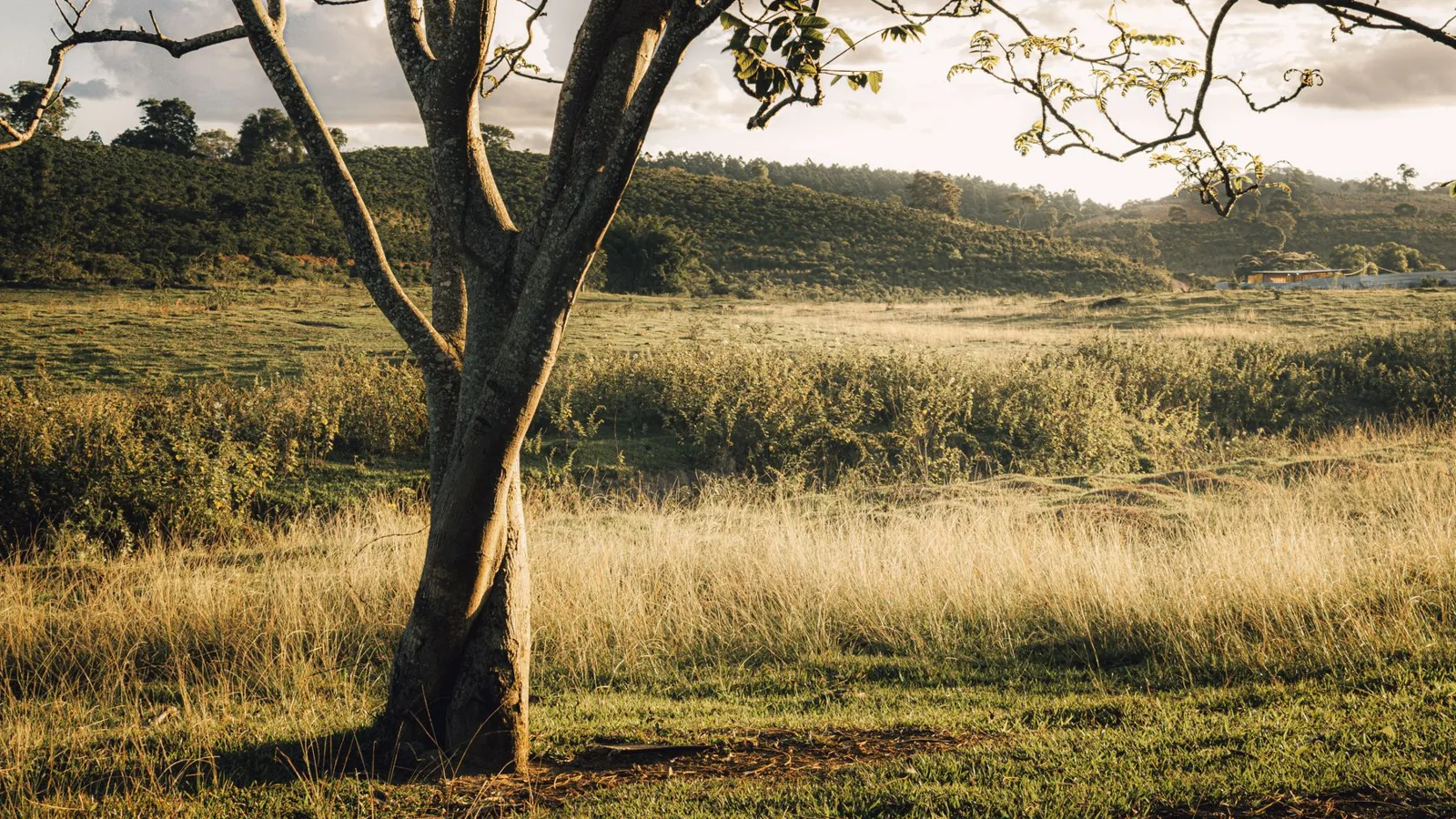
Photo by Kevyn Costa on Pexels
The Coffee Atlas
Brazil Espirito Santo
Brazil Espirito Santo offers bright mountain pulped-natural arabica, with a named lot's altitude, real Coffee Review scores, and cited sources throughout.
Flavor profile
avg. of 2 published reviewsScale: 1-10, Coffee Review / SCA-classic-form convention. Averaged from 2 independently published Coffee Review scores of Espirito Santo lots: a 2013 lot from Atomic Cafe Coffee Roasters (region given only as Espirito Santo State) and a 2016 Montanhas do Espirito Santo pulped natural Catuai from Java Blend Coffee Roasters. Two lots from two different roasters and years is a very small sample: individual lots, roast levels, and processing differ, so treat the averages as a rough shape of the cup, not a regional standard.
What it tastes like
Espirito Santo is a mountain-and-coast state, and its specialty arabica comes from the uplands, including the Montanhas do Espirito Santo zone. Next door, the Caparao region, shared with Minas Gerais (10 municipalities in Espirito Santo, 6 in Minas Gerais), earned its own Denomination of Origin in 2021.
This is not always the usual flat, low-acid Brazil. Coffee Review’s 2016 Java Blend lot, a pulped natural Catuai from the Montanhas zone, was cupped as delicate and crisply tart, with blackcurrant, lemon zest, and carob, a savory edge the reviewer compared to a fine Kenya, and a plush, satiny mouthfeel. Pulped natural means the skin is removed but the beans dry with sweet mucilage still clinging, which adds sweetness and body without the heavy fermented character of a full natural.
The other reviewed lot shows the more familiar Brazilian side. The 2013 Atomic Cafe coffee, from Espirito Santo with no sub-region given, was round and gently rich, with cedar, hazelnut, dark chocolate, soft acidity, and a long sweet-chocolate finish. Two lots cannot define a state, so read the pair as a range: brighter and fruitier from the mountain pulped naturals, rounder and chocolate-led elsewhere. Check the bag for the region, process, and species.
How to brew it
Method fit for this origin · editorial guidance from roaster convention
The mountain pulped-natural lots carry a brisk, sweet-tart acidity that a paper filter keeps clean and legible.
Chocolate and nut depth with sweetness and moderate acidity is the profile roasters commonly use for Brazilian espresso.
Full immersion suits the rounded body, though it softens the lively acidity that sets these lots apart from lowland Brazils.
⚠ Fit tiers are editorial guidance drawn from roaster convention; no industry standard scores brew fit, so we show tiers, never invented numbers. Reflects brew guidance commonly published by specialty roasters for Brazilian pulped-natural and natural lots, not an SCA-defined standard or measured data.
Altitude & region
Growing elevation, meters above sea level · this entry vs comparison bands
The 900-1,000 m figure describes a single lot (see Sources & data), not the whole state or the Montanhas do Espirito Santo zone, so other lots may grow higher or lower. Brazil Cerrado and Kenya AA are shown for scale only, using the same commonly published typical origin ranges used elsewhere in this Atlas, not lot-specific measurements.
Caffeine content
Caffeine by dry weight · each gold dot = 0.1%
Caffeine content tracks species, not origin, altitude, or processing. Arabica and Robusta differ, so the species on the bag matters far more than the state; the mountain lots reviewed here are Arabica. No credible per-origin caffeine figure exists at a category level.
Where to buy it
Transparency: some links on this site are affiliate links; if you buy through them we may earn a commission at no cost to you. Roasters are picked for genuine, current sourcing of this coffee, never for who pays us.
Lists a Brazil Sitio Tomazini lot; Tomazini is an Espirito Santo (Bateia district) producer per a separate roaster listing (The Way To Coffee), not confirmed on this page. Check current availability and lot details on the page.
View lot→Selection varies by seller; check roast date, whole-bean listing, and 100%-Espirito Santo labeling before buying.
View lot→Sources & data
- Coffee Review: Brazil Espirito Santo Pulped Natural, Java Blend Coffee RoastersCupping scores (1 of 2 averaged); August 2016; Montanhas do Espirito Santo, Catuai, pulped natural; blackcurrant, walnut, lemon zest, carob, violet
- Coffee Review: Brasil Sitio Sao Gabriel, Atomic Cafe Coffee RoastersCupping scores (2 of 2 averaged); July 2013; Espirito Santo State; fresh-cut cedar, hazelnut, dark chocolate, orangy citrus; soft acidity
- Noticias Agricolas: Caparao coffee recognized as Geographical IndicationCaparao Denomination of Origin registered February 2021; 16 municipalities, 10 of them in Espirito Santo
- The Way To Coffee: Brazil Espirito Santo, Marcos Tomazini Pulped Natural (Manta Ray Coffee Roasters)Lot-level data: Bateia district, 900-1,000 m, yellow and red Catuai, pulped natural dried in semi-open greenhouses
- Coffee Review: scoring methodologyCoffee Review scoring scale (1-10 attributes); the page gives no per-attribute definitions