The Coffee Atlas
Tanzania Arusha
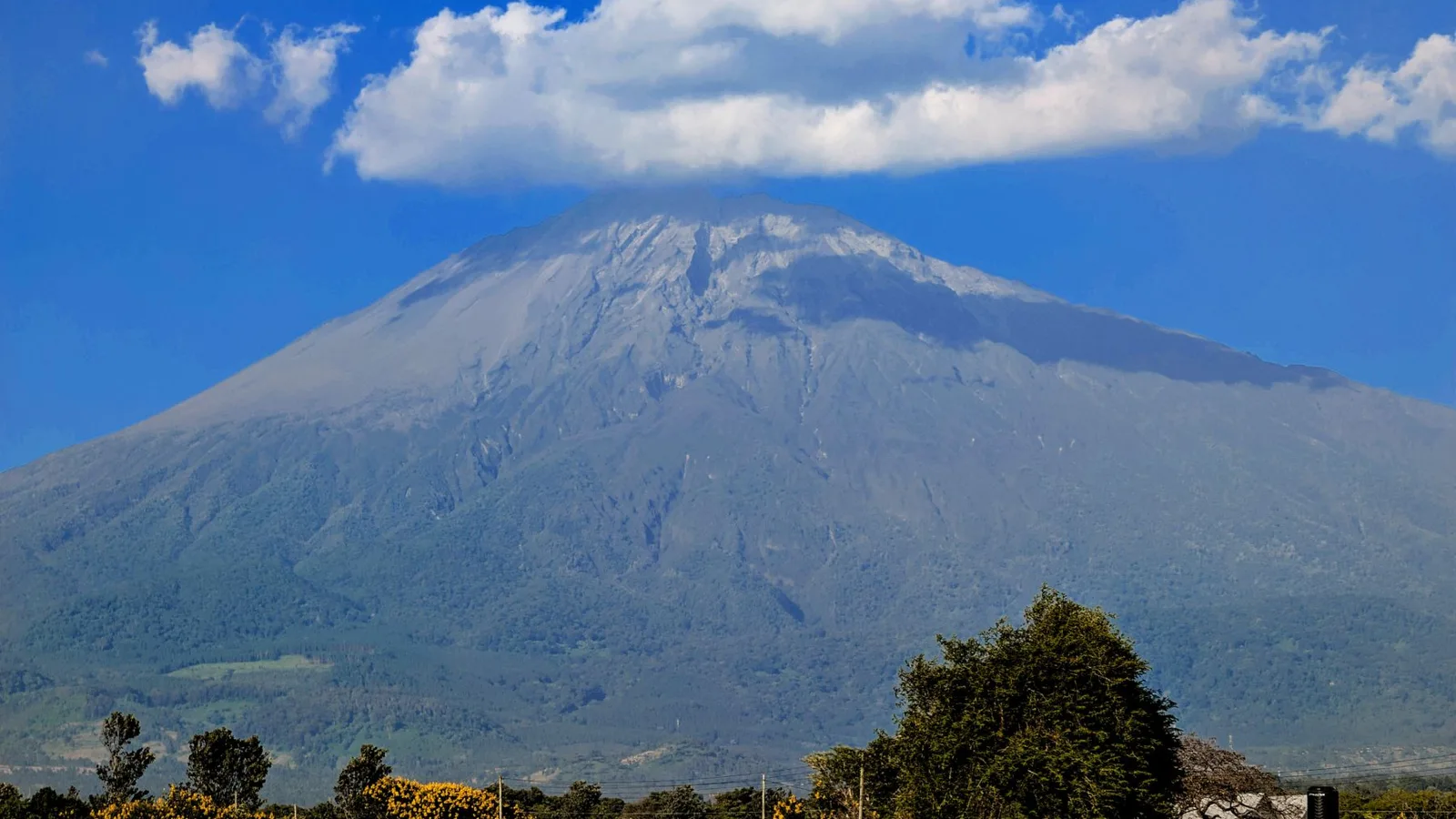
Tanzania Arusha coffee, grown on the slopes of Mount Meru, with a sourced altitude, harvest window, and flavor profile, plus real citations.
Flavor profile
avg. of 2 published reviewsScale: 1-10, Coffee Review / SCA-classic-form convention. Averaged from 2 independently published, dated Coffee Review scores of Arusha-region peaberry lots: Selian Tanzania, Lexington Coffee Roasters (July 2015, scored 92) and Tanzania Ngorongoro Ridge Peaberry, Flight Coffee Co. (February 2019, scored 95). Not a category-wide statistical sample: both are peaberry-grade lots rather than standard AA/AB screen-size lots, the two reviews are four years apart, and individual lots vary.
What it tastes like
Arusha coffee grows around the base of Mount Meru, the volcano that rises beside Kilimanjaro in Tanzania’s Northern Highlands. Genuine Origin’s origin report describes the zone as cooler, with abundant rainfall and volcanic soil, and the washed Bourbon, Kent, and SL-series lots that come out of estates like Burka sit squarely in the 1,250-1,400 m band.
The two Arusha-region lots behind this entry’s flavor profile, both Coffee Review peaberries, read as sweet and bright at once: honey and vanilla under orange or tangerine-zest citrus, with cacao nib or dark chocolate in the base. Both describe a juicy, round acidity and a lightly to fully syrupy mouthfeel, and the 2019 Ngorongoro Ridge lot adds red currant and a long, flavor-saturated finish.
Treat the scores as a pair of data points, not a regional average. Both lots are peaberry-sorted, which concentrates the best beans, so an ordinary AA or AB lot from the same slopes may cup a little plainer; the separate Tanzania Peaberry entry covers what that sorting does and does not change.
How to brew it
Method fit for this origin · editorial guidance from roaster convention
Both cited reviews describe juicy, bright acidity over a sweet, syrupy base; filtered brewing keeps that clarity forward.
The syrupy mouthfeel both reviews note suits full immersion, though it softens the citrus and aromatic top notes.
Roasters commonly find washed Tanzanian lots need careful dialling in for espresso, since the bright acidity can read sharp if under-extracted.
⚠ Fit tiers are editorial guidance drawn from roaster convention; no industry standard scores brew fit, so we show tiers, never invented numbers. Reflects brew guidance commonly published by specialty roasters for washed Tanzanian lots, not an SCA-defined standard.
Altitude & region
Growing elevation, meters above sea level · this entry vs comparison bands
Tanzania Arusha's own range is sourced from Coffeeness's regional altitude breakdown, corroborated independently by Genuine Origin's origin report (see Sources & data). Kenya AA and Ethiopia Yirgacheffe are shown for scale using this Atlas's own previously published typical ranges, not lot-specific measurements.
Caffeine content
Caffeine by dry weight · each gold dot = 0.1%
Caffeine content tracks species, not origin, altitude, or processing: Robusta beans contain almost twice as much caffeine as Arabica (see Sources & data). This entry is 100% Arabica; no credible per-origin caffeine figure exists at a category level, so the comparison above is by species only, not a measurement of this specific lot or grade.
Where to buy it
Transparency: some links on this site are affiliate links; if you buy through them we may earn a commission at no cost to you. Roasters are picked for genuine, current sourcing of this coffee, never for who pays us.
Has sold a washed Tanzania Arusha Burka Estate lot (Kent, Bourbon, SL28, SL34) as a medium-dark roast; lots rotate, so check current availability.
View lot→New Hampshire roaster whose Arusha-region Ngorongoro Ridge Peaberry scored 95 at Coffee Review in 2019; Tanzanian lots rotate, so check what is currently on the shelf.
View lot→Selection varies by seller; check roast dates, confirm the bag names Arusha or the AA/AB/peaberry grade rather than a generic Tanzania blend, and read seller reviews before buying.
View lot→Sources & data
- Coffeeness: Tanzania Coffee: Truly World-ClassNorthern Highlands (Arusha, Kilimanjaro, Meru, Pare) altitude band of 1,250-1,400 masl, July to December Arabica harvest, Bourbon, Kent, Typica, N39 varieties for Tanzania overall, predominantly wet processing
- Genuine Origin: Tanzanian Coffee Revealed (Jan 2024 origin report)Independently corroborates the Arusha / Mount Meru / Northern Highlands 1,250-1,400 masl band, cooler climate with abundant rainfall and volcanic soil; Tanzania's harvest begins in July and can run to December; Bourbon and Kent are typical varietals
- Driftaway Coffee: Tanzania Arusha Burka EstateBurka Estate lot at 1,344 m near the base of Mt. Meru; Kent, Bourbon, SL28, SL34; washed process; estate established 1899 per the seller
- Coffee Review: Selian Tanzania, Lexington Coffee RoastersCupping scores (1 of 2 averaged); Arusha growing region, Mt. Meru; peaberry lot, July 2015
- Coffee Review: Tanzania Ngorongoro Ridge Peaberry, Flight Coffee Co.Cupping scores (2 of 2 averaged); Arusha Region, washed Bourbon peaberry lot, February 2019
- Coffee Review: scoring methodology1-10 attribute scale definition
- Crozier et al.: Espresso coffees, caffeine and chlorogenic acid intake (Food & Function, 2012)Peer-reviewed (Univ. of Glasgow), archived copy via the Wayback Machine: states robusta coffee beans contain almost twice as much caffeine as arabica, by species (no percentage figures given in this paper)