“Light roast,” “medium roast,” and “dark roast” are the three words most likely to appear on a coffee bag, and they are also some of the least understood. Most people read them as a proxy for strength, on the theory that dark equals bold equals more caffeine. None of that is really true. Roast level is a measurement of how far a bean has traveled through a chemical process, applied heat rearranging the bean’s sugars, acids, and aromatics into what ends up in your cup, and it changes flavor, body, and acidity far more than it changes caffeine. Understanding what actually happens inside the drum makes a roast level label tell you something real.
What actually happens during roasting
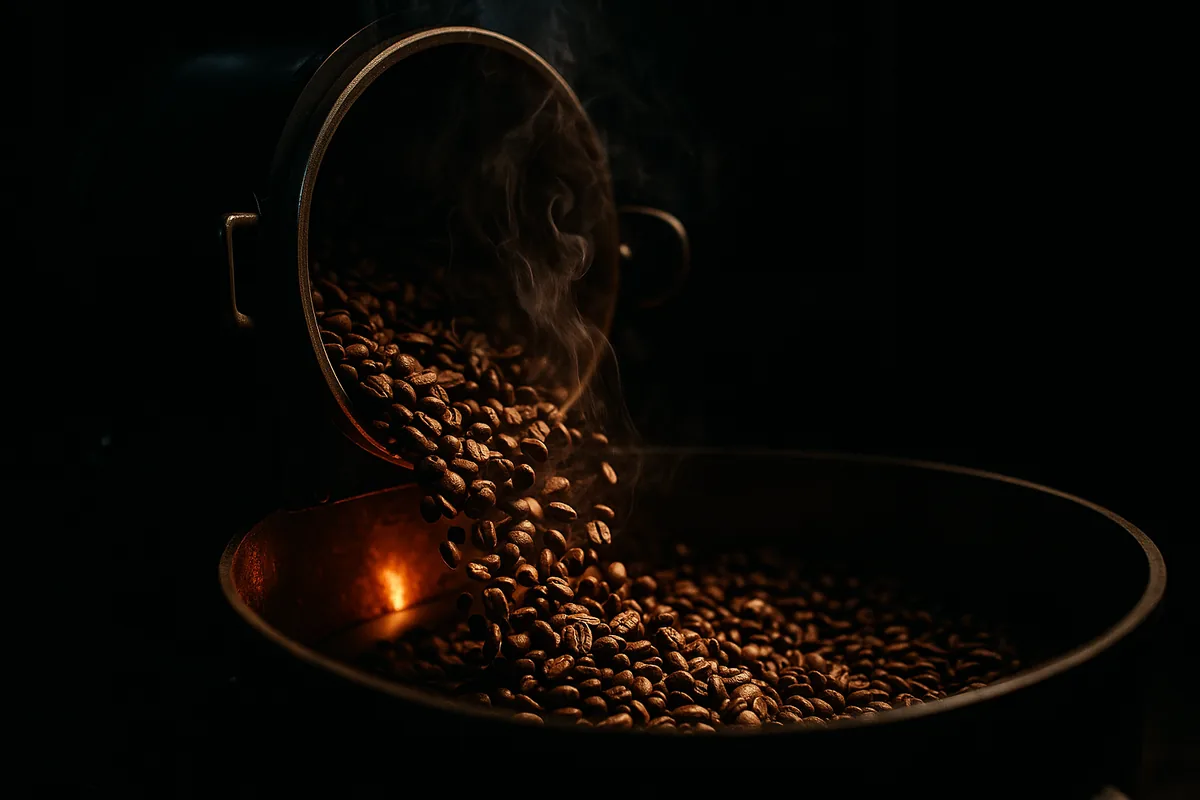
Roasting takes a green, grassy-smelling seed and turns it into something aromatic and soluble in five overlapping stages.
Drying. Green coffee holds roughly 10 to 12 percent moisture, and the first phase of roasting is simply cooking that moisture out. According to Blackout Coffee Co, this stage accounts for roughly 40 percent of total roast time, as the bean shifts from green to a pale yellow and starts absorbing heat energy it will spend in the next two stages. Nothing that reads as “coffee flavor” has happened yet.
The Maillard reaction. Starting around 140 to 165°C, amino acids and reducing sugars in the bean start reacting under heat, the same browning reaction that happens on seared meat or toasted bread. This is where the hundreds of new flavor and aromatic compounds that make coffee taste like coffee, rather than like a roasted seed, actually form. Caramelization runs alongside it, breaking down sugars directly and building the sweetness that balances acidity in the finished cup.
First crack. Around 196°C, the buildup of steam and carbon dioxide inside the bean’s cell structure exceeds what the cell walls can hold, and they fracture audibly, an actual popping sound close enough to popcorn that it is the standard reference point everyone in roasting uses. MTPak Coffee treats it as the defining milestone a roast profile is built around, and it is also the point every roast level from here gets measured from.
Development time. Everything after first crack is development, and it is the stage that actually decides where a batch lands on the light-to-dark spectrum. Roasters commonly track it as development time ratio, the percentage of total roast time spent after first crack begins. Perfect Daily Grind gives a concrete example: pulling a batch 40 seconds after first crack on a 10 minute 30 second total roast works out to about 6 percent development, a short, light-leaning roast. Stop shortly after first crack and you get bright acidity and delicate, sometimes tea-like character. Extend development and caramelization deepens, acidity softens, and body builds, until eventually you cross into second crack.
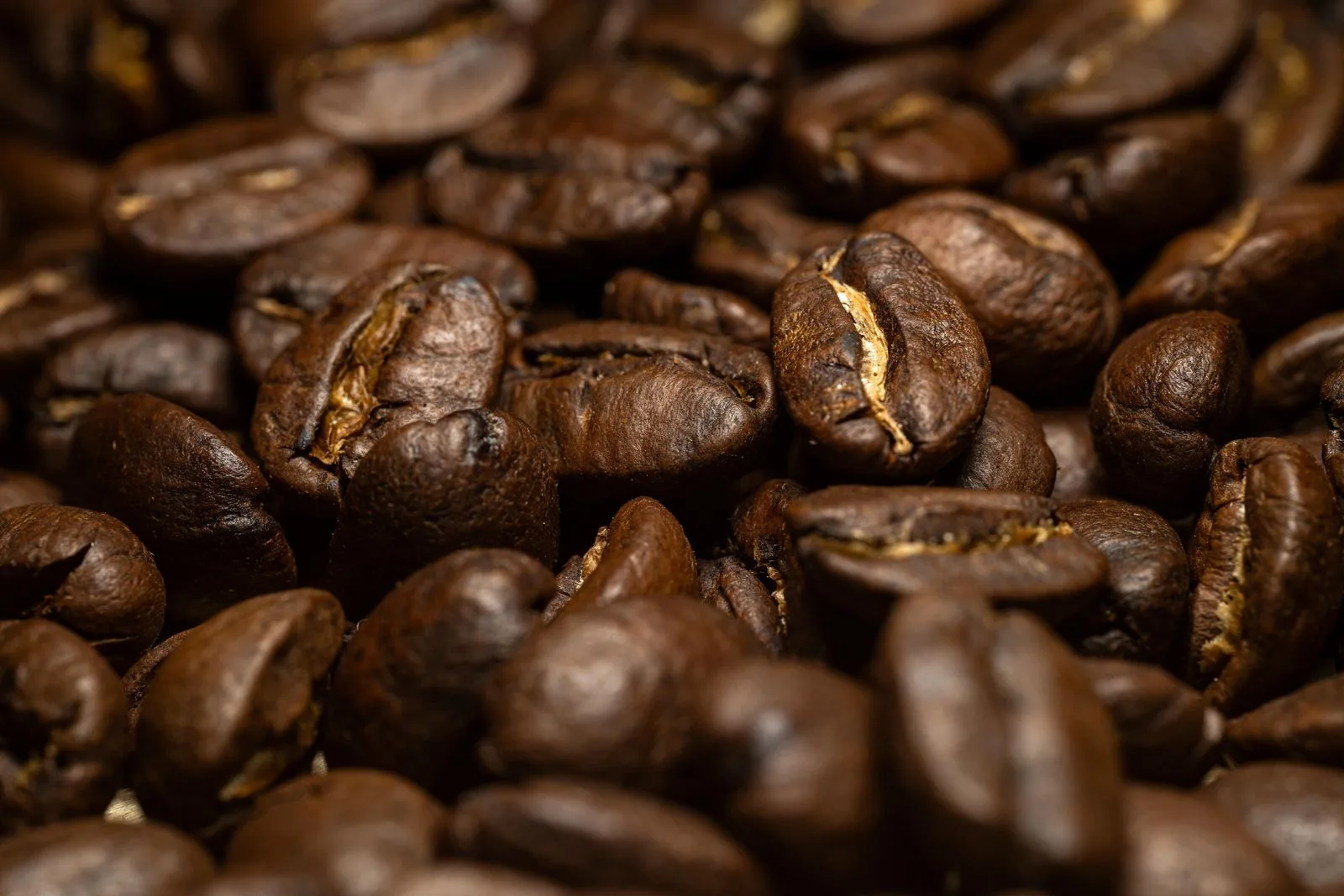
Second crack. Around 224°C, a second, quieter and sharper fracturing sound signals that the bean’s cell structure is breaking down further under continued CO2 pressure, and oils that were previously locked inside the bean start migrating to the surface, which is why very dark beans look visibly oily and lighter beans do not. Push roasting well past second crack and you move from dark into the territory of burnt, smoky, ashy flavor with acidity essentially gone.
What light, medium, and dark actually do to the cup
Coffee Review, which uses the Agtron scale (a standardized infrared measurement of how much light a roasted bean reflects, where higher numbers mean lighter roasts) to classify the coffees it scores, puts working numbers on the three categories most bags use loosely.
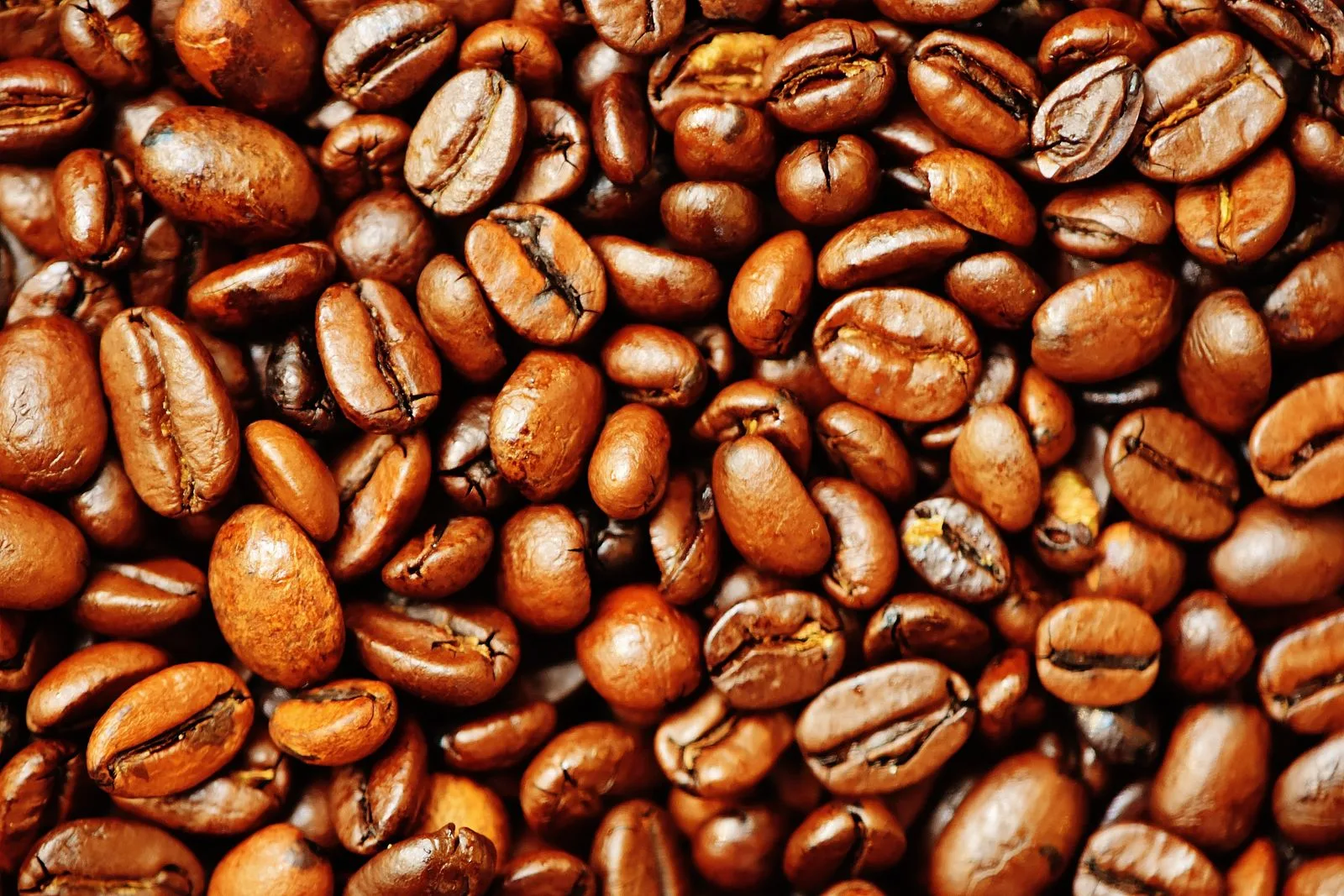
Light roast sits around Agtron 80 and above, pulled at or shortly after first crack. Expect a light brown to cinnamon color, no surface oil, subtle body, and the most acidity and origin character you will get from a given bean, since less of the sugar and acid content has been broken down or caramelized away. This is the roast level that lets a washed Kenyan taste distinctly like a washed Kenyan rather than like roasted coffee in general.
Medium roast lands around Agtron 60 to 70, roughly the middle of common development time. The bean surface is still dry, but acidity softens and body fills out compared with light roast, while origin character generally remains identifiable. For most drinkers, this is the roast level that reads as “balanced,” neither sharp nor heavy.
Dark roast falls to Agtron 40 to 50 and below, well past second crack for the darkest examples. Surface oil becomes visible, acidity drops close to zero, and roast flavor itself, bittersweet, sometimes smoky, starts to dominate over whatever the bean’s origin contributed. Body can read as heavier in mouthfeel even though the bean has physically lost mass and become more porous, because roast-derived compounds and surface oils add perceived weight on the palate that pure acidity and delicate aromatics do not.
None of these levels is objectively better, and Coffee Review is explicit that, the burnt and underdeveloped extremes aside, no single roast degree necessarily beats another; it depends on what a given green coffee can support and what the drinker is after. A Sumatran natural built for heavy, earthy body can take a darker roast without losing much, since it never had bright acidity to protect in the first place. A high-grown Ethiopian natural loses its entire reason for existing if you roast the fruit character out of it.
The caffeine myth, and why it persists
The assumption that dark roast means more caffeine is close to backwards, and understanding why requires separating two different questions: how much caffeine is in the bean, and how much caffeine ends up in your cup.
Caffeine is a heat-stable alkaloid, and roasting does not meaningfully destroy it the way it breaks down more fragile acids and sugars. What changes instead is mass: beans lose moisture, chaff, and volatile compounds as roasting progresses, so a darker bean weighs less than a lighter roast of the same green coffee. That mass loss is the entire basis for the dark-roast-has-more-caffeine assumption, on the logic that if caffeine mostly survives while everything around it burns off, it should end up more concentrated per gram in a darker bean.
A controlled study out of Berry College and Drexel University, covered by Daily Coffee News, tested that assumption directly, roasting Ethiopian coffee to five precise levels, brewing each with an identical 15:1 water-to-coffee ratio, and measuring caffeine by HPLC, a precise lab method for separating and quantifying chemical compounds. The result ran the other way. Lighter roasts generally produced more caffeine in the finished brew, and caffeine peaked at medium roast, in beans that had lost roughly 14 to 16 percent of their mass, then declined again in the darkest roasts. It is one study rather than a settled body of literature, but the researchers’ own framing matters as much as the number: brewing variables affect caffeine more than roast level does, and the differences between roast levels were small next to what dose, ratio, and extraction do to a cup’s strength.
There is a practical trap hiding inside this, and it is about how you measure your dose rather than the beans themselves. Because darker beans lose mass and expand in size, they are also less dense. Scoop coffee by volume rather than weighing it, and a level scoop of dark roast contains fewer grams of actual coffee than the same scoop of light roast, since the beans take up more space per gram. Weigh your dose on a scale instead of scooping, and roast level stops being a caffeine variable worth worrying about at all; it becomes what it actually is, a flavor decision.
How roast level should guide your brew method
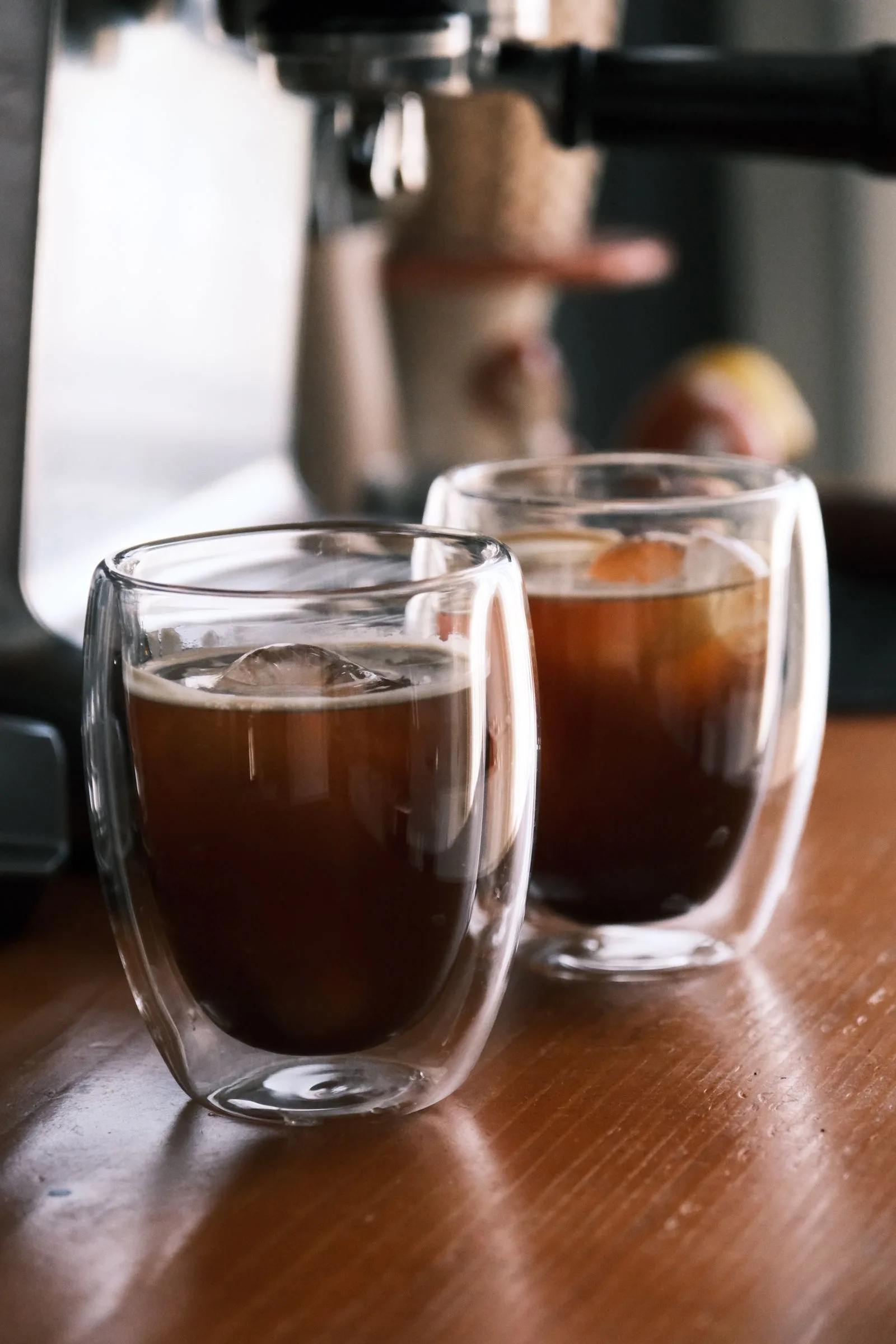
Roast and brew method interact more than most people account for. Light roasts carry more acidity and less porosity, so they extract more slowly and can taste sour or thin if you under-extract them the way you might get away with on a dark roast; pour-over and drip, methods that let you control contact time and see the result immediately, suit light roasts well because they reward that precision. Dark roasts are more porous, extract faster, and carry enough roast-derived bitterness on their own that they are more forgiving of an imprecise grind or a slightly long brew, which is part of why traditional espresso leaned dark for so long, though third-wave espresso increasingly uses lighter roasts specifically to showcase acidity under pressure. French press and other immersion methods suit the fuller body of medium to dark roasts particularly well, since the metal filter lets oils through that a paper filter would catch, amplifying exactly what those roasts do best. Cold brew traditionally favors medium-dark roasts for a smooth, chocolatey profile, since cold extraction pulls out less acidity to begin with, though light roast cold brew has become its own category for drinkers chasing fruit-forward clarity over the classic cold brew flavor.
Reading roast level on a bag
Most specialty bags now state roast level directly, Light, Medium, or Dark, sometimes alongside older traditional names like City Roast, Full City, Vienna, or French Roast that map roughly onto that same spectrum from lightest to darkest. A shrinking number of roasters print an actual Agtron number, which is the most precise version of the same information. If a bag says nothing at all about roast level, that is itself worth treating as a small red flag about how much attention went into the rest of the label. Whatever the roast level says, treat the roast date as the more urgent number on the bag: a well-matched roast on stale beans will still taste flat, while a slightly mismatched roast on fresh beans is usually still worth drinking.
Roast level is the second of the two decisions that shape a cup before you ever touch a grinder. If you have not settled the first one yet, our origin atlas walks through how variety, altitude, and processing set the flavor a roast can only reveal, not create. Once both are dialed in, our espresso, pour over, and french press guides cover getting the most out of whatever roast ends up in your kitchen.
For more sourced coffee knowledge like this, delivered weekly, subscribe to The Sunday Pour.
Sources & data
- Blackout Coffee Co: How Is Coffee Roasted? Five Stages of the Roasting Process
- Coffee Review: Understanding Roast Definitions for Coffee
- Daily Coffee News: Do Light Roasts or Dark Roasts Have More Caffeine? Study, Maybe Medium
- MTPak Coffee: A Guide to First and Second Crack, Coffee Roasting Basics
- Perfect Daily Grind: What Is Bean Development in Coffee Roasting, and How to Control It?