“Decaf” gets treated like a synonym for “caffeine free,” and the people who search for the real number tend to fall into two camps: someone managing a pregnancy, a heart condition, or a caffeine sensitivity who needs an honest figure, and someone who just noticed their supposedly harmless evening cup keeps them up anyway. Both are right to be skeptical, because the published numbers genuinely do not agree with each other. A trade group puts the range at 2 to 15mg per cup. A peer-reviewed lab test found some brewed samples at effectively zero and others pushing past that entire range. And Starbucks’ own posted figure for a grande decaf runs almost double what the same drink measured in a lab. This site’s own instant coffee caffeine content breakdown already showed how much a single category label can hide; decaf hides even more, because the number depends on the bean, the decaffeination method, the roaster, and in at least one documented case, which specific store poured the cup.
The numbers, reconciled
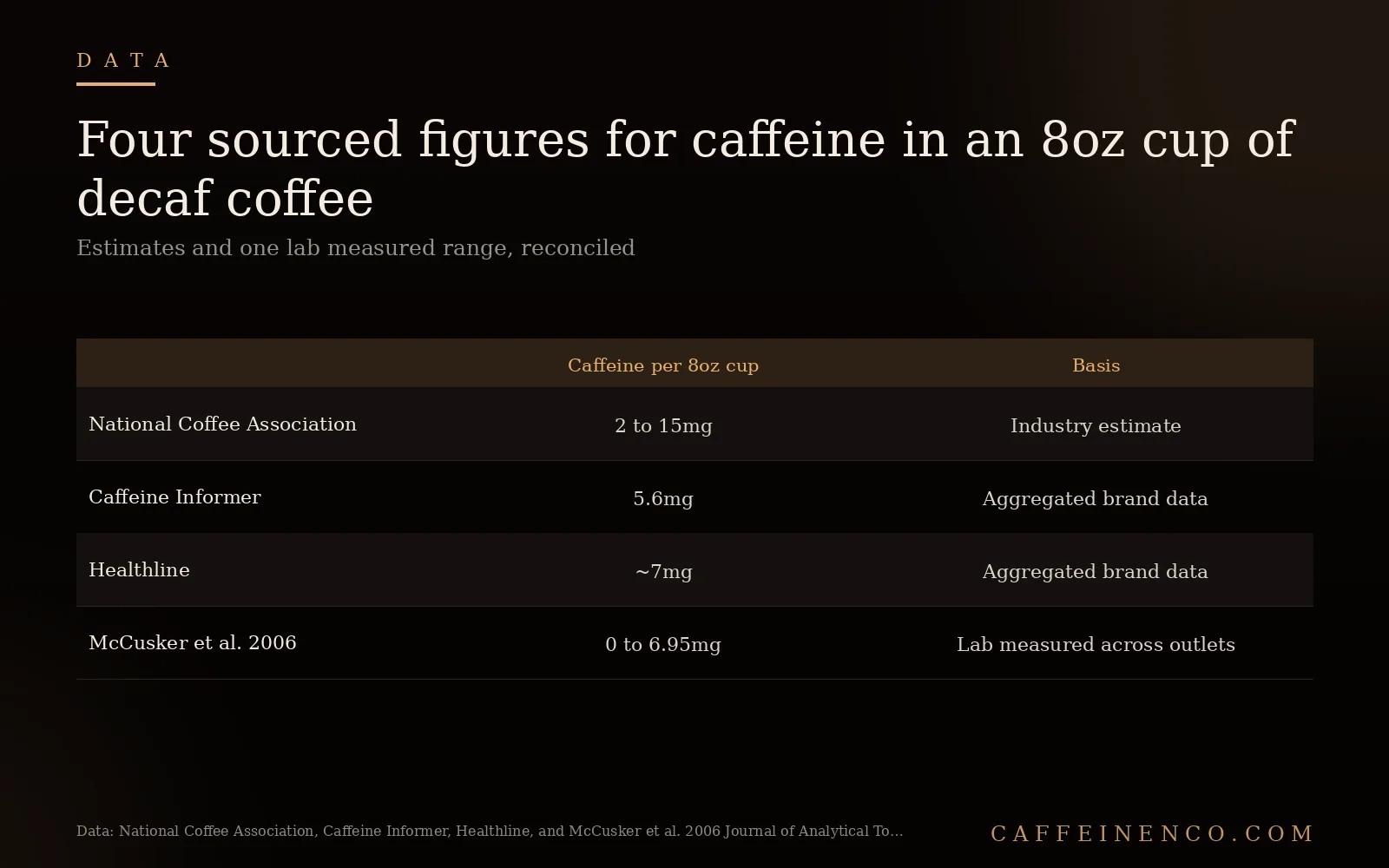
Four sourced figures for an 8-ounce cup of brewed decaf, side by side, tell a more useful story than any one of them alone. The National Coffee Association, the US coffee industry’s own trade group, states that “the decaffeination process typically removes around 97% of the caffeine naturally found in coffee beans, leaving approximately 2 to 15mg of caffeine in your cup,” a wide range presented as a general industry estimate rather than a lab measurement. Caffeine Informer gives a single central figure inside that range: 5.6mg per 8 fluid ounce cup, or 0.70mg per fluid ounce. Healthline lands close by with a slightly higher estimate, stating that “virtually all decaf coffees still contain around 7mg” per 8-ounce cup.
| Source | Figure for 8oz brewed decaf | Basis |
|---|---|---|
| National Coffee Association | 2 to 15mg | Industry estimate, ~97% caffeine removed |
| Caffeine Informer | 5.6mg average | Aggregated brand data |
| Healthline | ~7mg | Aggregated brand data |
| McCusker et al. 2006 (Journal of Analytical Toxicology) | 0 to 6.95mg (scaled from 0 to 13.9mg per 16oz) | Lab-measured, 10 samples across different outlets |
The peer-reviewed figure is the one worth taking most seriously, since it is the only entry in that table built from an actual lab test rather than an estimate or an aggregated average. Researchers writing in the Journal of Analytical Toxicology in 2006 collected 10 decaffeinated coffee samples from different coffee establishments and measured the actual caffeine content of each. The result: a range of 0 to 13.9mg per 16-ounce serving, meaning some brewed decaf samples in their test batch contained no detectable caffeine at all, while others contained roughly what you would expect from the higher end of the trade group’s estimate. Scaled down to a standard 8-ounce cup, that top figure works out to just under 7mg, landing almost exactly on Healthline’s estimate and comfortably inside the National Coffee Association’s stated range. The four sources are not actually contradicting each other so much as describing the same wide spread from different angles: one is a trade-group ceiling, two are aggregated averages, and one is a real measured range that happens to confirm both.
Why decaf never hits zero
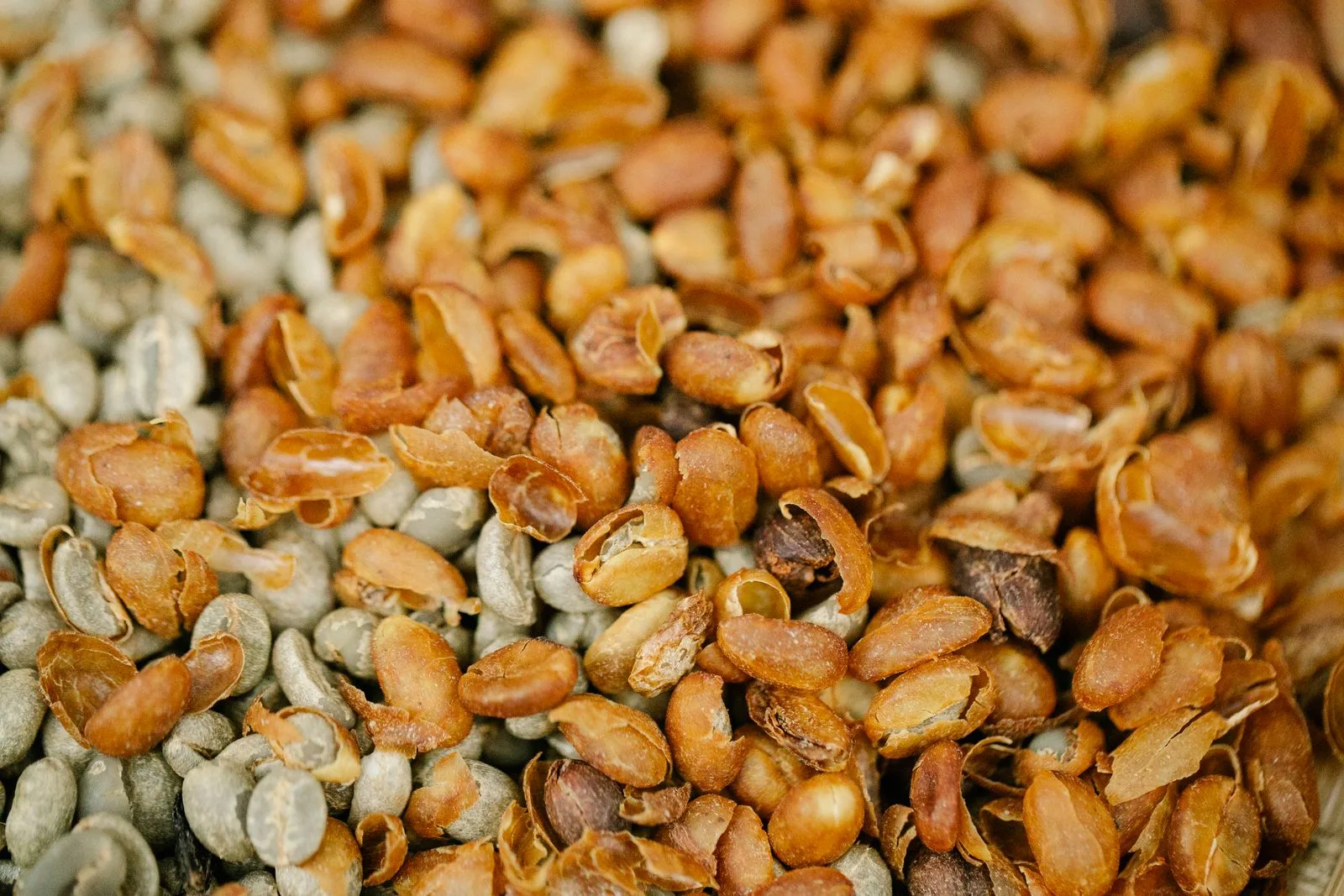
The floor under all four of those numbers is regulatory, not accidental. Healthline reports that decaffeinated coffee sold in the US must meet “USDA regulations requiring decaf not exceed 0.10 percent caffeine on a dry basis,” a residual-limit standard rather than a flat removal percentage. The European Union takes a similar but distinct approach: this site’s own guide to how decaf coffee is made covers the primary legal text directly, EU Directive 1999/4/EC, which sets a hard 0.3% anhydrous-caffeine ceiling for products labeled decaffeinated coffee extract. Neither standard requires zero, because getting to true zero would mean stripping out enough of the bean’s other compounds to leave a cup that no longer tastes or smells like coffee at all.
That regulatory floor is also why the specific decaffeination method matters less to the final cup than most people assume. The Swiss Water Process, sugarcane (ethyl acetate), and CO2 methods covered in that same atlas guide remove roughly 99.9%, 97%, and 95 to 99% of a bean’s original caffeine respectively, all comfortably clearing the residual-limit bar regardless of which one a roaster uses. What actually varies more than the method is the starting point: Arabica beans carry roughly 1.0 to 1.5% caffeine by dry weight before decaffeination begins, while Robusta carries roughly 2.0 to 2.5%, per the peer-reviewed spectroscopy research cited in that guide. A 97%-effective method applied to a Robusta bean can still leave more residual caffeine in the cup than a 95%-effective method applied to an Arabica bean, simply because it started from a higher baseline. The removal percentage on a bag tells you less than it sounds like it does without knowing the bean underneath it.
The Starbucks discrepancy: menu math versus a lab test
The clearest illustration of how far published figures and measured reality can drift apart comes from a single chain tested both ways. Caffeine Informer’s page on Starbucks decaf lists what it calls the official Starbucks caffeine amounts for brewed decaf: 15mg for a short, 20mg for a tall, 25mg for a grande, and 30mg for a venti, a figure that scales in a straightforward, almost mechanical way with cup size. But the same page notes that “other independent tests found different results,” pointing to the McCusker study above.
That study did not just sample random outlets. Its second phase specifically collected six Starbucks brewed decaf samples and six Starbucks decaf espresso samples from the same outlet to check how much the number moves even within a single chain. The measured range for Starbucks brewed decaf: 12.0 to 13.4mg per 16-ounce serving, a grande. Starbucks’ own listed grande figure is 25mg, roughly double what the lab measured. The decaf espresso samples showed even more spread: 3.0 to 15.8mg per shot, a more than five-fold difference between the weakest and strongest shot pulled from the same store.
Neither number is necessarily wrong. A company-listed figure is typically a conservative, rounded estimate meant to hold up as an upper bound across thousands of locations and countless individual pours, while a six-sample lab test from one outlet in one year captures real variation but is too small to stand in for the whole chain, and the underlying study is now two decades old, tested against a single outlet rather than a representative sample of stores nationwide. What the discrepancy actually demonstrates is the honest answer to “how much caffeine is in decaf”: less than the listed figure, on average, if this one measured batch is any guide, but with enough shot-to-shot and cup-to-cup variability that no single number, official or measured, fully describes every cup poured under that label.
How much the brand and the batch change the answer
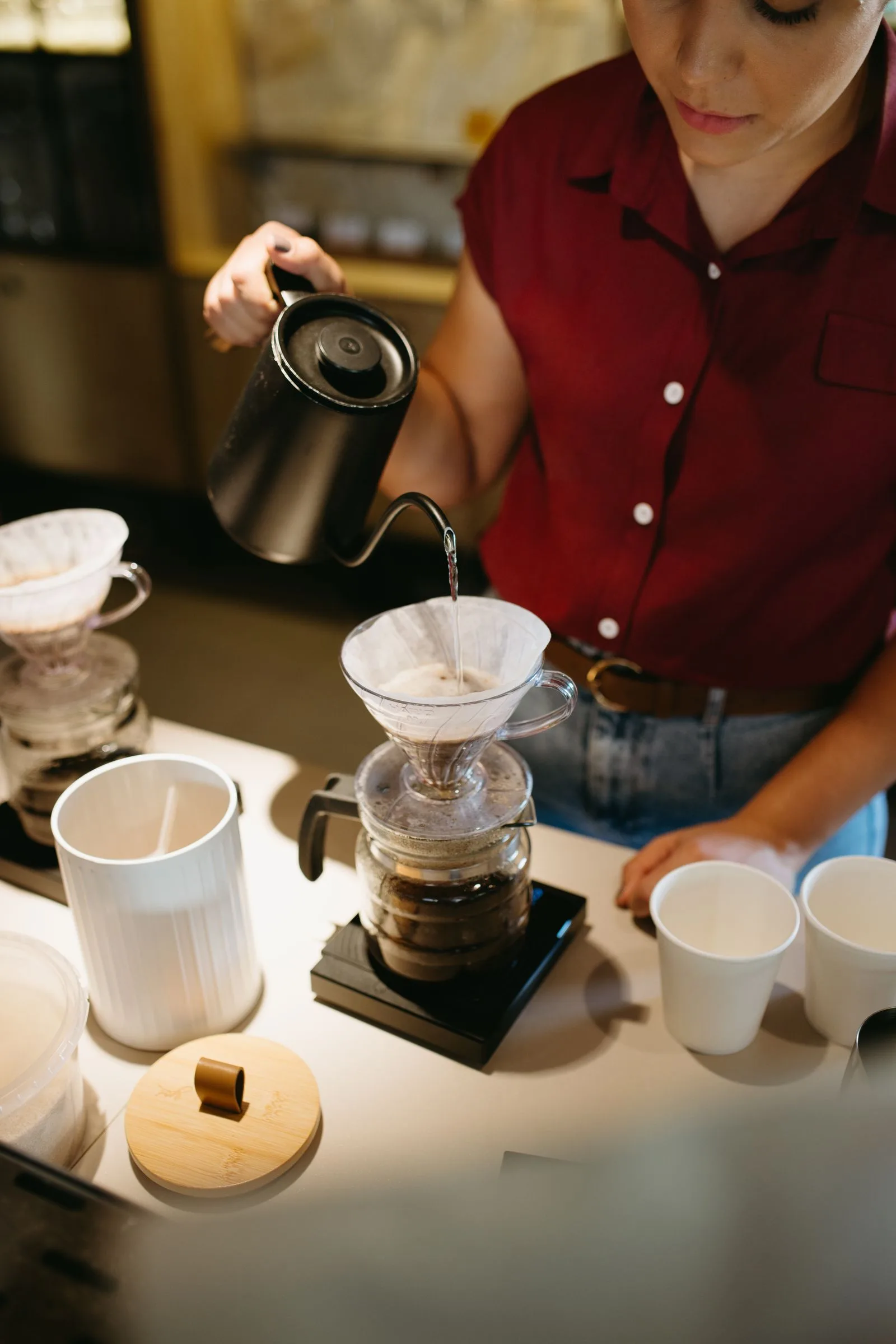
The same McCusker research makes a point that matters more than any single chain’s figure: caffeine content in decaf coffee varies across brands and outlets, not just within one chain’s own machines. Ten decaf samples collected from different coffee establishments spanned the full 0 to 13.9mg per 16-ounce range described above, meaning the identity of the roaster and the store poured wider results than any single-chain test could show on its own. Healthline’s separate figures for Dunkin’ Donuts decaf, 7 to 15mg depending on cup size, sit inside that same span, distinct from but overlapping with the Starbucks numbers above.
This variability tracks with what this site’s caffeine in an espresso shot guide already establishes for regular coffee: extraction time, grind, dose, and even how firmly a barista tamps the grounds all move the final number, and none of that mechanical variability disappears just because the beans were decaffeinated first. A decaffeinated bean still absorbs and releases whatever caffeine survived the removal process according to the same brewing physics as a caffeinated one. The bean changed before it ever reached a grinder; the brewing did not get any more predictable because of it.
Worked example: estimating your own decaf cup
- Start from 5 to 7mg as your baseline assumption for an 8-ounce cup of brewed decaf, the range where Caffeine Informer’s average and Healthline’s estimate both land, and where the McCusker lab data’s upper measured value also falls once scaled down from a 16-ounce serving.
- Adjust down, not to zero, if you are drinking a chain coffee tested directly. The measured Starbucks range above works out to roughly 6 to 6.7mg per 8 ounces for brewed decaf, meaningfully below that chain’s own published per-size figures.
- Adjust up for decaf espresso specifically. McCusker’s decaf espresso samples ranged 3.0 to 15.8mg per shot, a wider spread than brewed decaf showed, so a decaf latte or cortado is a less predictable bet than a plain decaf brewed cup.
- Treat any single figure as an estimate, not a guarantee, if you have a medical reason to avoid caffeine entirely. None of the sourced figures above describe a caffeine-free product; the lowest measured samples in the McCusker study were non-detectable, but that was not true of every sample tested.
- If the sharper caffeine sensitivity itself, not just the total dose, is the real concern, this site’s own coffee on an empty stomach breakdown covers why identical caffeine amounts can hit harder depending on timing, which applies to decaf’s small residual dose the same way it applies to a full-strength cup.
If you are specifically shopping for a low-caffeine option rather than trying to estimate an existing cup, a dedicated decaf coffee selection from 1st in Coffee lists the decaffeination method on each listing, which the numbers above suggest is worth checking before the brand name, or you can browse the same category on Amazon.
Decaf against the rest of this site’s caffeine data
Even at the high end of every range above, decaf sits in an entirely different tier from regular coffee. Healthline puts a standard 8-ounce cup of regular brewed coffee at 70 to 140mg, and cites separate research finding an average 16-ounce regular coffee at approximately 188mg, figures that make even the National Coffee Association’s 15mg decaf ceiling look small by comparison. Set against this site’s own Starbucks brewed coffee breakdown or the reconciled numbers in the instant coffee caffeine content guide, decaf occupies a narrow band under 15mg per cup across every source checked here, while regular coffee formats routinely run 10 to 20 times higher. The gap between decaf and regular is not a rounding difference or a marketing exaggeration; it is the single most consistent fact across every sourced figure in this piece, even though the exact number inside that small band keeps moving depending on who measured it and how.
Common mistakes
Treating “decaf” as a synonym for “caffeine free” is the most common mistake, and every sourced figure above contradicts it: the lowest credible estimate here is 2mg per cup, not zero, and that is a trade-group floor, not a guarantee. Trusting a single chain’s own published number as a lab-verified fact is the second mistake; the McCusker study found Starbucks’ own measured grande decaf at roughly half its listed figure, a large enough gap that anyone counting milligrams for a medical reason should treat any brand’s own posted number as an estimate, not a certified result. Assuming the decaffeination method printed on a bag tells you the final caffeine count is the third mistake; the starting bean, Arabica or Robusta, moves the baseline more than the difference between a 97%-effective and a 99%-effective removal method does. Averaging across brands as if decaf caffeine content were a fixed, stable number is the fourth mistake; the same lab study that measured Starbucks also tested nine other outlets and found results spanning the entire 0 to 13.9mg range, meaning brand and batch matter as much as the decaf label itself.
Common questions
Does decaf coffee have zero caffeine? No. Every sourced figure in this piece puts brewed decaf somewhere between roughly 2 and 15mg per 8-ounce cup, with a 2006 lab test finding some samples with no detectable caffeine and others well within that range. Regulatory standards in the US and EU require caffeine to fall under a residual limit, not to reach zero.
How much caffeine is in a cup of decaf coffee? Most sourced estimates land between 5 and 7mg for a standard 8-ounce cup: Caffeine Informer states 5.6mg, Healthline states approximately 7mg, and a peer-reviewed lab test found a comparable top figure once its 16-ounce serving data is scaled down to 8 ounces.
Is Starbucks decaf coffee actually as low in caffeine as they say? Not according to the one lab test that checked. Starbucks’ own listed figure for a grande brewed decaf is 25mg, but a 2006 study that measured six actual Starbucks brewed decaf samples found 12.0 to 13.4mg, roughly half. The gap likely reflects a company-wide estimate built as a conservative ceiling versus a small, one-time, one-outlet measurement, not that either figure is fabricated.
Does the decaffeination method change how much caffeine ends up in the cup? Less than most people expect. Swiss Water, sugarcane, and CO2 methods all remove somewhere between 95% and 99.9% of a bean’s original caffeine, all well within regulatory residual limits. The bean itself matters more: Robusta beans start with roughly twice the caffeine of Arabica beans before decaffeination even begins.
Is decaf espresso more or less predictable than decaf brewed coffee? Less predictable, per the same lab data. Decaf espresso shots in the McCusker study ranged 3.0 to 15.8mg per shot, more than a five-fold spread, compared to a narrower 12.0 to 13.4mg range for brewed decaf from the same chain.
Is it safe to drink decaf coffee if I need to avoid caffeine completely for medical reasons? Talk to your doctor about your specific threshold, since no sourced figure here describes a truly zero-caffeine product. The National Coffee Association’s own estimate tops out at 15mg per cup, and the lab-measured range in this piece shows real cup-to-cup variation, so “decaf” is a strong reduction, not a guarantee of none.
For more sourced breakdowns like this one, delivered weekly, subscribe to The Sunday Pour.
Sources & data