
You weighed the coffee, used a grinder instead of a blade chopper, and watched the kettle the way every guide tells you to, and the cup still tastes like coffee flavored water: thin, pale in the mouth, more of a suggestion of coffee than the real thing. The instinct is to blame the beans, buy a pricier bag, roast darker, switch origins, and that instinct is usually wrong. Watery or weak coffee traces back to a small, predictable set of mechanical causes almost every time, and most of them are fixable in the next five minutes rather than the next grocery run.
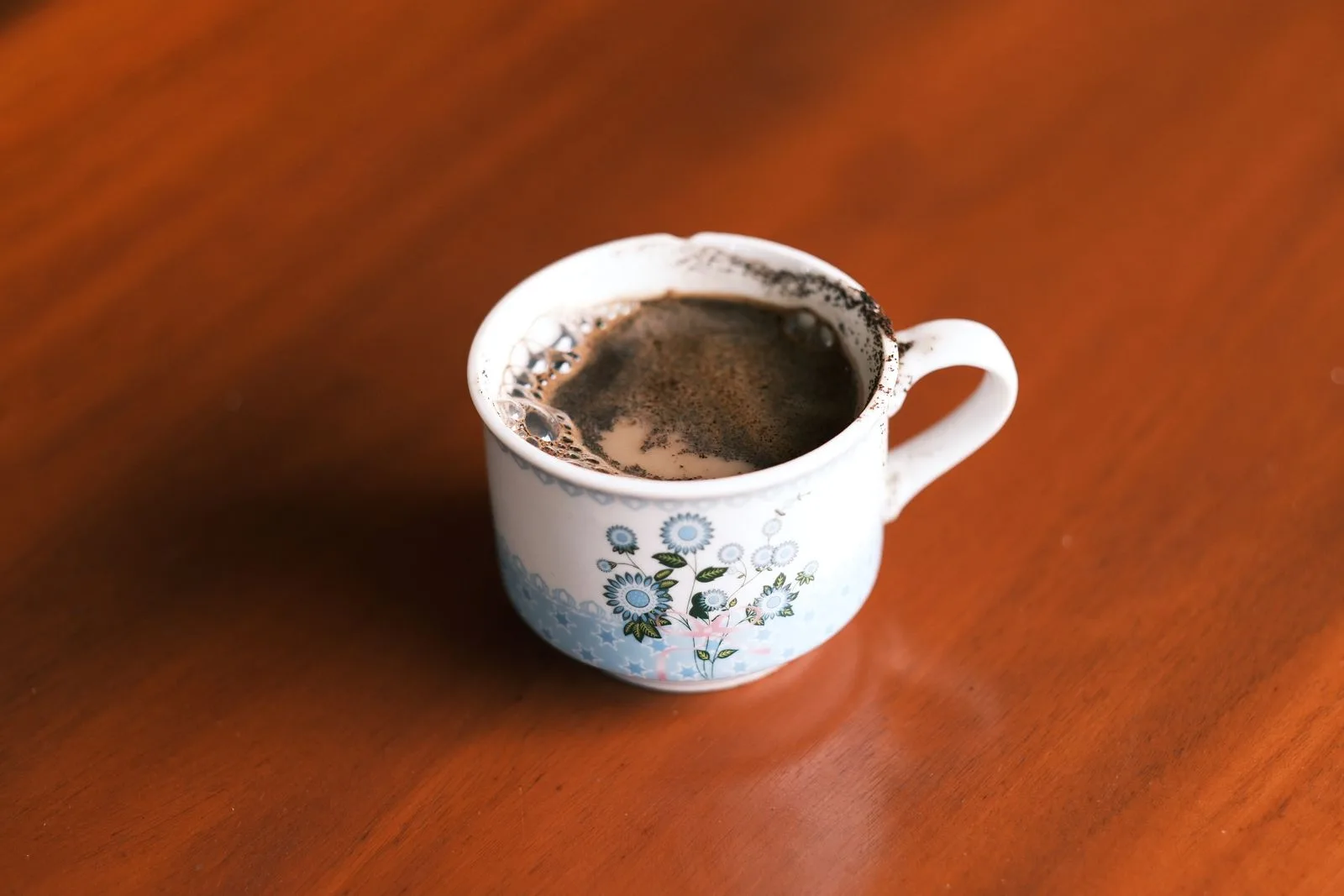
There is a distinction worth making before the ranked list, because it changes which fix actually works. “Weak” and “watery” get used interchangeably, but they describe two different failures. A coffee that is simply diluted, too much water relative to coffee, tastes weak but otherwise clean and balanced: low intensity, thin body, but nothing tastes wrong about it exactly, just underwhelming. A coffee that is under extracted tastes watery in a different, sharper way: thin and often sour or hollow at the same time, because the water never pulled enough flavor out of the grounds in the first place, no matter how much or how little of it you used. Sorting out which one you actually have comes first, since diluting a cup and extracting more out of it are opposite fixes.
Weak from dilution, or weak from under extraction? A two-cup test
Here is a cheap way to tell the two apart without any equipment beyond what you already have. Brew a small second batch, 100 to 150 grams of water is plenty, using roughly double your normal dose of coffee for that amount of water, same grind, same temperature, same method. Taste it against your normal cup.
If the concentrated version tastes like a stronger, better version of the same coffee, rounder, more flavor, still clean, then your problem was dilution: too little coffee for the water you were using, or too much water added after the fact. The fix is more coffee or less water, not a change to grind or time.
If the concentrated version still tastes thin, sour, or hollow even with double the dose, the problem is extraction, not dilution. More coffee alone will not fix it, because the water still is not pulling enough out of each gram of grounds. The fix in that case is grind size, water temperature, or contact time, covered as items two through four below.
Most people who report “weak coffee” are actually describing dilution, since it is the easier mistake to make and the easiest one to overlook, so the list below starts there and works down toward the less common causes.
The real causes of watery or weak coffee, ranked
1. Not enough coffee for the water
This is the single most common cause, and it rarely feels like a mistake in the moment because a scoop looks like a scoop. Brewing convention for most methods lands somewhere between 1:15 and 1:17, coffee to water by weight, and the Specialty Coffee Association’s Golden Cup Standard centers close to 1:18. Drift toward a much higher ratio, more water for the same dose, and you get a cup that is properly extracted but simply weaker in concentration: correct in every way except strength.
Scoop measuring is the usual culprit. A “level scoop” of coffee is not a fixed mass: grind it finer and it packs tighter, so a level scoop of fine grounds weighs more than the same scoop of coarse grounds, and a scoop of light roast weighs more than the same scoop of dark roast because dark roasted beans have expanded and lost density. Two people using “two scoops” from two different bags can end up brewing at meaningfully different ratios without either one doing anything wrong on purpose. A kitchen scale removes the guesswork entirely. Our coffee to water ratio chart has gram figures by method and batch size if you want to weigh your way to a specific target instead of estimating.
2. Your grind is too coarse
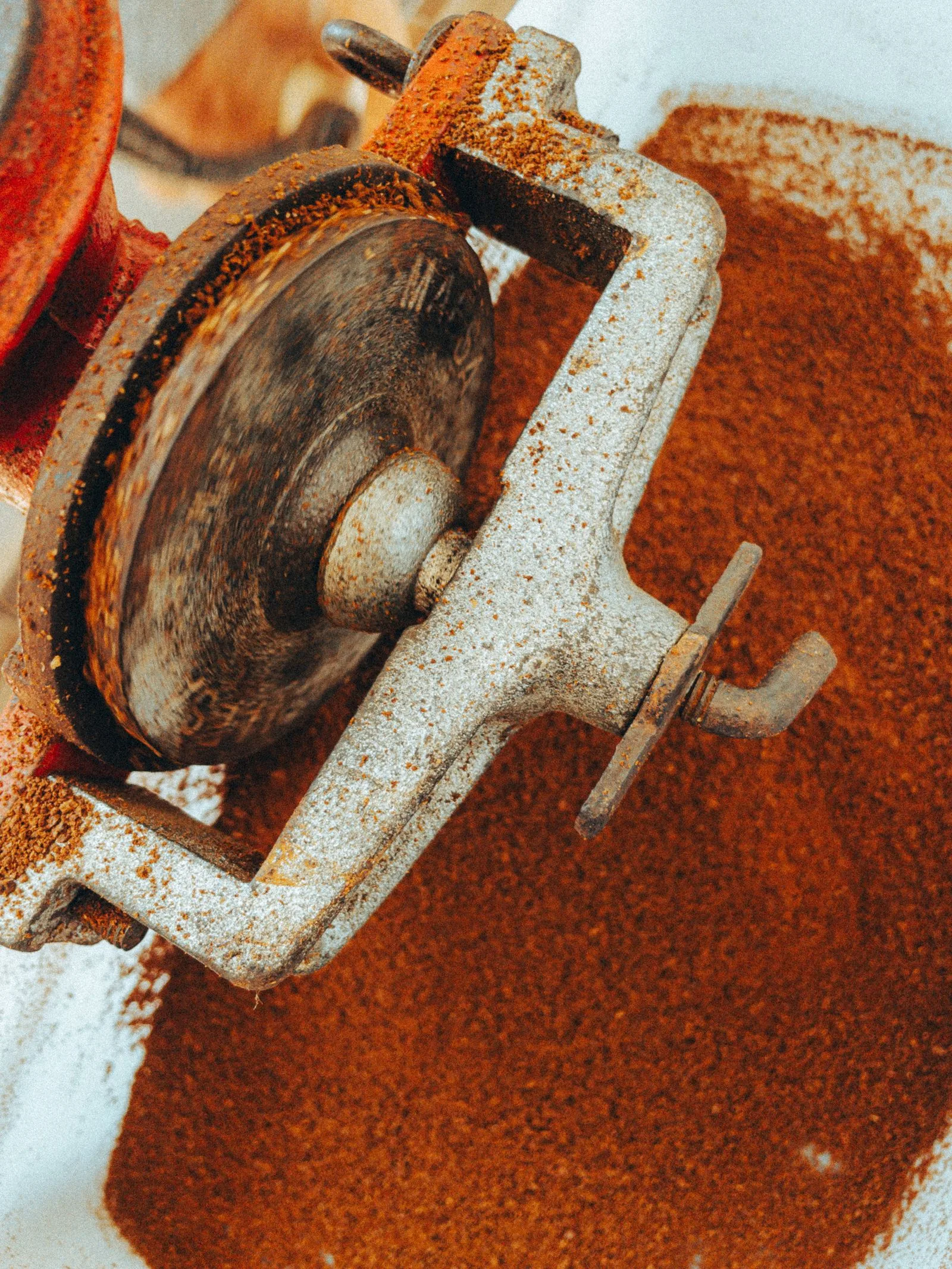
Grinding coarser reduces the surface area of coffee exposed to water, and less surface area means slower, less thorough extraction in the same amount of time. Push the grind coarse enough for a given method and brew time, and the water runs through, or sits with, the grounds without pulling out a full share of the soluble compounds that give coffee its body and sweetness, leaving a cup that tastes thin and underdeveloped even at a correct dose.
Barista Hustle describes under extracted coffee as “sour, lacking sweetness, weirdly salty” with “a disappointingly quick finish,” a description that lines up with what a lot of people mean by watery: not just diluted, but genuinely lacking in the sweetness and depth that only comes from extracting enough of the coffee’s soluble material. The fix is specific to your method rather than a vague “grind finer.” Pour over and drip want a texture close to table salt, French press wants something closer to sea salt, and if you recently switched grinders or are using an inconsistent blade grinder, that inconsistency alone can leave a meaningful share of your grounds too coarse to extract properly even when the average setting looks about right. Our grind size chart has target textures by method if you are unsure where yours should land.
3. Your water is not hot enough
Proper brew water sits just off the boil, in the 195 to 205 degrees Fahrenheit range most brewing guides converge on, and that is not a fussy technicality, it is close to the minimum needed to dissolve coffee’s flavor compounds at a normal brew time. Water that runs meaningfully colder extracts slower and less completely, and according to Tasting Table, many home auto drip machines, aside from the small number certified by the Specialty Coffee Association, simply do not get their water hot enough. The result, in Tasting Table’s words, is a brew that “tastes sour or flat, and lacks body,” which is a fair description of watery coffee from an otherwise correctly measured recipe.
If you brew with an electric kettle, aim for 195 to 205°F, or let water off a full boil rest 30 to 45 seconds before pouring. If you brew with an automatic drip machine, running it through a cycle with just water first can help preheat the internal reservoir and carafe, but the more reliable fix is checking whether your specific model is SCA certified, or, for cheaper machines with weak heating elements, accepting that a manual pour over or French press may simply extract more consistently.
4. Your contact time is too short
Grind size and time do the same job from different angles, both controlling how long water and coffee actually interact, and cutting either one short leaves flavor behind in the grounds. A pour over that should take two and a half to three minutes but finishes in ninety seconds is not giving the water enough time to dissolve a full share of the coffee’s soluble compounds, regardless of grind or temperature. This is the mirror image of the problem covered in our piece on why a pour over stalls and drains too slowly: that guide deals with brews that run too long, this is what happens when one runs too fast.
Fast draining usually comes from too coarse a grind, so check that first, but it can also come from pouring too aggressively, using too little coffee relative to the size of the filter basket, or, for immersion methods like French press, simply not steeping long enough. Four minutes is a reasonable French press target, and cutting that to two or three minutes because you were in a hurry will produce a noticeably thinner cup even with the right dose and grind.
5. The coffee got diluted after brewing
Sometimes the brew itself is fine and the dilution happens afterward. Adding extra hot water to stretch a pot further, or brewing directly onto ice for iced coffee, are the two most common versions of this. Hot coffee poured over ice melts a meaningful amount of that ice almost immediately, and according to Ratio Coffee, “when hot coffee meets ice, the ice melts rapidly, adding water to your drink and lowering its concentration,” which is why a cup that tasted balanced hot can taste noticeably weaker once it has been poured over ice and sat for a few minutes.
The fix for iced coffee is to brew stronger on purpose, since the melt is factored in rather than accidental: something closer to a 1:10 to 1:12 ratio instead of your usual hot brew ratio compensates for the water the ice will add. Brewing directly onto a full glass of ice rather than a few cubes, or letting coffee cool before it meets ice at all, also slows how much melts in the first few minutes. For a pot that is simply being stretched with extra hot water, the fix is more direct: brew a proper batch at the right ratio in the first place rather than diluting a strong pot down after the fact, since stretched coffee tends to taste flatter than a batch brewed weaker on purpose.
6. The beans are stale, or you are using pre-ground coffee
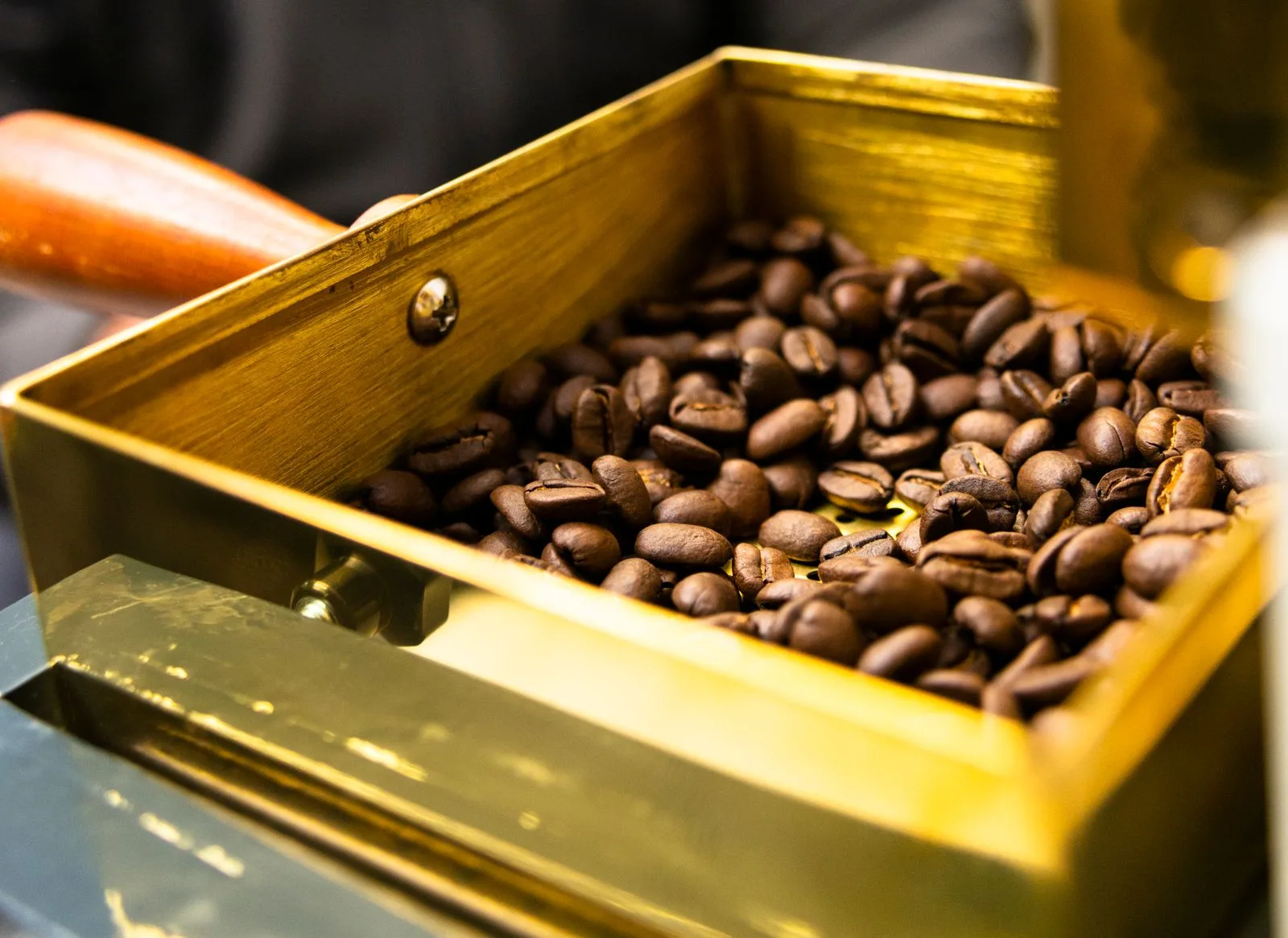
Staling is a slower, quieter cause, and it compounds with everything above rather than replacing it. As coffee ages, oxidation breaks down the aromatic compounds responsible for a complex, full flavor and leaves behind flatter, duller notes. Taste the Latte puts it plainly: “using stale beans will produce a flat, woody, and papery taste,” and notes that ground coffee stales meaningfully faster than whole beans because grinding exposes far more surface area to oxygen. Pre-ground coffee that has been sitting on a shelf, whether store bought or ground at home days in advance, loses a real share of its aromatic lift well before it looks or smells obviously bad.
This rarely produces watery coffee on its own the way a wrong ratio or coarse grind does, but it lowers the ceiling on everything else. A correctly dosed, correctly extracted cup made from beans three months past their roast date will still taste thinner and flatter than the same recipe made with beans two weeks off roast. Buying whole bean coffee, grinding right before brewing, and using beans within roughly two to four weeks of the roast date printed on the bag closes this gap without changing anything else about your technique.
7. Your water is too soft or mineral deficient
The smallest and least common cause on this list, but a real one once everything above is already dialed in. Water needs some mineral content, mainly calcium and magnesium, for coffee’s flavor compounds to bind to and dissolve into during extraction. 43 Factory Coffee’s breakdown of the SCA water quality standard notes plainly that “overly soft or mineral-deficient water produces sour or thin cups,” which matches what shows up in practice with straight distilled or reverse osmosis water used with no minerals added back in: technically pure, but a poor solvent for coffee.
The SCA’s own water standard targets total dissolved solids around 75 to 250 mg/L, with roughly 150 mg/L as a working optimum. If you are brewing with distilled, softened, or heavily filtered water and everything else on this list checks out, that is worth testing next, either with a mineral packet made for coffee brewing or by switching to a filtered but not fully stripped water source. This is the last thing to check, not the first, since dose, grind, temperature, and dilution explain the overwhelming majority of weak or watery cups on their own.
Ranked causes at a glance
| Rank | Cause | What it does | Fastest fix |
|---|---|---|---|
| 1 | Not enough coffee for the water | Correct extraction, low concentration | Weigh dose on a scale, target 1:15 to 1:17 |
| 2 | Grind too coarse | Not enough surface area to extract fully | Match grind texture to your method |
| 3 | Water not hot enough | Slower, incomplete extraction | Brew at 195 to 205°F, check if your machine reaches it |
| 4 | Contact time too short | Water leaves the grounds before extracting fully | Time your brew, fix grind if it runs fast |
| 5 | Diluted after brewing | Extra water or melting ice lowers concentration | Brew stronger for iced coffee, do not stretch a weak pot |
| 6 | Stale or pre-ground beans | Lost aromatics lower the ceiling on flavor | Buy whole bean, grind fresh, use within 2 to 4 weeks of roast |
| 7 | Water too soft or mineral deficient | Little for flavor compounds to bind to | Target roughly 75 to 250 mg/L total dissolved solids |
Common questions
Can I fix a weak cup after it is already brewed? Only in a limited way. If the problem is dilution, reducing the amount of water or ice you add next time is a real fix for the next cup, but you cannot pull water back out of the one in front of you. Re-brewing a small, deliberately strong batch and blending it into the weak cup is the closest thing to a same-day fix, since it raises concentration without needing a whole new pot.
Is weak coffee always about how much coffee I used? No, and that is the easiest mistake to make when diagnosing this. Dose and ratio explain a lot of weak cups, but a coffee brewed at a correct ratio can still taste watery if the grind is too coarse, the water is not hot enough, or the contact time is too short, all of which are extraction problems rather than dilution problems. Run the two cup test above before assuming more coffee is the whole answer.
Does a stronger roast or darker beans fix watery coffee? Not reliably. Roast level changes flavor character, more bitterness and body in dark roasts, more acidity and lighter body in light roasts, but it does not fix a dose, grind, temperature, or dilution problem underneath it. A dark roast brewed too coarse, too cool, or too diluted will still taste thin, just with a different flavor thin. If bitterness rather than weakness is your actual problem, our piece on why coffee tastes bitter covers the opposite end of the same extraction spectrum.
Why does my coffee taste weaker on some days than others with the same recipe? The most common explanation is that something changed without you noticing: a new bag of beans with a different density than the last one, a kettle that is not reaching the same temperature it used to, or a grinder whose burrs have shifted slightly. Weighing both coffee and water rather than trusting scoops or fill lines removes most of this day to day drift, since it is the one variable that is easy to keep truly constant.
Is watery coffee ever a sign the beans themselves are just bad? Occasionally, but it is worth ruling out brewing first since it is the more common explanation by a wide margin. Beans that were underdeveloped during roasting, or that have gone stale well past their best window, can produce a genuinely thin cup independent of technique. But because dose, grind, water temperature, and contact time account for most watery cups, checking those four before blaming the bag is usually the faster path to a fix.
Once dose and grind are dialed in, ratio is the next lever worth getting exact rather than eyeballed. Our coffee to water ratio chart has gram amounts by method and batch size, and our grind size chart covers the right texture for whatever you are brewing with. For more brewing fixes like this one, sourced and reasoned through rather than guessed at, delivered weekly, subscribe to The Sunday Pour.
Sources & data
- Tasting Table: Your Auto-Drip Coffee Maker Probably Doesn't Get Hot Enough, And It Shows In The Taste
- Barista Hustle: Coffee Extraction and How to Taste It
- Ratio Coffee: The Surprising Reason Your Iced Coffee Always Tastes Watery
- 43 Factory Coffee: Dissecting the SCA Water Quality Standard
- Taste the Latte: Why Does Coffee Taste Stale?