A shot that pulls thin, pale, or with almost no foam on top looks broken even when the coffee underneath tastes fine, and a shot with a thick, dark cap can look impressive while tasting flat and over-extracted. Crema gets treated as a scorecard for espresso quality more often than almost anything else about a shot, which is mostly a myth, but persistent thin or missing crema is still worth diagnosing, because it usually points to one specific, fixable problem rather than nothing at all. Two independently written troubleshooting guides converge on the same core causes. Here they are, ranked by how often each one is actually the culprit.
What crema actually is
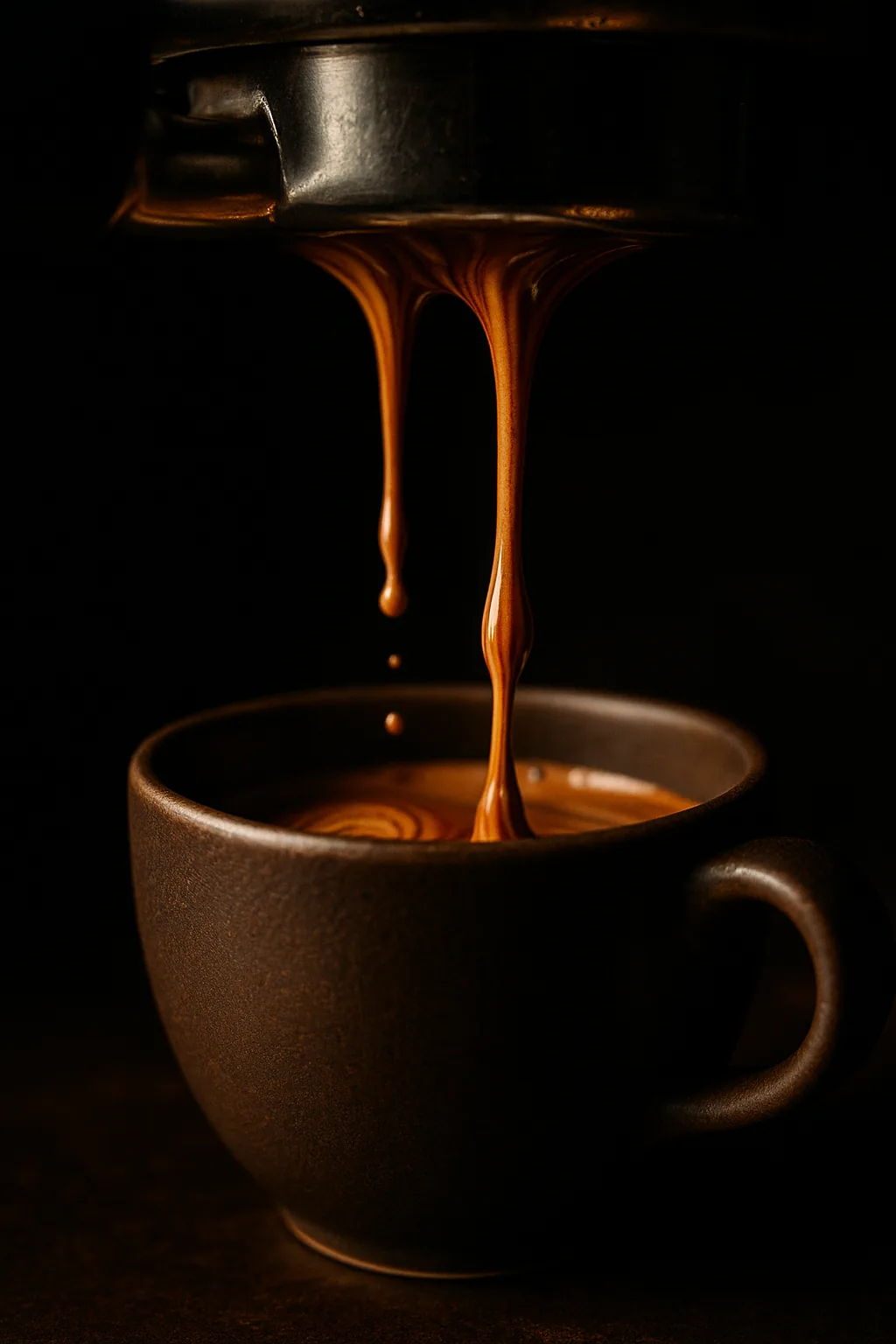
Crema is not foam in the way a cappuccino’s milk foam is foam. According to Breville, it “is created when air bubbles combine with the soluble oils from finely ground coffee during the brewing process,” and it is “a byproduct of the CO2 which naturally occurs in coffee and is emulsified in the process of brewing espresso.” In plain terms: hot water forced through the puck at roughly 9 bars of pressure knocks carbon dioxide out of the freshly roasted beans and emulsifies the coffee’s natural oils into microscopic droplets. The CO2 forms tiny bubbles; the emulsified oils coat and stabilize them. That is the caramel-colored layer sitting on top of a good shot, and it means crema formation depends directly on two things being present and correct at the same time, gas that has not yet escaped the beans, and oils that get properly emulsified under pressure. Nearly every real cause of thin or missing crema traces back to one of those two ingredients being short.
The five real causes, ranked
1. Stale beans. Both sourced guides put this at the top, and Mastering Coffee calls it “by far, the most common reason crema disappears.” Beans lose the CO2 that crema formation depends on steadily after roasting, and both guides put the danger zone at beans older than roughly 4 to 6 weeks off roast, past which there simply is not enough trapped gas left to build a proper cap. Complete Home Barista adds a detail Mastering Coffee does not: beans that are too fresh, within 2 to 3 days of roasting, can also resist forming stable crema, because the CO2 output is so aggressive and uneven at that stage that it disrupts the emulsion rather than supporting it. The two sources together sketch a real window: somewhere past the first few days but comfortably inside 4 to 6 weeks is where most beans crema best.
2. Grind too coarse. Mastering Coffee is direct about the mechanism: “If your grind is too coarse, water rushes through the puck too quickly,” which under-extracts the shot and starves it of the dissolved oils and compounds crema needs. Complete Home Barista’s diagnostic table lists the same failure mode, describing pale, thin crema as the signature of under-extraction from too coarse a grind or a shot that ran too fast. This is usually the second most common cause after bean age, and it is the fastest one to test: if a shot pulls noticeably faster than the roughly 25 to 30 second window most espresso recipes target, grind is the first thing to check.
3. Insufficient machine pressure. Real espresso needs pressure in a specific range to emulsify oils into a stable foam. Mastering Coffee states espresso extraction depends on “around 9 bars of pressure.” Complete Home Barista is more specific about the failure threshold, noting that “machines below 7 to 8 bar at the puck struggle to emulsify crema” at all. Entry-level or aging machines that cannot reliably hit that range, or a machine with a worn pump or a scale-clogged boiler dragging pressure down, will produce a thin, unstable crema no matter how fresh the beans or how well the puck is prepped.
4. Wrong dose or ratio. A shot pulled too long relative to its dose dilutes the extraction and thins out the crema along with everything else in the cup. Mastering Coffee flags shots that stretch to roughly 1:3 or 1:4 coffee to water instead of a standard 1:2 as a common, overlooked cause, distinct from grind, since a correctly ground shot can still run long if the dose itself is off or the machine’s programmed volume is set too high.
5. Dirty equipment. The one cause named by only one of the two sources, but worth including since it is common and easy to check. Mastering Coffee points to old coffee oils building up in the group head, portafilter, and basket over time, which interferes with even water flow and extraction quality. A quick backflush and a wipe of the group head and basket rules this out in under a minute and costs nothing.
Reading the crema you’re getting
Complete Home Barista’s diagnostic table is useful for going from symptom back to cause faster than working through the list above in order.
| What you see | Most likely cause |
|---|---|
| Pale, thin crema | Under-extraction: grind too coarse, or shot pulled too fast |
| Crema forms, then vanishes within seconds | Beans past their prime, generally 3 to 6 or more weeks post-roast |
| Dark, bitter-looking crema | Over-extraction: grind too fine, or shot pulled too slow |
| Almost no crema at all | Stale beans (most common), low machine pressure, or beans within a few days of roasting |
The myth: does more crema mean better coffee?
No, and both sourced guides are explicit about this. Crema thickness is not a purity or quality signal on its own; it is mostly a function of bean freshness and roast level, not how good the coffee actually tastes. A very dark roast typically produces a thicker, more persistent crema than a light roast pulled at an identical dose and pressure, simply because darker roasts carry more surface oil and a different CO2 profile, not because the shot underneath is better. Judging a shot by how much foam sits on top, rather than by taste, is the single most common misunderstanding about crema. Treat thin crema as a diagnostic clue worth investigating, not as proof the coffee is ruined, and treat a thick cap as pleasant to look at, not as confirmation the shot is dialed in.
The fix, in order
Work through these in the order they are ranked above, since fixing the most common cause first saves you from chasing a machine problem that was never there.
- Check your roast date first. If your beans are past 6 weeks off roast, that is very likely your answer before you touch anything else. If they are within the last 2 to 3 days of roasting, let them rest a few more days before judging crema.
- Grind slightly finer and re-pull. If the shot is running fast, under about 25 seconds, tighten the grind and try again before adjusting anything else.
- Confirm your machine’s pressure. If you have a pressure gauge or portafilter pressure kit, verify you are genuinely reaching somewhere close to 9 bars during the shot. If your machine is old or has visible scale buildup, a descale is worth doing before assuming the beans or grind are at fault.
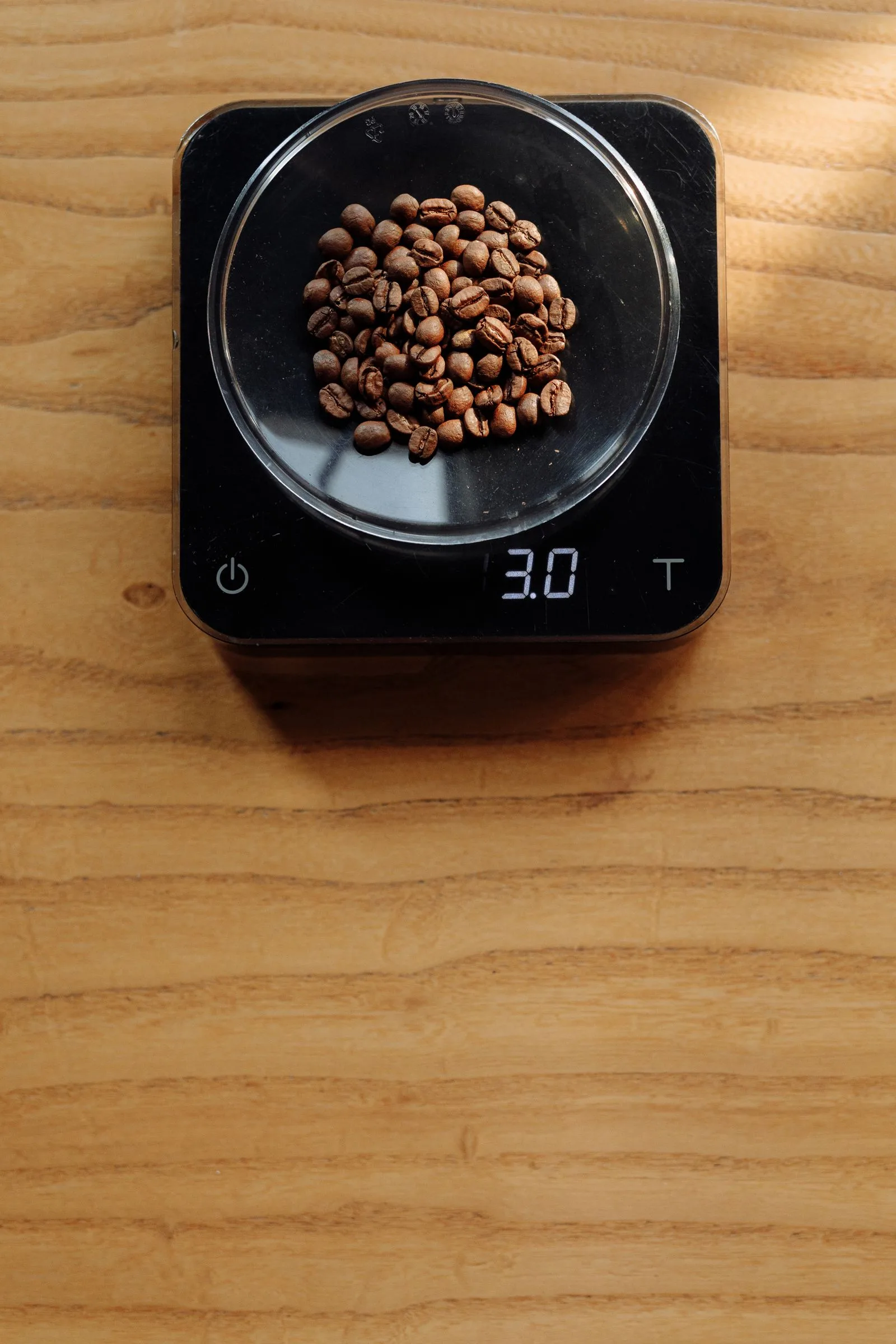
- Weigh your dose and your yield. Confirm you are pulling close to a 1:2 ratio rather than letting the shot run to 1:3 or beyond, using a scale under the cup rather than trusting a timer alone.
- Backflush and clean. If the first four steps check out and crema is still thin, a group head and basket clean rules out the least common but easiest to fix cause on the list.
If your shot has crema but tastes wrong in a specific, contradictory way, sour and bitter at once rather than just thin, that is a different, more mechanical problem; our guide to espresso channeling covers that failure mode and its puck-prep fix in depth.
Common questions
Does thin crema always mean bad espresso? No. Crema thickness mostly reflects bean freshness and roast level, not extraction quality on its own. A shot can taste excellent with modest crema, and a shot can look impressive with a thick cap while tasting flat or over-extracted underneath. Taste the coffee before judging it by the foam.
How fresh should beans be for good crema? Both sourced guides point to a window somewhere past the first few days off roast and comfortably inside 4 to 6 weeks. Beans within 2 to 3 days of roasting can resist forming stable crema because CO2 release is still too aggressive and uneven, and beans past roughly 6 weeks have lost too much of that gas to build a proper cap at all.
What machine pressure do I actually need for crema? Around 9 bars during extraction is the commonly cited target. Machines that cannot reliably hold somewhere close to 7 to 8 bars at the puck will struggle to emulsify a stable crema regardless of how good the beans or grind are.
Can old, stale beans still make good espresso, just without much crema? Sometimes, yes. Bean age affects crema more directly than it affects flavor in the short term, so a shot from beans a few weeks past the usual crema window can still taste reasonable even if the foam on top is thin. It is a useful distinction: judge staleness by taste and aroma over time, and use thin crema as an early warning sign rather than the only signal.
Does a darker roast always produce more crema than a light roast? Generally, yes, at a similar age and dose. Darker roasts carry more surface oil and a different degassing profile, both of which support a thicker, longer-lasting crema, which is part of why crema thickness is not a reliable stand-in for quality across different roast levels.
For the ratio and dose numbers behind the shot itself, our caffeine in a shot of espresso breakdown covers how espresso gets measured in the first place. For more sourced brewing fixes like this one, delivered weekly, subscribe to The Sunday Pour.