Millions of US kitchens have a Keurig on the counter, and nearly every one of them has a row of buttons for 6oz, 8oz, 10oz, and sometimes 12oz cups sitting right above the brew lever. It is a reasonable assumption that picking a bigger number gets you more caffeine, the same logic that applies when a cafe hands you a larger cup of drip coffee. A K-Cup does not work like a cafe urn. Every standard pod holds a fixed, small dose of ground coffee before you ever press a button, and what the cup-size setting actually controls is more specific, and more misunderstood, than most people assume. Two independently published trackers, Caffeine Informer and Track Caffeine, give converging figures for what a K-Cup actually delivers, and a third source, Clutch Coffee Roasters, explains the brewing mechanics behind why the cup-size button matters less for total caffeine than the label on the machine implies.
The numbers: standard K-Cup versus Extra Bold
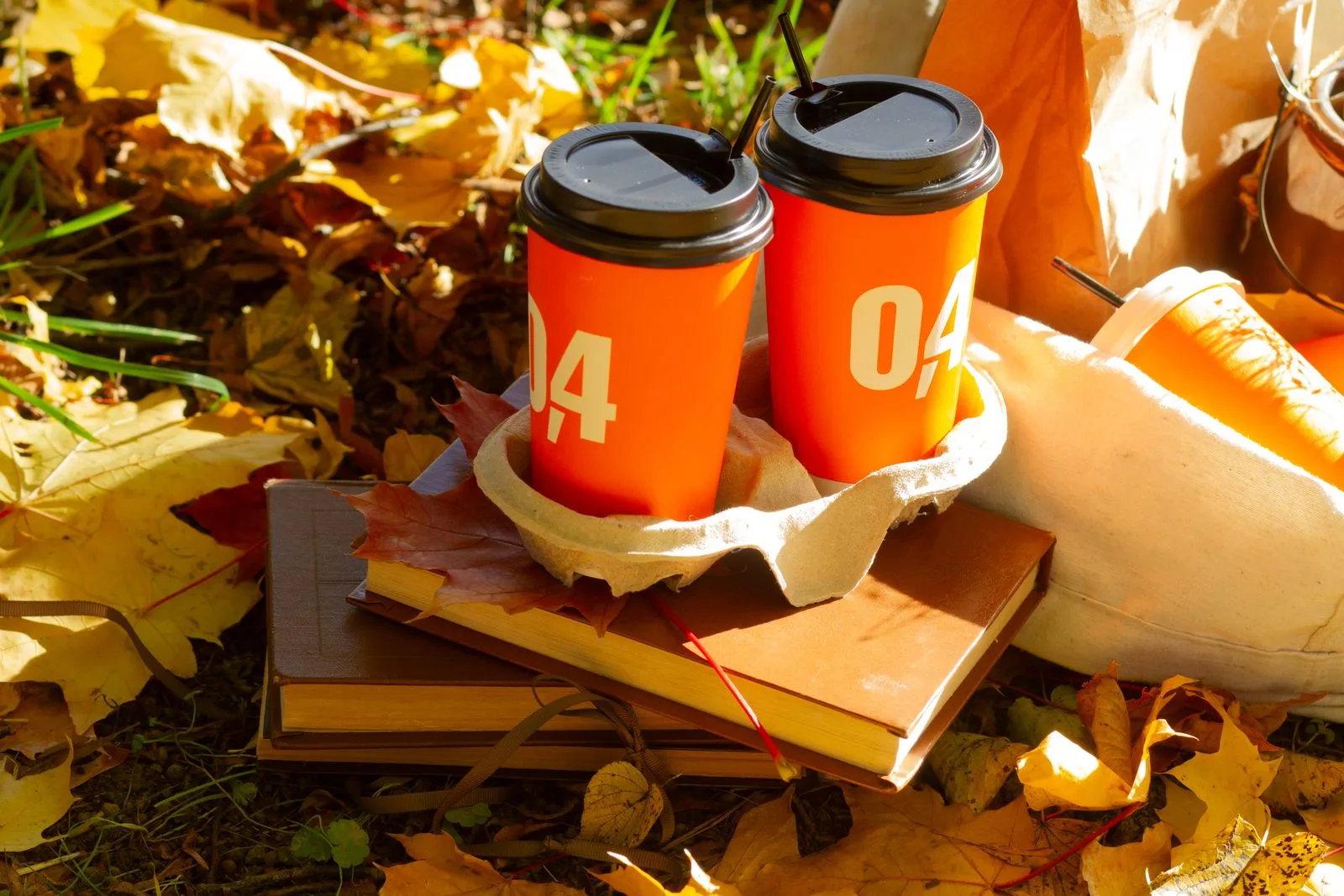
Caffeine Informer states directly that “an 8 floz cup of coffee using the standard 2 oz K-Cup would yield between 75-125 mg of caffeine,” a range wide enough to account for the real variation across roasts, brands, and grind between different pod manufacturers rather than a single precise number. Extra Bold K-Cups, the higher-caffeine line most major brands also sell, run higher: about 150mg per 8oz cup, which the source attributes to Extra Bold pods containing “30% more ground coffee in them than the regular K-Cup.” That is a straightforward mechanical explanation rather than a different bean or roast doing the work: more grounds in the same size pod means more total caffeine available to extract, regardless of which cup-size button gets pressed afterward.
| Pod type | Caffeine (8oz cup) |
|---|---|
| Standard K-Cup | 75 to 125mg |
| Extra Bold K-Cup | About 150mg |
That 75 to 125mg standard range sits close to, and mostly overlaps, the range this site’s own instant coffee caffeine breakdown gives for a typical 8oz cup of instant coffee, which makes sense given both are single-serve formats built around a fixed, pre-measured dose rather than a barista weighing grounds to a ratio.
What the cup-size button actually controls
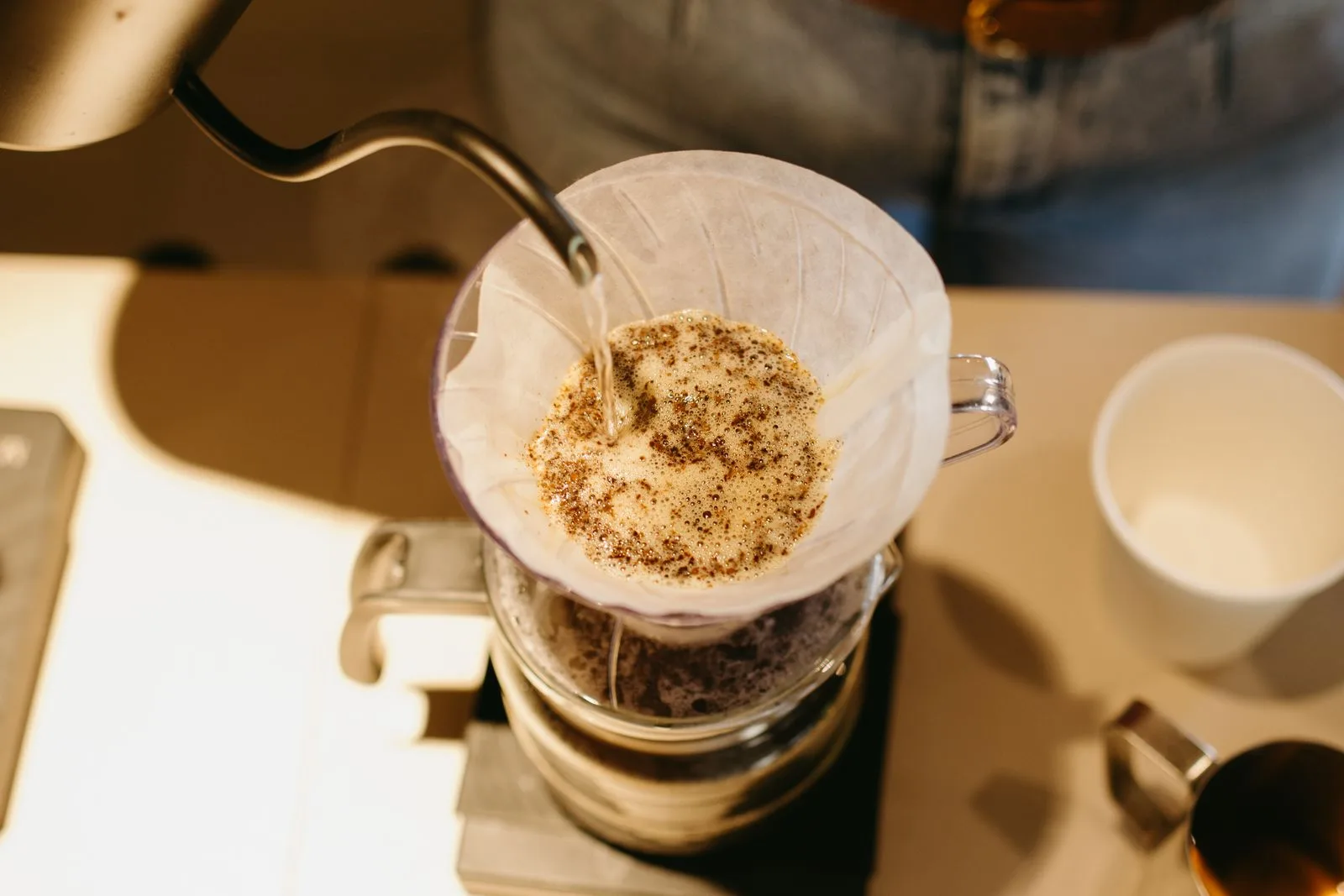
The confusion around Keurig caffeine almost always traces back to a mistaken assumption about how the cup-size setting works. Clutch Coffee Roasters states it plainly: “All standard K-Cups contain about 9 to 12 grams of ground coffee,” and “the amount of coffee inside doesn’t change, but how much water you run through the pod does, and that determines your final brew strength.” In other words, a K-Cup is not a bag of grounds that gets topped up with extra plain water after brewing the way a barista might stretch a shot with hot water for an Americano. The machine pierces the same pod and pushes more or less hot water directly through those same 9 to 12 grams of coffee, depending on which button you pressed.
That distinction matters because of how caffeine behaves during extraction. This site’s own breakdown of caffeine in an espresso shot already covers why: caffeine is a highly soluble compound that extracts early and quickly compared to the acids and oils that shape flavor. Most of a K-Cup’s available caffeine is already in solution well before the brew cycle finishes on even the smallest cup-size setting. Selecting a larger cup size does pull out a bit more caffeine than a smaller one, since more water spends more time in contact with the grounds, but the increase is nowhere near proportional to the extra water volume. The dominant effect of a bigger cup-size setting is dilution: the same roughly-fixed dose of caffeine spread across more fluid ounces, which is why a 12oz brew from a K-Cup tastes noticeably weaker than a 6oz brew from the same pod, without being anywhere close to half the caffeine.
Why the two trackers’ size-based numbers differ
Track Caffeine publishes size-specific estimates that read, at first glance, like they contradict the mechanism above: 6oz at approximately 71mg, 8oz at approximately 96mg, and 10oz at approximately 118mg. Worked out per fluid ounce, those three figures are close to perfectly linear, about 0.4mg per milliliter at every size, because the source states its own methodology directly: it builds the estimate from “the dataset’s drip-coffee concentration: 40 mg per 100 ml,” treating Keurig brewing as a form of single-serve drip and assuming “near-linear extraction across volume” in the absence of manufacturer-published, per-setting numbers.
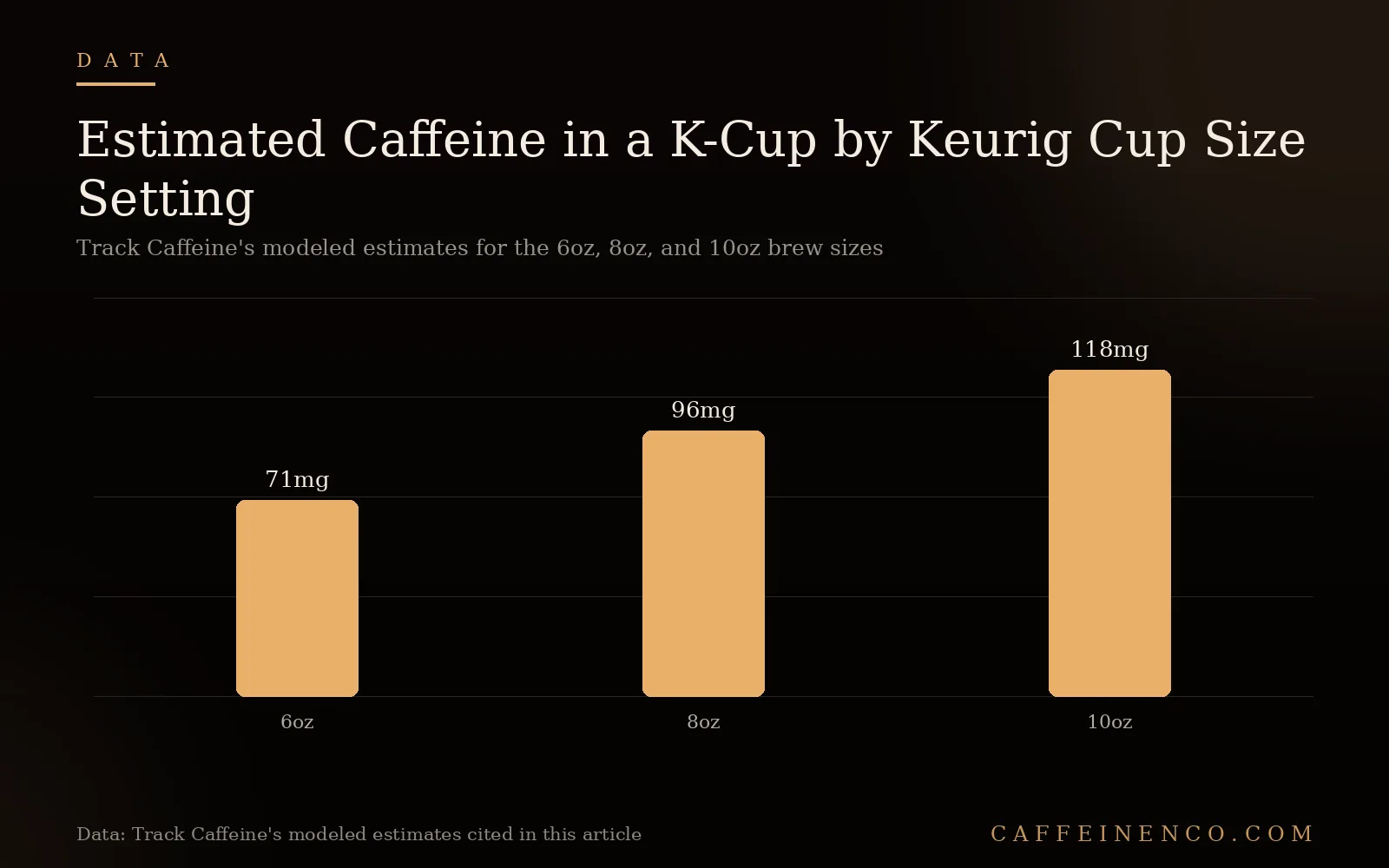
That is an honest, clearly labeled assumption, not a measured curve from an actual K-Cup brewed at four different settings and lab-tested each time. No K-Cup manufacturer publishes a per-cup-size caffeine breakdown, which is exactly why a tracker has to model one. Caffeine Informer’s flat 75 to 125mg range for a standard 8oz cup and Track Caffeine’s modeled 96mg at 8oz land inside the same territory, which is reassuring, but the more useful takeaway is not to treat either source’s per-ounce number as more precise than it is. The honest range for a standard 8oz K-Cup, combining both trackers, is 75 to 125mg, and a 6oz or 10oz cup from the same pod will fall somewhat below or above that midpoint, without scaling as cleanly as the linear model implies.
Extra Bold, and getting more caffeine without changing the button
If the actual goal is more caffeine rather than a smaller, more concentrated cup, Extra Bold is the more reliable lever, not the cup-size setting. Since Extra Bold pods pack roughly 30% more grounds into the same 2oz K-Cup shell, brewing one at any cup-size setting starts from a higher caffeine ceiling than a standard pod at the same setting. If you want to try an Extra Bold line without changing your usual grind or brewer, 1st in Coffee’s espresso pods and capsules range carries single-serve options alongside its espresso lineup, or you can search for extra bold K-Cups directly on Amazon.
Compared against the rest of this site’s format-by-format caffeine coverage, a standard K-Cup’s 75 to 125mg sits meaningfully above a standard Nespresso OriginalLine espresso capsule at 55 to 65mg, despite both being single-serve pod systems marketed on convenience. The difference comes down to serving size and grounds per pod rather than one system being inherently stronger: a Nespresso OriginalLine capsule is built for a small, concentrated espresso-style pour, while a K-Cup is built to fill a full 6 to 12oz mug the way a drip machine would.
Worked example: reading your own Keurig’s caffeine
- Start with the standard range. A regular K-Cup brewed at the standard 8oz setting delivers 75 to 125mg of caffeine, per Caffeine Informer’s published figure. Treat that as your baseline before adjusting anything else.
- Check the pod, not just the button, if you want more caffeine. Switching to an Extra Bold line adds roughly 30% more grounds to the same size pod, a bigger and more predictable increase than anything the cup-size setting can deliver on its own.
- Expect a smaller cup to taste stronger, not necessarily carry proportionally less caffeine. Brewing the same pod at 6oz instead of 10oz concentrates a similar total caffeine dose into less water, per the mechanism Clutch Coffee Roasters describes: the water volume changes, the roughly 9 to 12 grams of grounds in the pod does not.
- Weigh your own grounds if you want a real number for your specific pod. A compact digital coffee scale paired with a reusable K-Cup filter lets you fill the basket with a known gram amount of your own grounds, turning an estimate into something you can actually verify batch to batch.
- Track your daily total against a real ceiling. MD Anderson Cancer Center reports the FDA’s general guidance that “most adults can consume about 400 milligrams of caffeine per day without negative effects.” At 75 to 150mg per standard or Extra Bold cup, three or four K-Cups a day can approach that ceiling faster than the small pod size suggests.
Common mistakes reading a K-Cup caffeine number
Assuming the cup-size button changes total caffeine the way ordering a larger size at a cafe does is the most common mistake, when the actual mechanism, per Clutch Coffee Roasters, is more hot water running through the same fixed dose of grounds, not a bigger pour from a bigger reservoir of coffee. Treating Track Caffeine’s per-size estimates as lab-measured figures is the second: the source states its own methodology as a linear assumption built from a general drip-coffee concentration figure, used specifically because no manufacturer publishes real per-setting numbers, not because a K-Cup extracts perfectly linearly in practice. Assuming all K-Cups from all brands land at the same point in the 75 to 125mg range is the third, since that range itself exists precisely because roast, grind, and brand vary the actual dose inside an outwardly identical pod.
Common questions
How much caffeine is in a regular K-Cup? 75 to 125mg per standard 8oz cup, per Caffeine Informer’s published range, which accounts for normal variation across roasts and brands rather than pointing to one exact number.
Does choosing a bigger cup size on my Keurig give me more caffeine? Only slightly, and mostly through added extraction time rather than the effect most people expect. Clutch Coffee Roasters confirms the same roughly 9 to 12 grams of grounds sit in the pod regardless of setting; a larger cup size runs more hot water through those same grounds, which dilutes the coffee more than it meaningfully increases total caffeine.
How much caffeine is in an Extra Bold K-Cup? About 150mg per 8oz cup, per Caffeine Informer, roughly 30% more than a standard K-Cup because Extra Bold pods contain about 30% more ground coffee in the same size pod.
Are Track Caffeine’s per-size caffeine estimates for K-Cups exact? No, and the source says so directly: the 71mg (6oz), 96mg (8oz), and 118mg (10oz) figures are built from a general 40mg-per-100ml drip-coffee assumption rather than a measured per-setting figure, since no K-Cup manufacturer publishes one.
Is a K-Cup stronger than a Nespresso pod? By total milligrams, generally yes. A standard K-Cup’s 75 to 125mg runs above a standard Nespresso OriginalLine capsule at 55 to 65mg, mainly because a K-Cup is built to fill a larger cup rather than a small espresso-style pour.
How many K-Cups can I drink and stay under a safe daily caffeine limit? Roughly three to four standard K-Cups a day stays under the FDA’s general 400mg guidance reported by MD Anderson Cancer Center, though Extra Bold pods reach that ceiling faster given their higher per-cup caffeine.
For more sourced caffeine breakdowns like this one, delivered weekly, subscribe to The Sunday Pour.