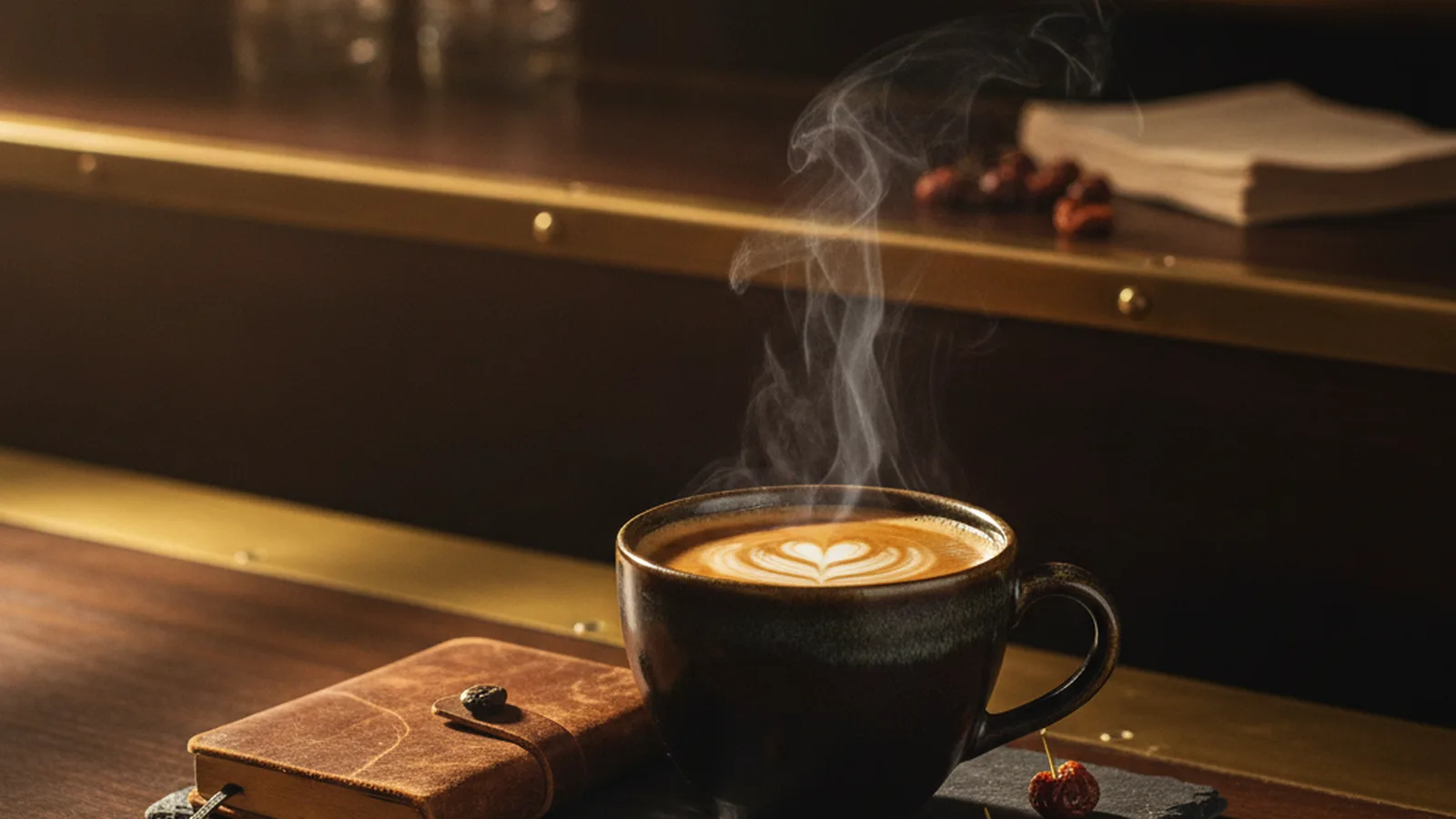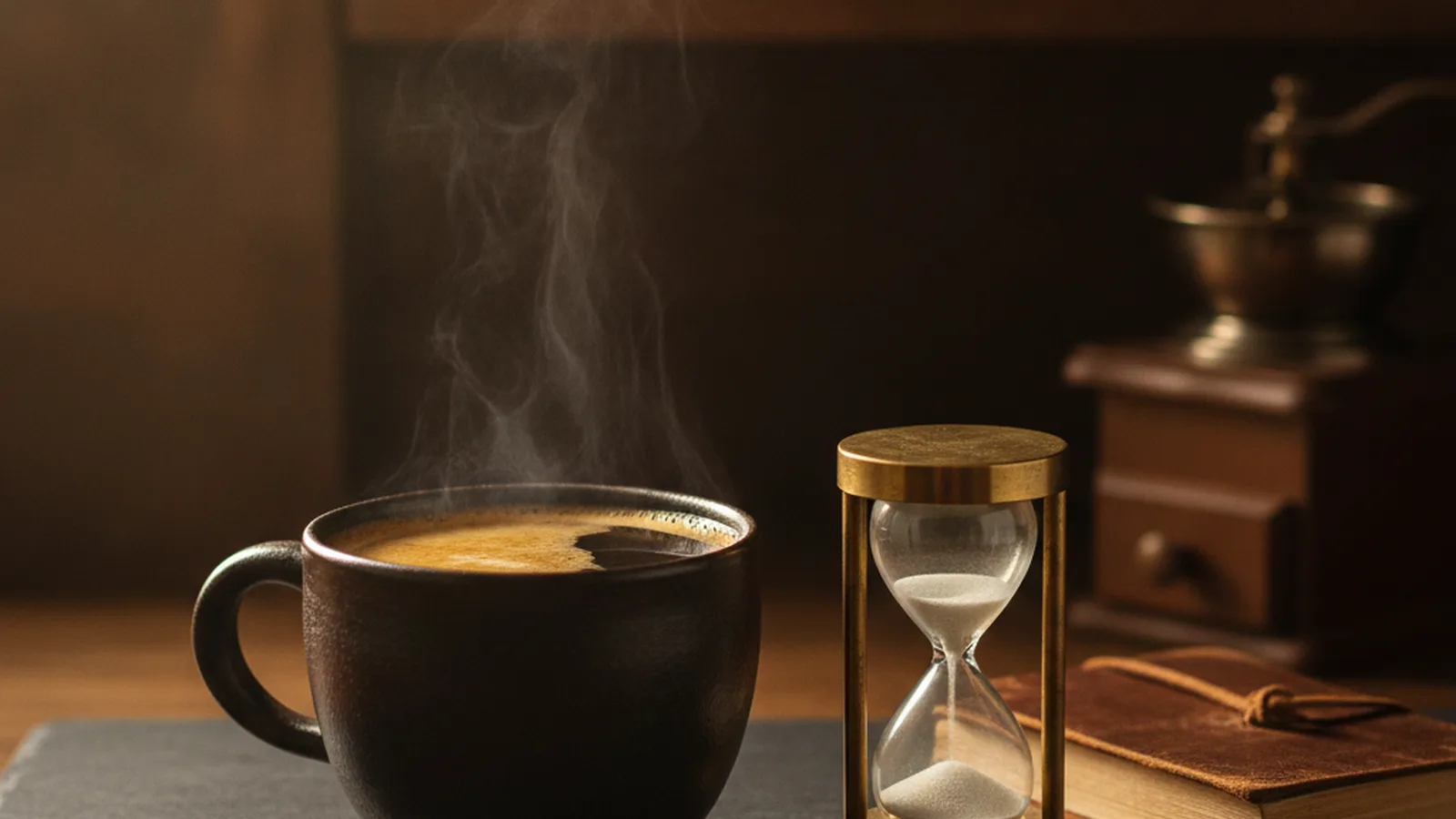
“Does coffee break a fast” sounds like one question and is actually three, stacked on top of each other without anyone separating them. There is the calorie question (does a cup of black coffee add enough energy to count as eating), the autophagy question (does coffee stop or start the cellular cleanup process many fasting protocols are chasing), and the hormone question (does caffeine itself, independent of any calories, change blood sugar or insulin while you are fasted). Most answers online collapse all three into a single yes or no. They deserve separate answers, because the real evidence behind each one points in a different direction, and the most-cited study behind the most common claim, “coffee boosts autophagy,” was never run in a human body at all. This page is distinct from this site’s own coffee on an empty stomach breakdown, which covers digestion, nausea, and how fast caffeine hits when nothing else is in your stomach. This page covers the fasting-specific question: what coffee actually does to the metabolic state a fast is trying to create.
The real question hiding inside “does coffee break a fast”
Intermittent fasting is not one protocol, it is a family of them, and “breaking a fast” means different things depending on which one someone is following. A 16:8 time-restricted eater counting calories toward a weight goal cares almost entirely about the first question: does this drink have enough energy in it to matter. Someone following a stricter protocol chasing autophagy or insulin-sensitivity benefits specifically is asking a harder question: does this drink trigger a metabolic response that works against the state a fast is supposed to create, even if it has no calories at all. Both questions are legitimate, and conflating them is most of what makes this topic confusing to search.
Calories: the easy part, and a rule of thumb nobody has actually tested
A cup of black coffee is about as close to a free pass as a fast allows. Per Harvard T.H. Chan School of Public Health’s own nutrition reference, an 8-ounce cup of plain black coffee contains about 2 calories, with no fat, protein, carbohydrate, or sugar to speak of. By any strict caloric definition of fasting, that is not a meaningful amount of energy intake, and nobody doing a calorie-focused fast needs to worry about it.
Search this topic and a specific number comes up constantly: the idea that staying under roughly 50 calories keeps a fast technically intact. That number is worth being honest about, because it is not a finding from any study. It is a popular rule of thumb that circulates across fasting apps and forums with no controlled trial behind the specific threshold, and no research has tested 50 calories as a dividing line between a fast that “counts” and one that does not. Black coffee at around 2 calories a cup sits so far under even that unverified number that the exact threshold does not matter much in practice, but it is worth knowing the 50-calorie figure itself is folklore, not evidence, before repeating it as settled science.
Autophagy: the mouse study behind the “coffee boosts autophagy” claim
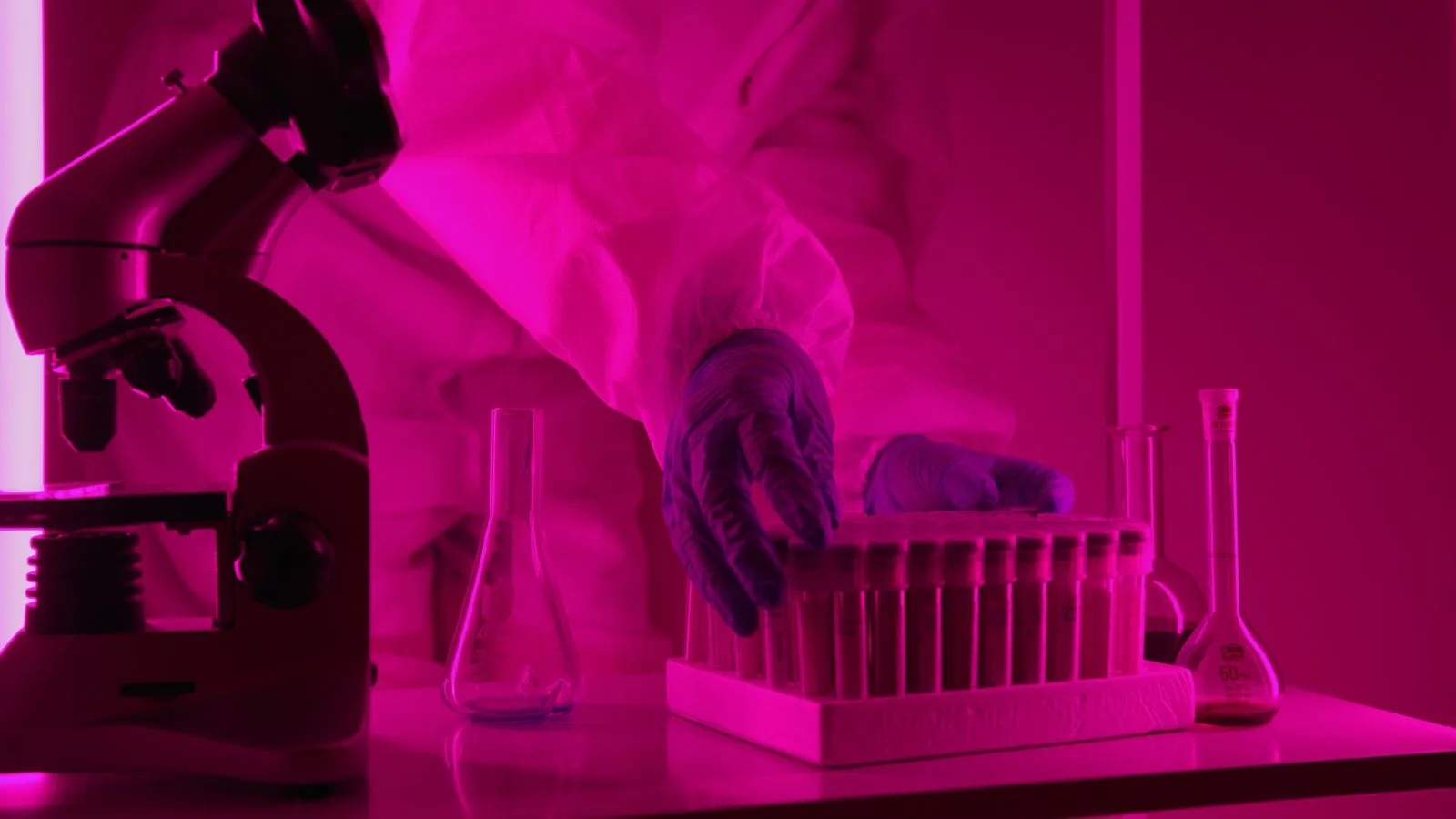
The single most-cited piece of evidence for “coffee helps a fast” is a 2014 study published in Cell Cycle by Federico Pietrocola and colleagues, titled “Coffee Induces Autophagy In Vivo.” It is real, it is well cited, and it is also almost always described online without one crucial detail: it was conducted in mice, not people.
Pietrocola’s team gave mice coffee and measured autophagy markers, specifically lipidation of the protein LC3B and a drop in the autophagy substrate p62/SQSTM1, across the liver, muscle, and heart. Those markers rose within one to four hours of coffee consumption, alongside inhibition of mTORC1, a cellular pathway that normally suppresses autophagy, and a broad reduction in protein acetylation across the tissues tested. Two details from the same study complicate the popular, caffeine-focused version of this claim. First, both regular and decaffeinated coffee triggered the same autophagy response in the mice, at a similar magnitude, which means caffeine itself was not the active ingredient; the researchers point to coffee’s polyphenols as the more likely driver. Second, and most important for anyone deciding whether to trust this as fasting advice, this result has not been demonstrated in humans. A mouse’s metabolism, dose exposure, and fasting physiology are not a direct stand-in for a person skipping breakfast, and no comparable human trial measuring autophagy markers after coffee consumption currently exists. The honest summary is that this is a real, legitimate finding about a real biological mechanism, in the wrong species to answer the question most people are actually asking.
What happens in humans: the actual fasting-coffee data
The closest human evidence comes from a smaller, less dramatic study: a randomized crossover trial published in Clinical Nutrition ESPEN in 2021 that tested black coffee’s effect on fasting metabolic markers directly. Ten healthy adults, five men and five women, averaging about 23 years old, were given either water or 8 fluid ounces of black coffee at the end of a 10-hour fast, then put through an abbreviated fat tolerance test that tracked triglycerides and glucose over the following hours. The result: no meaningful difference between the coffee trial and the water trial in either baseline or post-test triglycerides or glucose.
That is a small study, ten participants is not enough to settle the question definitively, and it measured triglycerides and glucose specifically rather than autophagy markers, insulin, or any longer-term outcome. But as far as it goes, it is the actual human data on this exact scenario, black coffee at the end of a real fast, and it found nothing alarming in the two metabolic markers it tracked. That is a meaningfully different, and more modest, finding than “coffee boosts autophagy,” and it is worth knowing which of the two claims actually comes from a person rather than a mouse.
Caffeine’s separate problem: it can blunt insulin sensitivity on its own
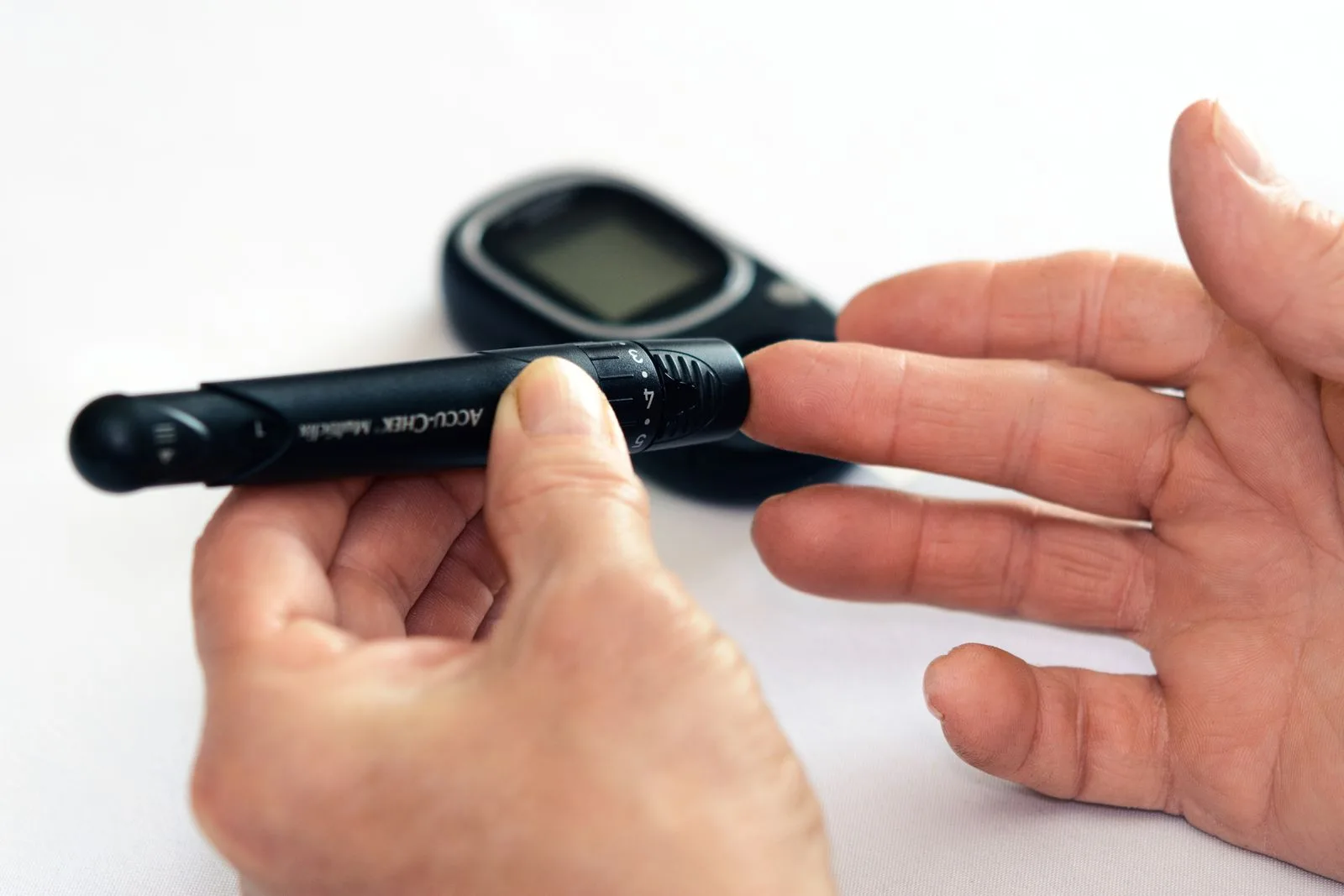
Here is the wrinkle that the calorie math alone does not capture: caffeine does not need calories to do something measurable to your metabolism. A 2002 study in Diabetes Care, led by Gerben Keijzers, gave 12 healthy volunteers caffeine intravenously, bypassing coffee’s calories and any food entirely, in a randomized, double-blind, crossover design using the hyperinsulinemic-euglycemic clamp technique, a precise method for measuring how efficiently the body uses insulin. Caffeine alone decreased insulin sensitivity by 15% compared with placebo, alongside a rise in plasma free fatty acids and a roughly fivefold increase in plasma epinephrine.
That is a genuinely different mechanism from the autophagy claim above, and it points the opposite direction from “coffee helps a fast.” Epinephrine is part of the body’s stress response, and a caffeine-driven spike in it can push blood sugar handling in a less favorable direction even with zero calories involved. This site’s own coffee and diabetes breakdown covers a related but distinct scenario: a controlled trial found caffeine taken alongside a carbohydrate-heavy meal raised post-meal glucose by 21% and insulin by 48% in people with type 2 diabetes. That specific finding is about caffeine combined with food, not caffeine during an actual fasted state, but both studies land on the same underlying point: caffeine has its own, calorie-independent effect on insulin and glucose handling, separate from whatever coffee’s polyphenols might be doing for autophagy.
Appetite and energy intake: what a controlled trial actually found
A separate worry some fasting communities raise is that coffee reduces hunger so effectively it undermines a fast’s purpose by masking the body’s own signals, or alternatively that it stimulates hunger and makes the fasting window harder to finish. A 2011 controlled trial in The Journal of Nutrition, led by Androniki Gavrieli, tested caffeinated coffee’s acute effect on energy intake, appetite, and inflammation in healthy men directly, and found no significant effect on any of the three. The same trial did find one hormonal effect worth knowing: caffeinated coffee prevented serum cortisol from falling the way it normally does after a meal, a finding this site’s own coffee and cortisol breakdown covers in more depth. For the appetite question specifically, though, the controlled evidence does not support either the “coffee kills your appetite” or “coffee makes fasting harder” version of the claim.
Does this change by which kind of fast you are doing
Given the above, the practical answer depends on which of the three original questions actually matters to a given reader. For calorie-counting and weight-focused time-restricted eating, black coffee’s roughly 2 calories a cup is not a meaningful input, and the Keijzers and Gavrieli findings above are not large enough effects to change a weight-loss outcome measured in weeks or months. For someone specifically chasing the metabolic state the Pietrocola mouse study describes, cellular autophagy and maximum insulin sensitivity, the more cautious reading is that coffee’s calorie count is a non-issue, but caffeine’s own, separate effect on insulin sensitivity is a real, human-trial-confirmed mechanism working in the opposite direction from the goal, even though the autophagy benefit itself remains unconfirmed in humans either way.
Worked example: deciding what to do with your own coffee
- Identify which of the three questions you are actually asking. If the goal is weight management through a calorie deficit, the calorie question is the only one that matters, and black coffee clears that bar easily at around 2 calories a cup.
- Do not treat the autophagy claim as proven in humans. The Pietrocola study is real and frequently cited, but it was conducted in mice; treat it as a plausible mechanism worth watching for human confirmation, not as a settled reason to drink more coffee during a fast.
- If strict insulin sensitivity is the goal, weigh the Keijzers finding seriously. A 15% drop in insulin sensitivity from caffeine alone, with no food involved, is the one calorie-independent effect in this page’s sources with solid human trial evidence behind it.
- Do not fear coffee derailing your appetite control. The Gavrieli trial found no significant effect on energy intake or appetite from caffeinated coffee, so concerns about coffee making a fasting window harder to finish, or easier to cheat on by suppressing hunger too well, are not well supported by the controlled data here.
- If you want coffee’s possible autophagy-linked polyphenols without caffeine’s insulin-sensitivity effect, decaf is a reasonable swap. The Pietrocola mice showed the same autophagy response from decaffeinated coffee as from regular, since the mechanism traced to polyphenols rather than caffeine. A decaf coffee selection from 1st in Coffee or the same category on Amazon makes that swap easy; this site’s own decaf coffee caffeine content breakdown has the real per-cup range, 2 to 15mg, for planning around it.
- Break your fast carefully if you also drink strong coffee close to your first meal. The acute insulin and glucose numbers from this site’s coffee and diabetes page are about caffeine combined with food, so a coffee-plus-meal combination close together is a different scenario from coffee taken alone during the fasted window.
Common mistakes
Treating the Pietrocola autophagy study as proof that coffee helps a human fast is the most common mistake on this topic, and it is an easy one to make since the study is genuinely real and widely cited; the gap is that it was run in mice, not people, and no human trial has replicated the autophagy finding. Assuming the 50-calorie rule comes from a study is the second mistake; it is a popular threshold with no controlled trial behind the specific number, and black coffee’s roughly 2 calories a cup sits so far under it that the exact figure rarely matters in practice anyway. Assuming caffeine is calorie-free and therefore metabolically inert is the third mistake; the Keijzers trial found a 15% drop in insulin sensitivity from intravenous caffeine alone, with zero calories or food involved. Worrying that coffee will sabotage appetite control during a fast is the fourth mistake; the one controlled trial that measured this directly found no significant effect on energy intake or appetite from caffeinated coffee. Treating “coffee and fasting” as a single question is the fifth and broadest mistake; calories, autophagy, and caffeine’s hormonal effects are three separate questions with three separate, and sometimes contradictory, answers.
Common questions
Does black coffee break a fast? Not by calorie count. An 8-ounce cup of black coffee contains about 2 calories, per Harvard’s own nutrition reference, which is not a meaningful amount of energy intake by any standard calorie-based definition of fasting.
Does coffee boost autophagy during a fast? The evidence for that claim comes from a 2014 mouse study, not a human one. Coffee triggered autophagy markers in mice within one to four hours, through both caffeinated and decaffeinated coffee equally, but no human trial has confirmed the same effect in people.
Can caffeine affect blood sugar even with no food or calories involved? Yes. A 2002 controlled trial gave caffeine intravenously, with no food or calories present, and found it reduced insulin sensitivity by 15% compared with placebo, through a rise in epinephrine and free fatty acids.
Does coffee make a fast harder by increasing hunger, or easier by suppressing it? A controlled trial found caffeinated coffee had no significant effect on energy intake or appetite in healthy men, so neither the “kills your appetite” nor the “makes fasting harder” version of the claim held up under direct testing.
Is decaf a better choice than regular coffee during a fast? If the specific concern is caffeine’s own insulin-sensitivity effect, decaf avoids that mechanism while still matching regular coffee’s autophagy response in the one study that measured it, which found the effect traced to coffee’s polyphenols rather than its caffeine.
What is the actual human evidence on coffee and fasting metabolic markers? The closest direct test is a small 2021 randomized crossover trial: ten adults drank either water or black coffee after a 10-hour fast, then had their triglycerides and glucose tracked through a fat tolerance test, and researchers found no significant difference between the two drinks on either marker.
For more sourced breakdowns like this one, delivered weekly, subscribe to The Sunday Pour.
Sources & data
- Cell Cycle, via PubMed: Pietrocola et al., Coffee Induces Autophagy In Vivo
- Clinical Nutrition ESPEN, via PubMed: The Effect of Black Coffee on Fasting Metabolic Markers and an Abbreviated Fat Tolerance Test
- Diabetes Care, via PubMed: Keijzers et al., Caffeine Can Decrease Insulin Sensitivity in Humans
- The Journal of Nutrition, via PubMed: Gavrieli et al., Caffeinated Coffee Does Not Acutely Affect Energy Intake, Appetite, or Inflammation but Prevents Serum Cortisol Concentrations From Falling in Healthy Men
- Harvard T.H. Chan School of Public Health, The Nutrition Source: Coffee