Most people pick a coffee filter once, usually whatever came in the box, and never think about it again. That is a shame, because the filter is the last thing between your grounds and your cup, and it changes three things you can actually notice: how the coffee tastes and feels, how much of the cholesterol-raising oil in coffee ends up in it, and how much work you do after the brew.
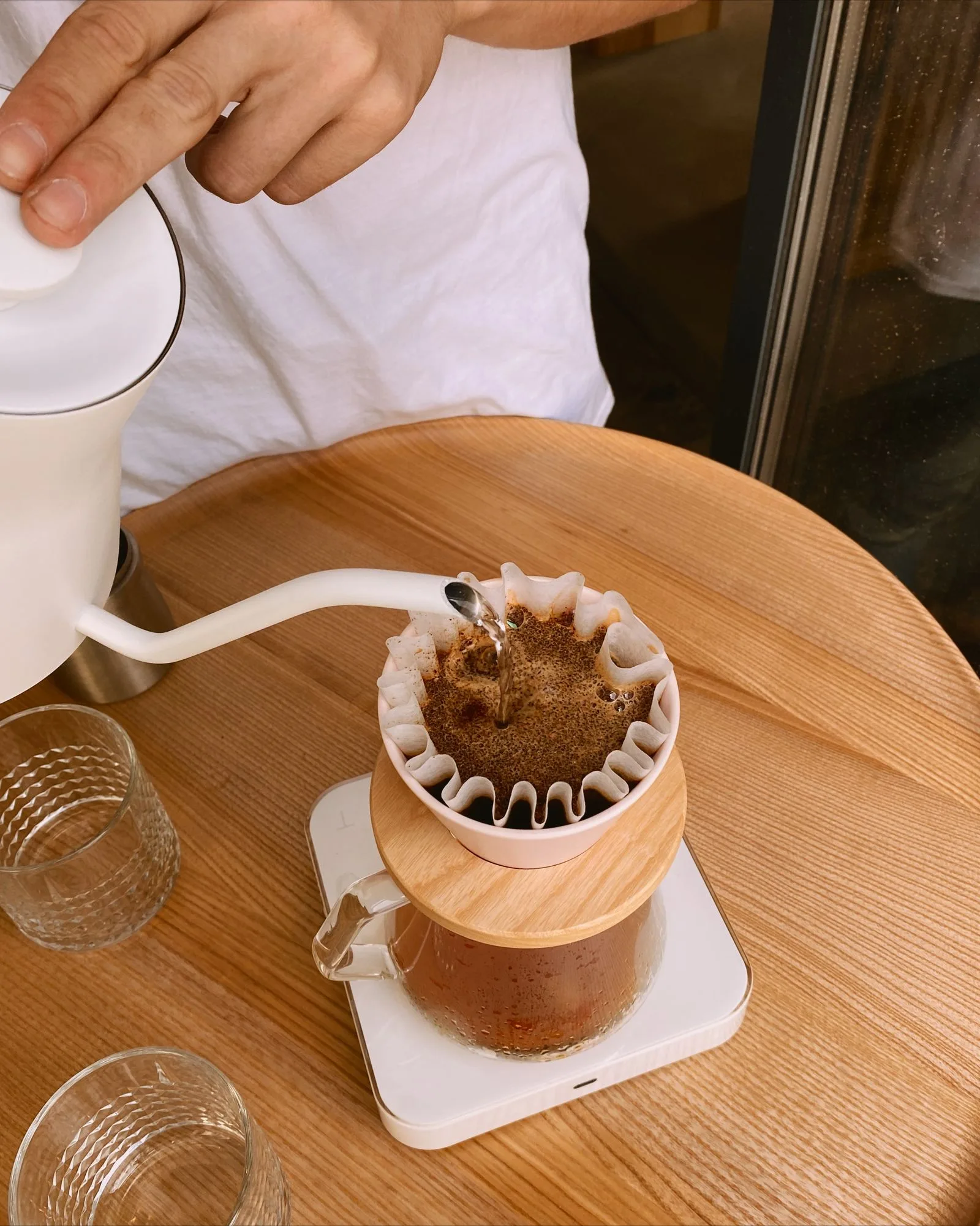
This guide compares paper and metal filters for the brewers where the choice is real: AeroPress, pour over, and drip. It leans on one recent laboratory study for the health side and on brewer and barista sources for the taste side, and it says plainly where a claim is one source’s opinion rather than a measurement. It is a technique guide only, with no ranking of specific products.
The short version
- Paper filters hold back oils and most fine particles. Perfect Daily Grind describes the result as a “cleaner-tasting flavour profile with a less enhanced body.”
- Metal filters let oils through for a fuller body and, in the words of 2016 US AeroPress Champion Ben Jones, “a little bit of extra sediment,” closer to a French press.
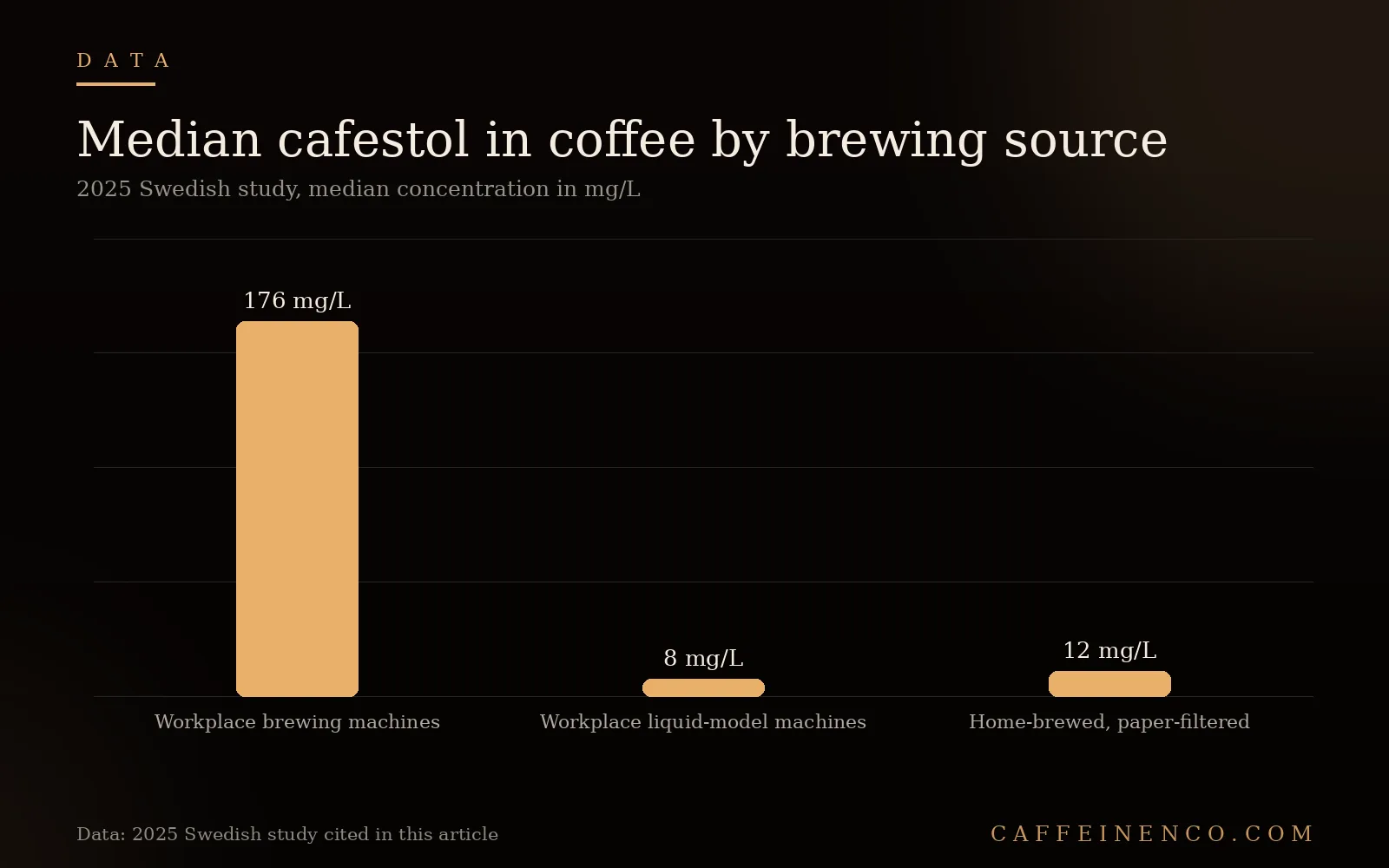
- On health, the difference is about cafestol and kahweol, the oils linked to higher LDL cholesterol. A 2025 Swedish study measured a median of 12 mg/L of cafestol in home-brewed paper-filtered coffee versus a median of 176 mg/L in workplace brewing-machine coffee.
- Metal is reusable but needs real cleaning. Paper is an ongoing cost but takes seconds to deal with.
- If you are not sure, run the side-by-side test later in this guide. It takes two brews and tells you more than any article can.
What a filter actually does
A filter does two different jobs. It stops the grounds from ending up in your cup, and it decides which of the very small things in the brew get through: oils, microscopic coffee fragments called fines, and dissolved compounds.
Dissolved compounds go through either way. Paper, as the Complete Home Barista guide puts it, produces a cleaner and brighter cup by removing oils and micro-fines, while metal lets the oils through for a heavier, richer character similar to French press. The difference between the two is therefore mostly about what is suspended in the liquid, not what is dissolved in it.
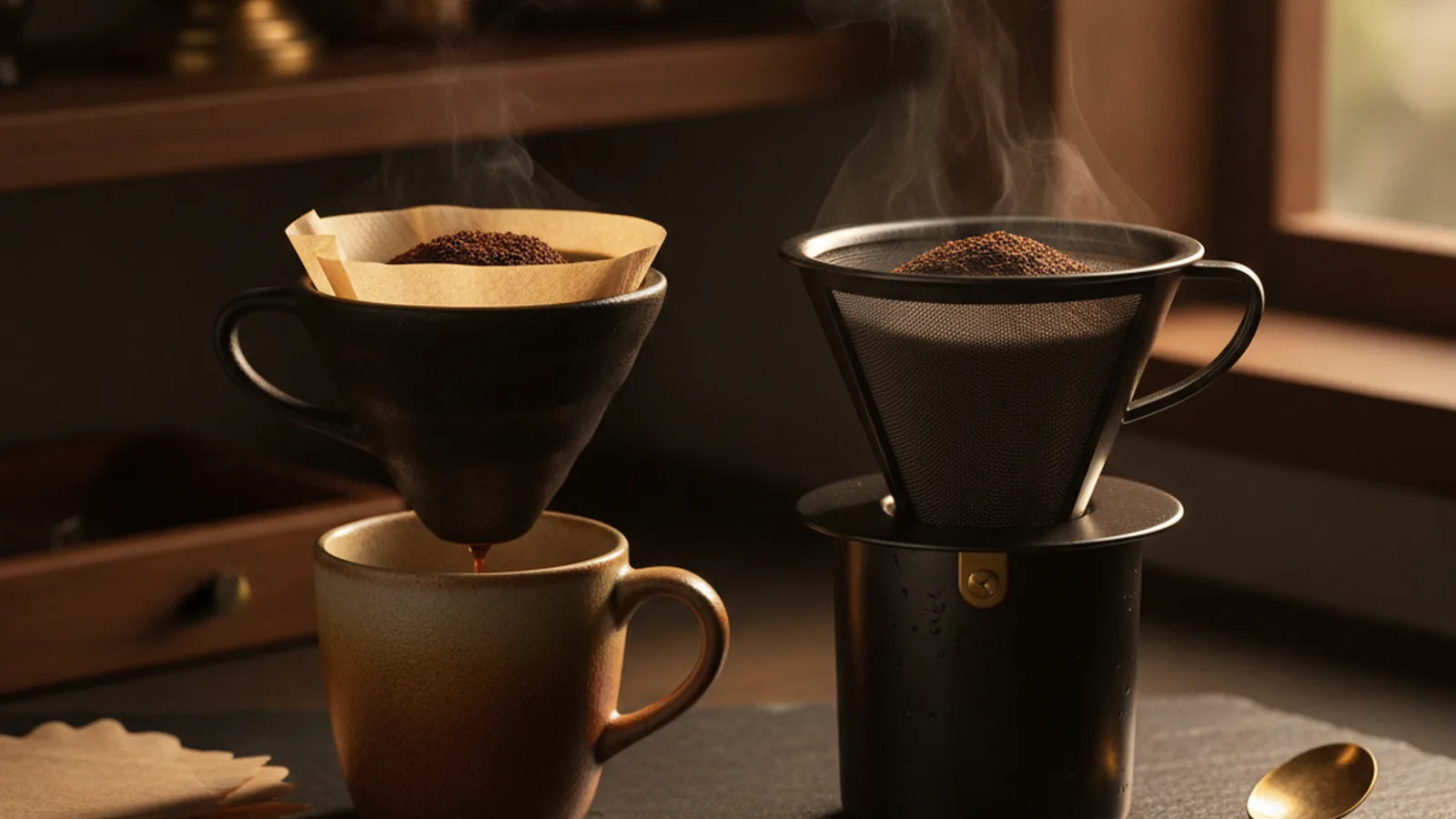
Metal filters come in a few forms: a fine perforated disc for an AeroPress, a mesh cone for pour over, a mesh basket for an electric drip machine, and the plunger screen in a French press. The holes are far larger than the gaps between paper fibers, which is exactly why oils and fines pass through. If you want the French press version of this story, our French press cleaner cup guide covers how to cut down the sediment a mesh filter allows.
Taste and mouthfeel
What paper does to the cup
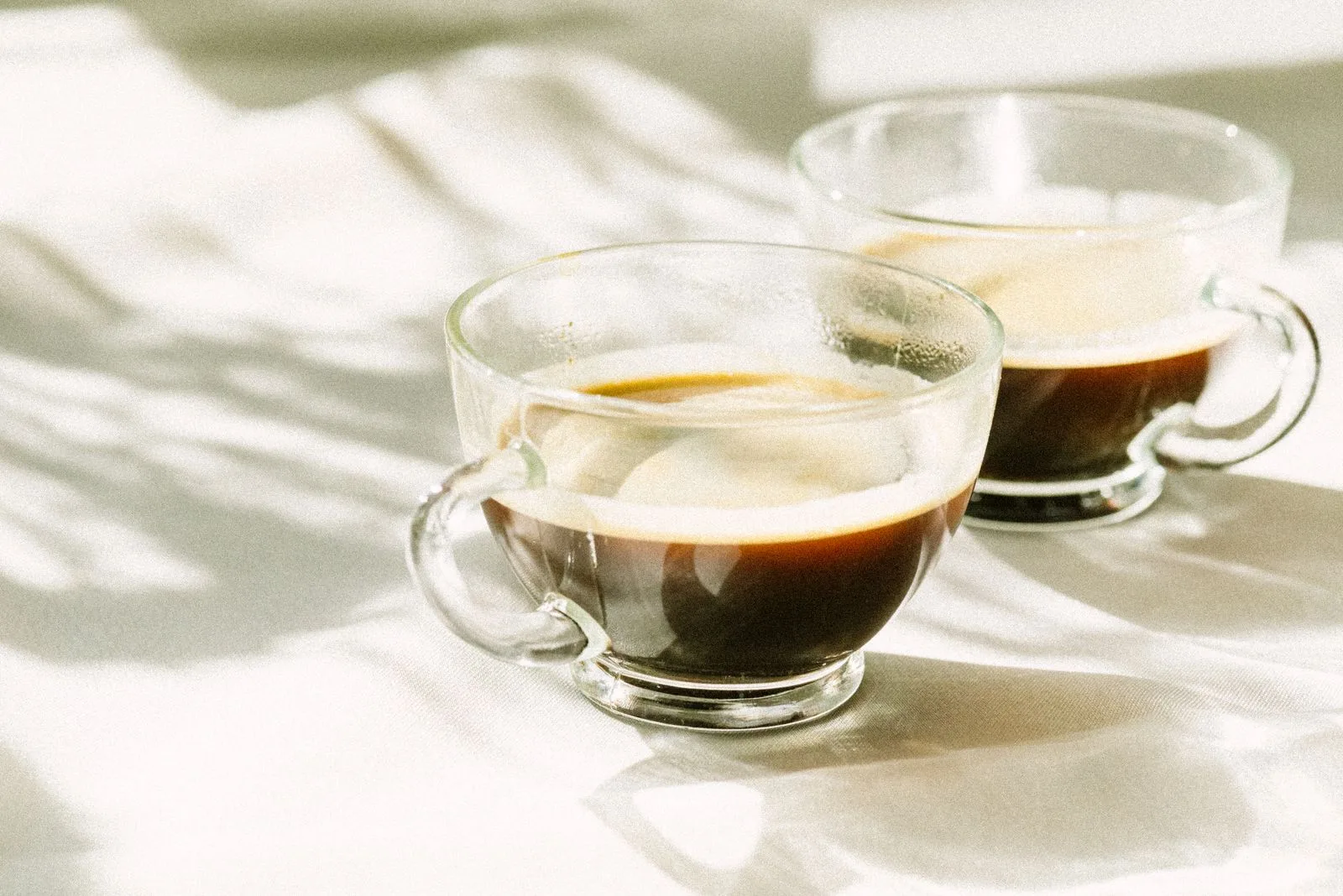
Paper absorbs a share of the coffee oils and traps most of the fines. Because those oils carry some flavor and aroma, a paper-filtered cup tends to read as brighter, more delicate and easier to see through. That is why pour over, Chemex and most drip coffee have their reputation for clarity. Complete Home Barista suggests paper is the better match for light and medium roasts, where delicate aromatics are the point.
What metal does to the cup
A metal filter keeps oils and a bit of fine sediment in the liquid. The cup is heavier, rounder and sometimes a little cloudy. Complete Home Barista suggests metal suits medium and dark roasts, and warns that metal filters can taste gritty with fine grinds. That second point is practical: if you switch from paper to metal and keep the same grind, a muddy or gritty cup is the most likely outcome.
A surprise worth noting
Perfect Daily Grind quotes Valerian Hrala, Campus Director at Boot Coffee, who was “very surprised” by the metal AeroPress filter, finding the result full bodied with a clean aftertaste. One taster’s result is not a rule, but it is a reminder that a good grind and a clean filter narrow the gap more than the stereotype suggests.
The health angle: cafestol and kahweol
Coffee beans contain two oils, cafestol and kahweol, that raise LDL cholesterol in the people who drink enough of them. Whether they reach your cup depends heavily on the filter. We cover the clinical evidence in full in our post on coffee and cholesterol. Here is the filter-specific part.
What the 2025 Swedish study measured
Researchers collected coffee from Swedish workplaces and compared it with home-made brews, measuring cafestol and kahweol by liquid chromatography-mass spectrometry. The abstract reports these median concentrations of cafestol:
| Coffee | Cafestol, median (range) | Samples |
|---|---|---|
| Workplace brewing machines | 176 (24 to 444) mg/L | 11 |
| Workplace liquid-model machines | 8 (2 to 343) mg/L | 3 |
| Home-brewed, paper-filtered | 12 (4 to 24) mg/L | 5 |
The same abstract reports that boiled coffee had 939 mg/L of cafestol, but pouring it through a fabric filter cut that to 28 mg/L. Percolator and French press coffee sat in the middle at about 90 mg/L, and some espresso samples were very high, up to 2447 mg/L.
How to read those numbers
The sample sizes are small: 11, 3 and 5 coffees. The study measured concentrations in the cup, not what happened to anyone’s cholesterol. The authors’ conclusion is cautious, saying that “insufficiently filtered coffee” at work could be an overlooked factor for cardiovascular health. ZME Science reports that the researchers estimated swapping three cups of machine coffee per workday for paper-filtered coffee could lower LDL by 0.58 mmol/L. That is a modeled estimate, so treat it as a rough size of the effect and not a prediction for you.
Notice also that the study compared whole brewing methods, not paper and metal discs in an otherwise identical brew. It supports a clear conclusion that paper-filtered brews carry far less cafestol than unfiltered ones. It does not tell you the exact figure for a metal AeroPress disc, a mesh pour-over cone or your own drip machine, because those were not measured separately. We have not found a source that does that, so we will not quote one.
Who should care
If your LDL is high, or you drink several cups a day from a French press or a metal-filter machine, the paper-filter route is the low-effort fix and worth raising with your doctor. If you have one cup of metal-filtered coffee a day and your lipids are fine, the evidence here does not call for alarm. We are not giving medical advice, and individual responses vary.
Cleanup, cost and waste
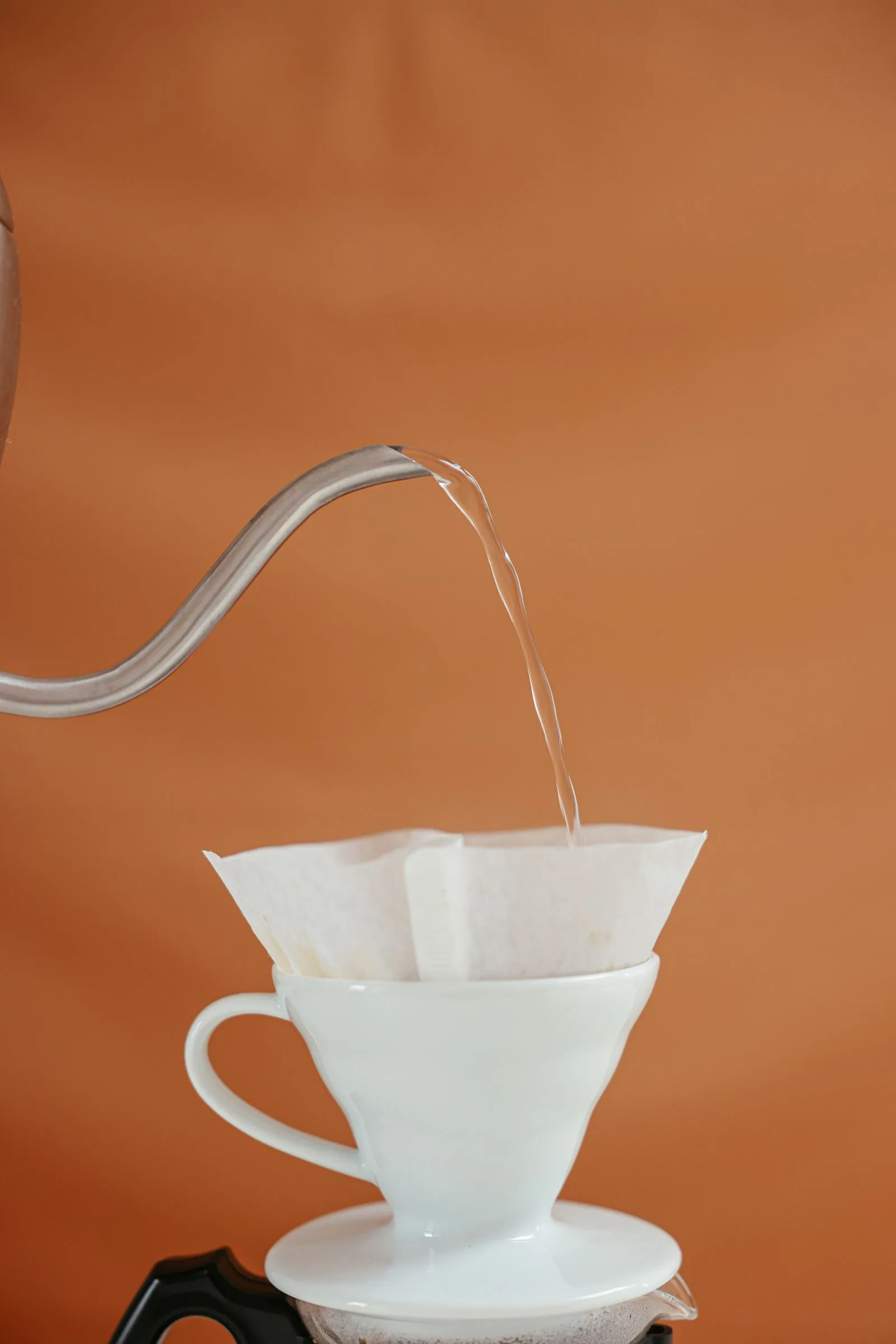
Paper filters are cheap, but they are a recurring purchase. They also bin in seconds: lift out the filter and the grounds together, then rinse the brewer.
Metal filters are reusable, which Complete Home Barista describes as no ongoing cost, but they need regular cleaning because oils can go rancid. Ben Jones, quoted by Perfect Daily Grind, recommends treating the filter similarly to a screen in an espresso machine. He rinses it with hot water after each brew and soaks it about once a week in water with a small amount of espresso machine cleaning powder to remove oil and sediment buildup.
A practical rule: if you will not rinse a metal filter straight after the brew, buy paper. A forgotten, oily mesh in the back of a cupboard will cost you more flavor than any filter choice gains.
Does the grind need to change?
With metal, usually yes, a little. Because fines pass through, a finer grind that works under paper can taste gritty. Our grind size chart shows the overall scale, and the AeroPress guidance in our AeroPress ratio and grind guide gives a starting point. Perfect Daily Grind quotes Ben Jones on brew time too: coarser grinds suit roughly two and a half to three minutes to bring out sweetness, while shorter brews with finer grinds accentuate fruity and cacao notes. Those are one champion’s preferences for AeroPress, not universal settings.
A worked example: the side-by-side test
This is a suggested protocol, not a published method. The goal is to change only the filter.
- Pick one coffee you know well. Weigh 15 g of beans and grind them once, to a medium setting, then split the grounds into two equal piles of 7.5 g.
- Brew each pile with 125 g of water at the same temperature, using the same brewer, the same pour method and the same total time. That is a ratio of about 1 to 16.7; adjust if you have a ratio you prefer, but keep it identical for both. If you want a ratio reference, see the pour over ratio and grind size guide.
- Brew one with a rinsed paper filter and one with a clean metal filter.
- Let both cool to a drinkable temperature, then taste them back to back, ideally with someone else pouring so you do not know which is which.
- Note body, clarity, any grittiness and finish. Score each from 1 to 5 if that helps.
What you will probably find, if the sources above are right: the paper cup is clearer and lighter, and the metal cup is heavier with a little sediment at the bottom. Whether you prefer one is a matter of taste, and now you have your own data.
If the metal cup tastes gritty, grind a step coarser and repeat. If you are using a metal filter and fancy a paper-like clean cup, pour slowly and leave the last of the brew in the vessel, where most of the sediment collects.
Choosing a filter if you are buying
If you are shopping, a reusable stainless disc for your AeroPress or a mesh cone for your dripper is easy to find, for example a reusable metal coffee filter on Amazon. Check that it fits your exact brewer, because sizes vary.
Which should you choose?
| If you want | Lean toward |
|---|---|
| The cleanest, brightest cup | Paper |
| A fuller, rounder body | Metal |
| To keep cafestol low | Paper |
| Minimal ongoing cost | Metal |
| Fastest cleanup | Paper |
| Light or medium roasts | Paper (per Complete Home Barista) |
| Medium or dark roasts | Metal (per Complete Home Barista) |
You do not have to pick one forever. Plenty of people use paper on weekdays and metal on a weekend when they want something heavier.
Common mistakes
- Using the same grind for both filters and blaming the filter when the metal cup is gritty.
- Skipping the paper rinse. Many brewers rinse paper with hot water and discard it, which is common practice to avoid any papery taste.
- Not cleaning a metal filter often enough, so oils turn rancid and flatten the flavor.
- Assuming “no paper” means “no health difference.” The Swedish data show the filtering step is where cafestol is stopped.
- Treating one source’s roast recommendation as a rule. Those pairings are tasting advice, so test them with your own beans.
Common questions
Do paper filters remove caffeine? We did not find a source in this research that measured it, so we cannot give a figure. The sources here describe paper holding back oils and fines, not caffeine.
Is a paper filter healthier than a metal one? For cafestol, yes in terms of the brews measured. Paper-filtered home coffees had a median of 12 mg/L of cafestol in the 2025 Swedish study, against a median of 176 mg/L for workplace brewing machines. The study did not test metal discs in isolation.
Does paper make coffee taste papery? Some brewers find it can if they skip the rinse. Pouring hot water through the filter and discarding it before you add coffee is a common habit.
Which is better for AeroPress? It depends on what you want. Perfect Daily Grind describes paper as giving a cleaner cup with less body and metal as fuller bodied (AeroPress says much the same). The only named taster in that article, Valerian Hrala, was pleasantly surprised by the metal filter, so try both if you can.
Does a metal filter need a different grind? Often a slightly coarser one, since metal can taste gritty with fine grinds according to Complete Home Barista.
Can I reuse a paper filter? We did not verify any source on this, so we would not rely on it. Fresh paper is the safe choice for flavor.
What about the oily film on top of metal-filtered coffee? That is the oils the paper would have caught. It is part of why the cup feels heavier.
For more sourced brewing guides, subscribe to The Sunday Pour.
Sources & data
- Orrje E, Fristedt R, Rosqvist F, Landberg R, Iggman D: Cafestol and kahweol concentrations in workplace machine coffee compared with conventional brewing methods (Nutrition, Metabolism and Cardiovascular Diseases, 2025; Chalmers research record)
- ZME Science: New study shows why you should switch to filtered coffee
- Perfect Daily Grind: How do paper and metal AeroPress filters compare?
- Complete Home Barista: AeroPress paper vs metal filter